


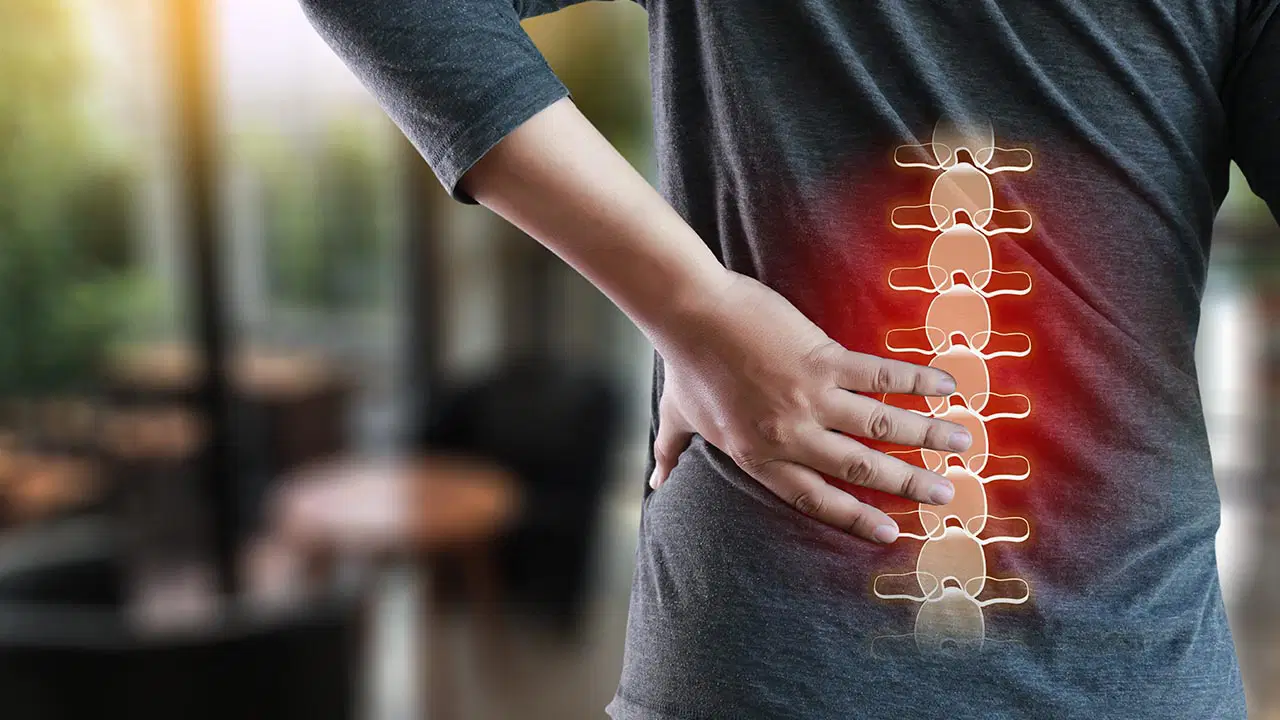
Expert warns desk workers on back pain prevention
Translated from Turkish, summarized and contextualized by DistantNews.
At a glance
News
Named sources
Context piece
- Experts warn that while back pain cannot be entirely prevented, daily habits can significantly reduce the risk of herniated discs.
- Sedentary workers should stand and walk for a few minutes every 30-45 minutes and ensure ergonomic workstation setups.
- Not all back pain indicates a herniated disc; however, severe symptoms like progressive leg weakness or loss of bladder control require immediate medical attention.
While a herniated disc cannot be entirely prevented, adopting specific daily habits can significantly lower the risk, according to a neurosurgery specialist. Dr. Eyüp Genç emphasizes that regular exercise, maintaining a healthy weight, and practicing correct posture are crucial for back health.
Genç highlights that prolonged inactivity, sudden uncontrolled movements, and lifting heavy objects by bending at the waist increase the likelihood of developing a herniated disc. He specifically advises individuals who spend long hours at desks or driving to stand up and walk for a few minutes every 30 to 45 minutes. Ensuring ergonomic setups for desks, chairs, and computer screens also contributes to protecting spinal health.
For drivers, taking regular breaks and adjusting seat positions to support the lower back is recommended. When lifting heavy items, the advice is to bend at the knees and keep the load close to the body. Genç also cautions that not all back pain is a herniated disc, as muscle strains, arthritis, and poor posture can also cause discomfort.
Symptoms that may indicate a herniated disc include pain radiating from the back to the hip, leg, and foot, accompanied by numbness or muscle weakness. More severe signs, such as progressive leg weakness, difficulty walking, or loss of bladder or bowel control, necessitate urgent medical evaluation. The specialist also noted that many herniated disc cases can be successfully treated with non-surgical methods like medication, rest, and physical therapy, with surgery reserved for cases with significant muscle weakness or uncontrollable pain.
DistantNews Editorial
Originally published by Cumhuriyet in Turkish. Translated, summarized, and contextualized by our editorial team with added local perspective. Read our editorial standards.
More Stories

From Our Blog

What Gets Lost (and Found) When News Is Translated

The Critical Role of Diaspora Media in Global News

What Travellers Should Know About Countries with Restricted Press

A Digital Nomad's Guide to Following Local News

How the Same Story Looks Different in Different Countries
