

Extreme Heat: How to Properly Store Medications
Translated from German, summarized and contextualized by DistantNews.
At a glance
News
Sources not specified
Context piece
- Many medications require specific storage temperatures, typically below 25 degrees Celsius.
- High temperatures, common during heatwaves, can compromise drug efficacy and shelf life.
- Proper storage is crucial to ensure medication effectiveness, especially during extreme heat.
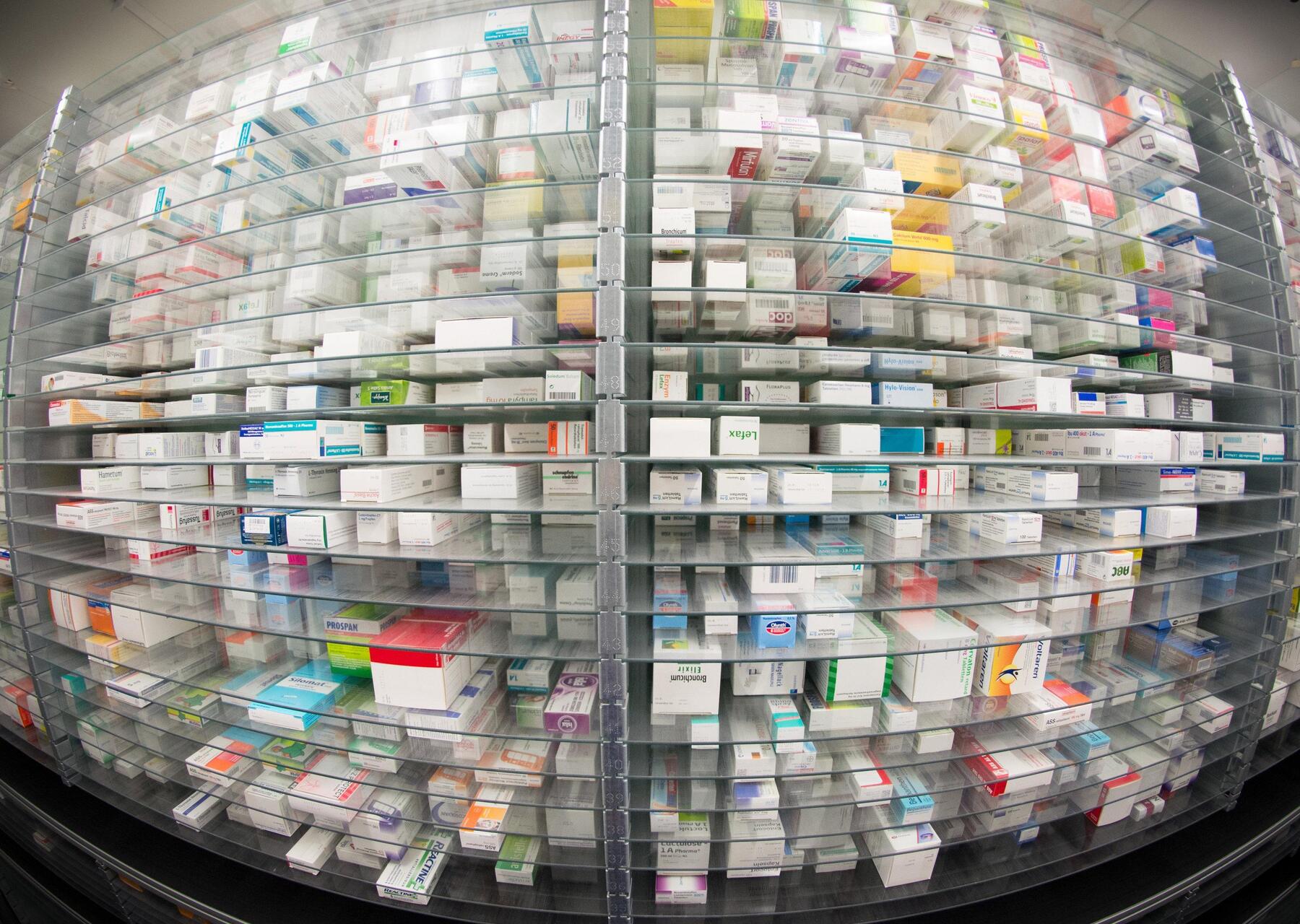
As temperatures soar, concerns are rising about the proper storage of medications. Many drugs are sensitive to heat, with 25 degrees Celsius often cited as a critical threshold for maintaining their efficacy and shelf life. In many homes, however, indoor temperatures are currently exceeding this limit.
This situation poses a significant challenge for individuals relying on medication for their health. Improper storage can lead to a reduction in a drug's potency, rendering it less effective or even useless. In some cases, heat can alter the chemical composition of a drug, potentially leading to unpredictable side effects.
Experts emphasize the importance of adhering to recommended storage conditions, particularly during periods of extreme heat. This may involve using refrigerators for certain medications or finding cooler places within the home to store them. Ensuring that medicines are kept under optimal conditions is vital for patient safety and treatment success.
DistantNews Editorial
Originally published by Die Presse in German. Translated, summarized, and contextualized by our editorial team with added local perspective. Read our editorial standards.
More Stories



From Our Blog

What Gets Lost (and Found) When News Is Translated

The Critical Role of Diaspora Media in Global News

What Travellers Should Know About Countries with Restricted Press

A Digital Nomad's Guide to Following Local News

How the Same Story Looks Different in Different Countries
