


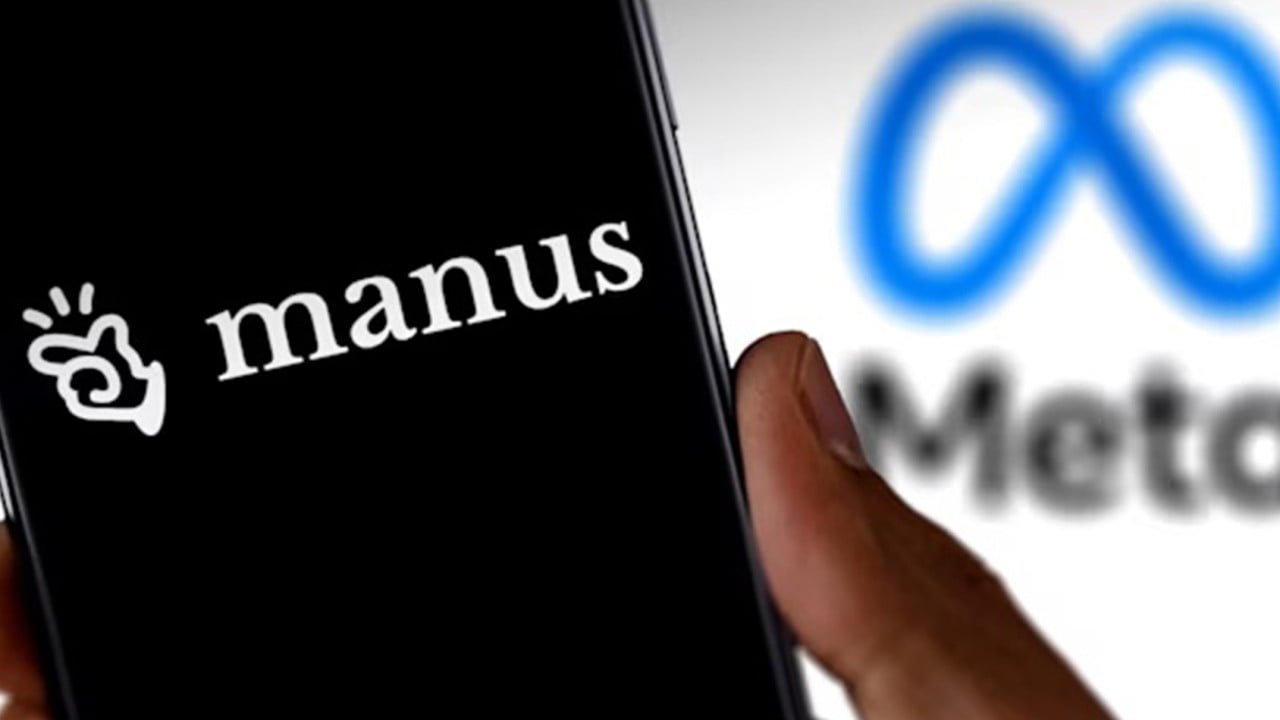
Facebook parent Meta to unwind US$2 billion Manus AI deal after Beijing block
Summarized and contextualized by DistantNews.
At a glance
News
Named sources
Outcome reported
- Meta Platforms is set to unwind its US$2 billion acquisition of AI platform Manus after China blocked the deal on national security grounds.
- Manus will delete data from certain users generated after Meta's acquisition date as part of its return to independent operations.
- The deal's unwinding highlights a growing trend of decoupling between the US and China in the critical field of artificial intelligence.
Meta Platforms, the parent company of Facebook, is preparing to fully unwind its acquisition of the Chinese-founded artificial intelligence platform Manus. The deal, valued at $2 billion, was blocked by Beijing over national security concerns more than three months ago. This move marks another significant instance of decoupling between the United States and China in the crucial area of artificial intelligence. Manus informed its users via a note that data generated by certain users on or after December 29, the date of Meta's acquisition, will be deleted. This action is part of the company's transition back to operating independently. Affected users have been instructed to back up their data before August 23. Users not impacted by the data deletion can continue using the service without interruption. The note stated that the data deletion is necessary to comply with regulatory requirements in specific global regions, though these requirements were not explicitly detailed. Manus, launched in March 2025, functions as an AI agent platform capable of autonomously performing tasks for users, such as browsing the internet and generating reports. The startup behind the platform, Butterfly Effect, was founded in 2022 with offices in Beijing and Wuhan. Last summer, the company rebranded as Manus, a Singapore-based entity, which involved laying off China-based staff and removing its Chinese online presence.
to comply with regulatory requirements in specific parts of the world
DistantNews Editorial
Originally published by South China Morning Post. Summarized and contextualized by our editorial team with added local perspective. Read our editorial standards.
More Stories


From Our Blog

Countries Without a Free Press: What You Need to Know

What Press Freedom Means for the News You Read

What Gets Lost (and Found) When News Is Translated

The Critical Role of Diaspora Media in Global News

What Travellers Should Know About Countries with Restricted Press
