


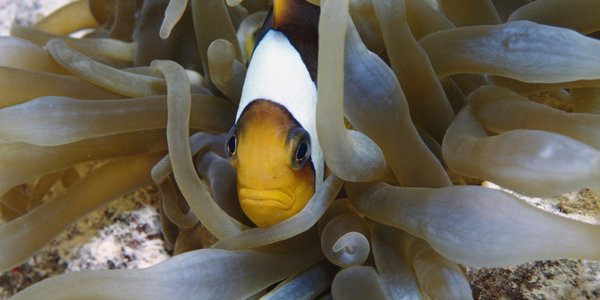
"Fast food" for fish has taken over the oceans. It is becoming more common – and harmful.
Translated from Polish, summarized and contextualized by DistantNews.
TLDR
- Researchers from MIT predict that ocean warming due to climate change will significantly reduce the nutritional value of phytoplankton, particularly its protein content.
- This shift, which could see protein decrease by 20-30% in polar regions by the end of the century, is likened to "fast food" for marine life.
- The decline in phytoplankton quality may negatively impact marine food webs, ultimately affecting human populations that rely on seafood.
Rzeczpospolita highlights a concerning scientific finding published in "Nature Climate Change" by MIT researchers, revealing a potential "fast food" future for marine ecosystems. As ocean waters warm, the fundamental building blocks of marine life – phytoplankton – are predicted to lose their nutritional density, especially their vital protein content.
the "fast food" of the future
This transformation, where carbohydrates increasingly replace proteins, paints a grim picture for the ocean's food web. The study suggests that by the end of this century, phytoplankton in some regions could see a 20-30% reduction in protein. This isn't just an abstract scientific prediction; it has tangible implications for the countless species that depend on these microscopic organisms, and by extension, for human populations worldwide that rely on healthy fisheries.
the composition of phytoplankton will change, with carbohydrates replacing proteins
While international coverage might focus on the broad strokes of climate change impacts, Rzeczpospolita emphasizes the specific, localized consequences. For Poland, a nation with significant maritime interests and a deep connection to the Baltic Sea, understanding these shifts in marine nutrition is crucial. It underscores the interconnectedness of global climate patterns and local food security, reminding us that changes in distant oceans can have profound effects closer to home. The "fast food" analogy serves as a stark warning: a diet lacking essential nutrients can only lead to a weaker, more vulnerable ecosystem.
the negative effects of dietary changes could affect predators that feed on krill or small fish, and ultimately humans
DistantNews Editorial
Originally published by Rzeczpospolita in Polish. Translated, summarized, and contextualized by our editorial team with added local perspective. Read our editorial standards.
More Stories


From Our Blog

What Gets Lost (and Found) When News Is Translated

The Critical Role of Diaspora Media in Global News

What Travellers Should Know About Countries with Restricted Press

A Digital Nomad's Guide to Following Local News

How the Same Story Looks Different in Different Countries
