

Fault Maps and Earthquakes: Professor Bektaş Clarifies Misconceptions
Translated from Turkish, summarized and contextualized by DistantNews.
At a glance
News
Sources not specified
Context piece
- A geology professor clarified that active fault maps are not direct earthquake maps, warning that the absence of a fault on a map does not guarantee safety.
- He explained that hidden, unmapped, or undersea faults can exist, and active faults can move without causing large earthquakes.
- The professor cited the 1968 Bartın earthquake as an example of a fault's destructive potential, even if not previously mapped as a major threat.
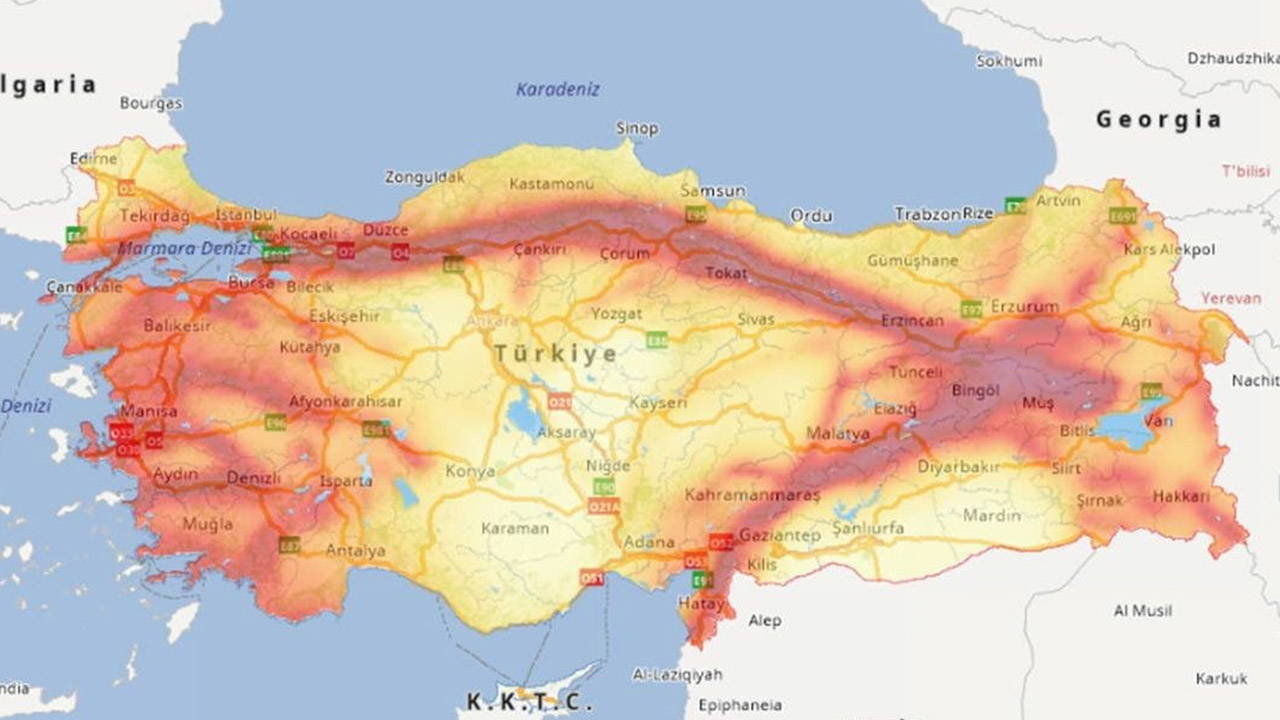
Professor Dr. Osman Bektaş, a geologist, has cautioned the public against misinterpreting active fault maps, emphasizing they are not direct earthquake prediction tools. He explained that a fault's absence on a map does not mean a region is safe from seismic activity, as some faults may be hidden, unmapped, or located underwater.
One cannot say there will be no earthquake just because there is no fault on the map.
Bektaş elaborated on the mechanics of fault movement, noting that active faults exhibiting slow creep can shift without generating major earthquakes. These movements can cause minor tremors, sometimes smaller than magnitude 4.5. He also clarified that a fault does not need to have produced a magnitude 5.5 or larger earthquake to be classified as active.
It is not possible to say that there will be no earthquake because there is no fault on the map.
To illustrate his point, Bektaş referenced the 1968 Bartın earthquake. This destructive event, with a magnitude of 6.6, occurred along the Black Sea Fault, which runs along the coast and poses a potential risk to settlements. His explanation underscores the importance of maintaining seismic awareness, even in areas where fault lines are not explicitly detailed on current maps.
The Black Sea Fault, which extends along the Black Sea coast and has the potential to affect coastal settlements.
DistantNews Editorial
Originally published by Cumhuriyet in Turkish. Translated, summarized, and contextualized by our editorial team with added local perspective. Read our editorial standards.
More Stories


From Our Blog

What Gets Lost (and Found) When News Is Translated

The Critical Role of Diaspora Media in Global News

What Travellers Should Know About Countries with Restricted Press

A Digital Nomad's Guide to Following Local News

How the Same Story Looks Different in Different Countries
