

FEICOM launches second call for projects to help municipalities combat climate change
Translated from French and summarized by DistantNews. Read the original for the full story.
At a glance
News
Sources not specified
New plan
- FEICOM's Climate Window is launching its second call for projects to enhance the climate resilience of local territories.
- The initiative aims to support projects in four priority areas: forests and biodiversity, energy mix, waste management, and water-infrastructure.
- Municipalities, groups of municipalities, and urban communities facing risks like floods, landslides, and droughts are eligible to apply, with an emphasis on inter-municipal cooperation.
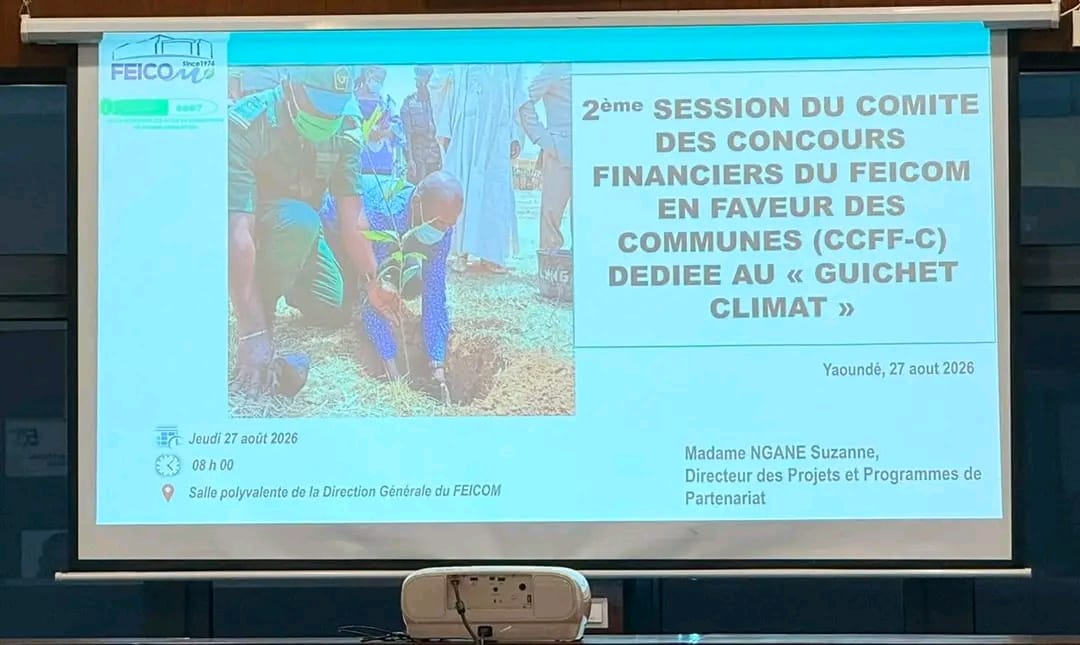
Cameroon's Special Fund for Equipment and Inter-municipal Intervention (FEICOM) is intensifying its climate action with the launch of its second call for projects through its Climate Window initiative.
This program aims to bolster the climate resilience of local territories by financing adaptation and ecosystem protection infrastructure. Following the success of its first call, which supported 56 projects for Decentralized Territorial Collectivities (CTDs), the new initiative seeks to build on that momentum. The focus is on four key sectors: preserving forests and biodiversity, promoting a diverse energy mix, improving waste management and valorization, and strengthening water and sanitation infrastructure.
The call is open to municipalities, inter-municipal groupings, and urban communities that are particularly vulnerable to climate-related challenges such as floods, landslides, and droughts. FEICOM is encouraging innovation, particularly through inter-municipal or inter-regional projects, allowing entities facing similar risks to pool their resources for a more cohesive territorial response to climate change.
This renewed push by FEICOM underscores a growing commitment to addressing the impacts of climate change at the local level in Cameroon. By providing financial and technical support, the Climate Window aims to empower communities to develop and implement sustainable solutions, thereby safeguarding their environments and improving the quality of life for their residents.
About this summary
Originally published by Journal du Cameroun in French. Translated, summarized, and contextualized automatically by DistantNews, with a note on how the source frames the story. Not individually reviewed before publishing. How this works.
More Stories
From Our Blog

What Gets Lost (and Found) When News Is Translated

The Critical Role of Diaspora Media in Global News

What Travellers Should Know About Countries with Restricted Press

A Digital Nomad's Guide to Following Local News

How the Same Story Looks Different in Different Countries
