


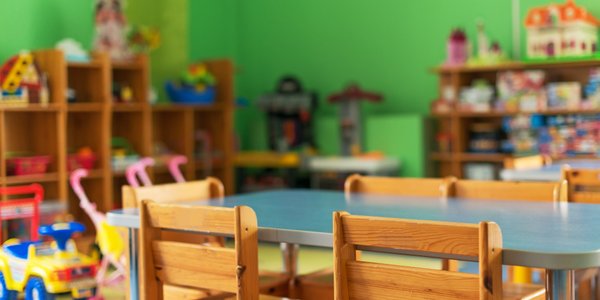
Fewer children in preschools: Municipalities seek new solutions
Translated from Polish, summarized and contextualized by DistantNews.
At a glance
News
Sources not specified
Context piece
- Polish municipalities are adapting to a declining birth rate by creating school-kindergarten complexes to avoid closing preschools.
- Despite available spots, many cities are reducing class sizes or converting them into specialized units rather than shutting down facilities.
- The demographic decline is expected to worsen, leading to fewer children in preschools in the coming years.
Polish municipalities are grappling with a declining birth rate, which is leading to fewer children enrolling in preschools and a surplus of available spots. In response, many local governments are implementing strategies to avoid mass closures of educational facilities. Lublin, for instance, is focusing on creating school-kindergarten complexes, a model designed to safeguard jobs for both pedagogical and non-pedagogical staff.
We are not planning to close independent kindergartens in the city. Our concept involves creating school-kindergarten complexes, which increases the chances of maintaining jobs for pedagogical and non-pedagogical staff employed in schools and kindergartens.
While recruitment for the upcoming school year is largely complete, several cities report hundreds, and in some cases thousands, of vacant preschool places. Warsaw has seen a significant drop in three-year-olds entering preschool, with an anticipated decrease of over 4,000 children in municipal preschools and kindergarten classes by September. This trend is projected to continue, exacerbating the challenge of maintaining existing facilities.
Kindergartens are non-holiday units, so recruitment takes place throughout the year. After the electronic recruitment ends, you can inform the director of the chosen kindergarten about your willingness to participate in further recruitment, in accordance with educational law.
However, most municipalities are hesitant to close entire preschools. Instead, they are exploring alternative solutions. In Katowice, some classes have been converted into integrated or special education units to cater to children with special needs. Other cities are allowing for reduced class sizes to accommodate parental preferences. While some cities are considering phasing out certain facilities, the primary approach involves restructuring and adapting existing resources to meet the evolving demographic landscape.
From September, there will be over 4,000 fewer children in municipal kindergartens and preschool departments in primary schools than there are now. This trend will continue to deepen.
DistantNews Editorial
Originally published by Rzeczpospolita in Polish. Translated, summarized, and contextualized by our editorial team with added local perspective. Read our editorial standards.
More Stories

From Our Blog

What Gets Lost (and Found) When News Is Translated

The Critical Role of Diaspora Media in Global News

What Travellers Should Know About Countries with Restricted Press

A Digital Nomad's Guide to Following Local News

How the Same Story Looks Different in Different Countries
