

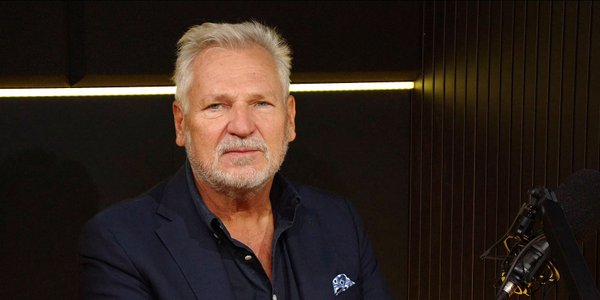
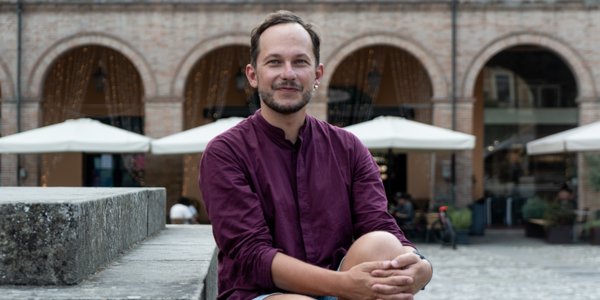
Tomasz Kireńczuk: 'The Most Radical Effect of Pressure Is the Loss of Breath'
Translated from Polish, summarized and contextualized by DistantNews.
At a glance
Interview
Sources not specified
Context piece
- Tomasz Kireńczuk discusses the expansion of performance art, linking it to "radical presence" and physicality.
- He highlights "deep pressures" as the festival's theme, exploring individual and group responses to political, social, and economic stress.
- Kireńczuk addresses his departure from Poland's "Dialog" festival, framing it as a personal choice for development rather than forced emigration due to political pressures.
Tomasz Kireńczuk, discussing the phenomenon of performance art, describes it as rooted in presence, physicality, and intensity, which he terms "radical presence." He believes that even the most progressive performance practices are accessible, offering a sense of closeness and inclusivity to diverse audiences.
Performativity is based on presence, which in turn arises from and connects with corporeality, physicality, intensity – something I call radical presence.
The current theme of the festival, "deep pressures," reflects the pervasive stress individuals and societies face. Kireńczuk explained that the festival examines not only external pressures, political, social, and economic, but also the individual and group responses to them. He is interested in when dissent arises and how practices of care can be integrated amidst pressure, noting that the ultimate effect of extreme pressure is the loss of breath, making breathing practices a significant element in performance art.
the ultimate and most radical effect of pressure is the loss of breath.
Kireńczuk also addressed his move from Poland's "Dialog" festival, clarifying that it was a deliberate choice for professional development rather than an escape from political persecution. While acknowledging the negative impact of Minister Piotr Gliński's cultural policies and the local authorities' handling of the arts, he stated he was not forced to leave. His experience with political and institutional pressure during his time at "Dialog" likely influenced his subsequent appointment as artistic director of the Santarcangelo Festival, a position he secured after a competitive international selection process.
I made a choice that was good for me at that moment and allowed me to develop in the area that interested me.
DistantNews Editorial
Originally published by Rzeczpospolita in Polish. Translated, summarized, and contextualized by our editorial team with added local perspective. Read our editorial standards.
More Stories
From Our Blog

What Gets Lost (and Found) When News Is Translated

The Critical Role of Diaspora Media in Global News

What Travellers Should Know About Countries with Restricted Press

A Digital Nomad's Guide to Following Local News

How the Same Story Looks Different in Different Countries
