


FG orders clampdown on marketers hoarding, diverting LPG
Summarized and contextualized by DistantNews.
At a glance
News
Named sources
New plan
- Nigeria's government has ordered a crackdown on marketers hoarding or diverting Liquefied Petroleum Gas (LPG).
- The price surge is attributed to global supply issues, local production shortfalls, and logistical challenges.
- Regulators and security agencies are tasked with investigating hoarding, diversion, and market manipulation.
Nigeria's Federal Government has mandated a strict crackdown on marketers involved in hoarding or diverting Liquefied Petroleum Gas (LPG), commonly known as cooking gas. This directive follows a recent sharp increase in LPG prices across the country.
NMDPRA and other regulators should intensify monitoring, publish market updates, investigate hoarding and diversion, and sanction operators who manipulate the market.
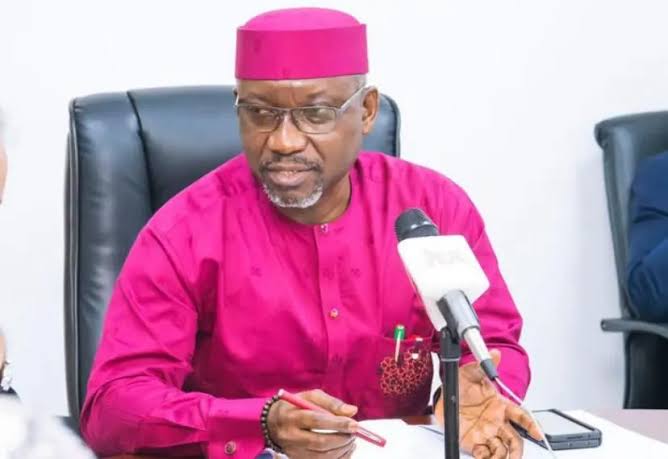
The Minister of State for Petroleum Resources (Gas), Ekperikpe Ekpo, issued the order during an emergency stakeholders' meeting. He instructed the Nigerian Midstream and Downstream Petroleum Regulatory Authority (NMDPRA) and other regulatory bodies to intensify market surveillance. Their mission includes investigating instances of product hoarding and diversion, and imposing sanctions on operators found to be manipulating the market.
Producers and domestic suppliers must prioritise the Nigerian market, provide reliable supply forecasts, and ensure that domestic allocations reach consumers without diversion or delay.
Several factors have been identified as contributing to the current rise in LPG prices. These include disruptions in global supply chains, price volatility linked to international conflicts like the Israel-Iran conflict, and shortfalls in domestic supply. Issues such as incomplete domestication of local LPG production, low import volumes, non-cost-reflective pricing by some wholesalers and retailers, inadequate distribution infrastructure, and logistical challenges also play a significant role.
Depot owners and terminal operators should publish loading schedules, disclose stock and evacuation levels, ensure fair access for marketers and improve truck turnaround time.
Minister Ekpo urged the NMDPRA to collaborate with Nigeria Liquefied Natural Gas Ltd. (NLNG), local LPG plants, and major producers to boost domestic availability. He emphasized the need to improve market coordination and eliminate distribution bottlenecks to stabilize cooking gas prices. Security agencies, including the Department of State Service (DSS), the Economic and Financial Crimes Commission (EFCC), and the Nigerian Police Force (NPF), have been directed to support regulators in preventing diversion, hoarding, illegal storage, and disruptions to legitimate LPG distribution networks. Marketers and importers are encouraged to increase LPG volumes, disclose cargo arrival schedules, price products responsibly, and avoid speculative withholding of supplies. Transporters and logistics operators are expected to enhance truck availability, clear delivery bottlenecks, maintain transparent haulage costs, and ensure prompt product movement nationwide. Retailers and plant operators must display prices openly, avoid arbitrary increases, maintain safe dispensing practices, and report supply disruptions.
Security agencies, the Department of State Service (DSS), the Economic and Financial Crime Commission (EFCC), and the Nigerian Police Force (NPF)should support regulators in preventing diversion, hoarding, illegal storage, and disruption of legitimate supply movement.
DistantNews Editorial
Originally published by Vanguard. Summarized and contextualized by our editorial team with added local perspective. Read our editorial standards.
More Stories


From Our Blog

How the Same Story Looks Different in Different Countries

What Gets Lost (and Found) When News Is Translated

The Critical Role of Diaspora Media in Global News

What Travellers Should Know About Countries with Restricted Press

A Digital Nomad's Guide to Following Local News
