

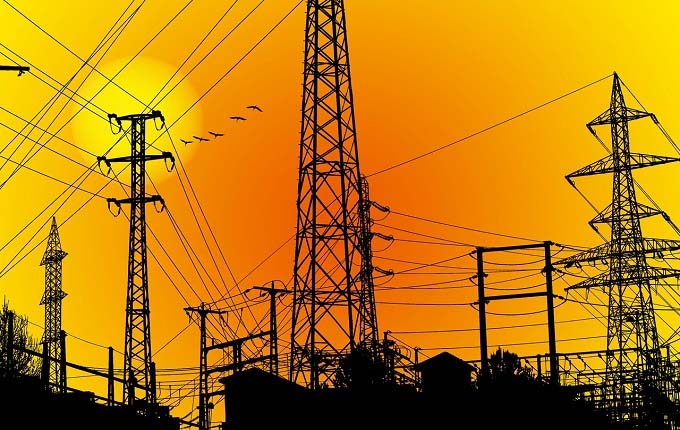

FG unveils initiative to power one million MSMEs with renewable energy
Summarized and contextualized by DistantNews.
At a glance
News
Named sources
New plan
- The Nigerian Federal Government has launched the Tinubu Light Initiative to provide renewable energy to one million MSMEs.
- The program aims to lower production costs, create jobs, and boost industrial growth by offering affordable clean energy solutions.
- It is expected to create over 50,000 direct jobs and aligns with President Tinubu's Renewed Hope Agenda.
The Federal Government has introduced the Tinubu Light Initiative, a nationwide program designed to supply affordable clean energy to one million Micro, Small, and Medium Enterprises (MSMEs). This initiative aims to significantly reduce production costs, stimulate job creation, and accelerate industrial growth across Nigeria.
Unveiled by the National Board for Technology Incubation (NBTI) at the National Showcase of the NextGen Innovation Challenge 2026 in Abuja, the program is projected to generate more than 50,000 direct jobs. Dr. Kazeem Raji, Director-General and Chief Executive Officer of NBTI, highlighted that the initiative will promote the adoption of clean energy, strengthen local manufacturing capabilities, and enhance the global competitiveness of Nigerian businesses.
The Tinubu Light Initiative seeks to change this narrative. Through innovative financing models, strategic partnerships, renewable energy technologies and nationwide implementation, this initiative will provide affordable clean energy solutions to one million Nigerian MSMEs.
Raji explained that the Tinubu Light Initiative was conceived to address the critical challenge of high energy costs faced by Nigerian businesses, often stemming from unreliable electricity supply and a heavy reliance on fossil fuel generators. "The Tinubu Light Initiative seeks to change this narrative," he stated, emphasizing the use of innovative financing, strategic partnerships, and renewable energy technologies to deliver solutions.
This initiative goes beyond electrification. It is an industrial policy. It is an employment strategy. It is a poverty reduction programme. It is a climate action initiative. It is a national productivity agenda. Above all, it is a practical investment in the future prosperity of Nigeria.
He painted a vision of "one million businesses operating with lower production costs," leading to entrepreneurs reinvesting savings, increased productivity, cleaner communities, and stronger local industries. The initiative also aims to foster local assembly and production of renewable energy equipment, reduce carbon emissions, improve financial inclusion through digital platforms, and expand economic opportunities for women and young entrepreneurs.
Raji described the initiative as more than just electrification, calling it an "industrial policy, an employment strategy, a poverty reduction programme, a climate action initiative, and a national productivity agenda." He stressed that it represents a practical investment in Nigeria's future prosperity and aligns with President Bola Tinubu's "Renewed Hope Agenda," which prioritizes innovation, science, technology, and entrepreneurship for sustainable economic development.
The Renewed Hope Agenda is no longer merely a policy framework; it is increasingly becoming a practical roadmap for unlocking Nigeria’s immense economic potential through innovation, entrepreneurship and technology.
DistantNews Editorial
Originally published by The Punch. Summarized and contextualized by our editorial team with added local perspective. Read our editorial standards.
More Stories


From Our Blog

How the Same Story Looks Different in Different Countries

What Gets Lost (and Found) When News Is Translated

The Critical Role of Diaspora Media in Global News

What Travellers Should Know About Countries with Restricted Press

A Digital Nomad's Guide to Following Local News
