


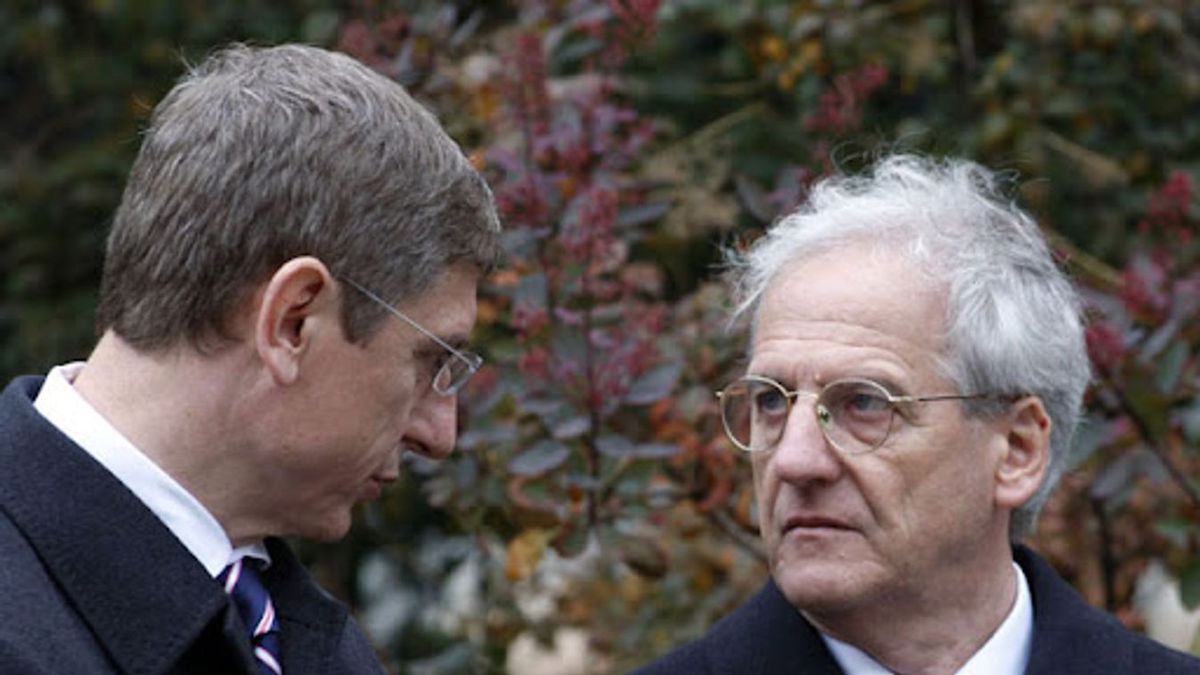
Fidesz's 2009 vote for András Baka explained by political shifts
Translated from Hungarian, summarized and contextualized by DistantNews.
At a glance
Analysis
Sources not specified
Context piece
- The article discusses why the Fidesz party voted to approve András Baka's appointment in 2009, despite initial opposition.
- A shift in political power dynamics, particularly the potential for Ferenc Gyurcsány to become president, influenced Fidesz's decision.
- The context suggests Fidesz's later two-thirds majority allowed them to choose their own president.
The political maneuvering behind András Baka's appointment as president in 2009 reveals a complex shift in the Fidesz party's stance. Initially, it was clear that Fidesz would not support Baka's candidacy. However, by Monday morning of the fifth round of voting, the situation had "radically changed," leading to Fidesz's eventual approval of his nomination.
According to sources cited by the blog, the reason for this sudden reversal was the potential for László Sólyom to resign. Had Sólyom stepped down, the then-ruling center-left majority, led by Prime Minister Gordon Bajnai, could have potentially elected Ferenc Gyurcsány as president. This prospect appears to have been a significant factor in Fidesz's decision to support Baka, thereby preventing Gyurcsány's potential ascent.
The article implies that Fidesz's strategic vote for Baka was a tactical move within the prevailing political landscape of 2009. A year later, Fidesz secured a two-thirds majority in parliament, granting them the power to elect their own preferred candidate for president. This subsequent political dominance seemingly rendered the earlier tactical considerations surrounding Baka's appointment less critical in the long run.
DistantNews Editorial
Originally published by Magyar Nemzet in Hungarian. Translated, summarized, and contextualized by our editorial team with added local perspective. Read our editorial standards.
More Stories


From Our Blog

Countries Without a Free Press: What You Need to Know

What Press Freedom Means for the News You Read

What Gets Lost (and Found) When News Is Translated

The Critical Role of Diaspora Media in Global News

What Travellers Should Know About Countries with Restricted Press
