

FIFA Allows Water Bottles at World Cup Stadiums After Policy Reversal
Translated from Finnish, summarized and contextualized by DistantNews.
At a glance
News
Sources not specified
New plan
- FIFA has reversed its decision regarding the entry of personal water bottles at stadiums for the upcoming World Cup.
- Fans will now be allowed to bring one 560ml plastic disposable bottle into the venues.
- This change follows criticism after a previous ban on personal bottles at the 2022 Qatar World Cup, where bottles were sold at high prices.
FIFA has made a U-turn on its policy concerning personal water bottles at stadiums for the upcoming World Cup, which kicks off on June 11. Initially, the international football governing body had prohibited fans from bringing their own water bottles into venues, citing security concerns. This decision drew significant criticism from experts, particularly given the potential for high temperatures during matches.
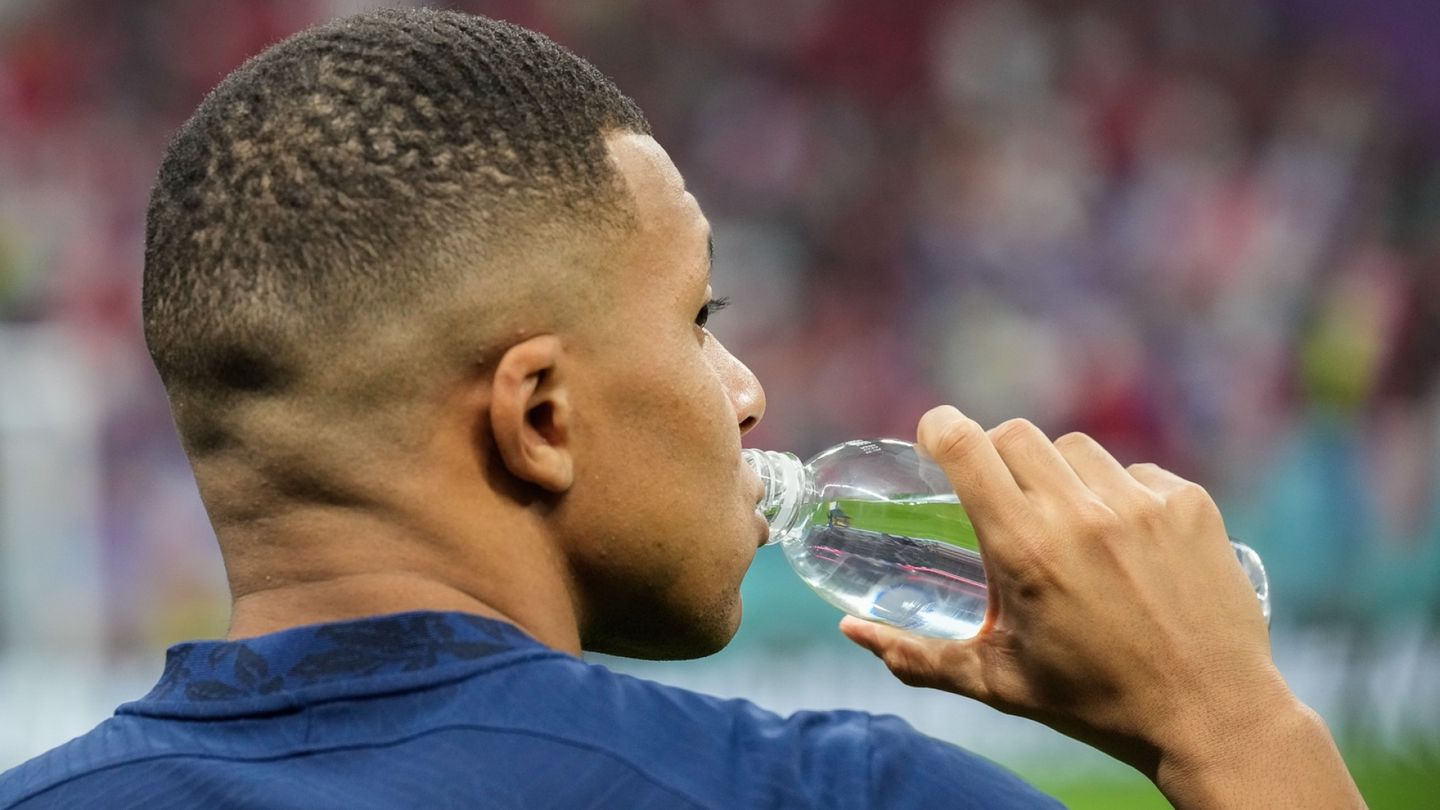
Following the backlash, FIFA has revised its stance. Spectators will now be permitted to bring one single-use plastic bottle, with a capacity of 560 milliliters, into the stadiums. However, reusable hard bottles will continue to be banned. This marks the second policy change regarding water bottles in a short period, as the initial guidelines had allowed for transparent, one-liter bottles.
The initial ban on personal water bottles was also in place during the 2022 World Cup in Qatar. During that tournament, fans were reportedly charged between 3.5 and 5.2 euros for water bottles purchased inside the stadiums, leading to considerable expense for attendees.
The World Cup will be co-hosted by the United States, Canada, and Mexico, with the opening match scheduled between Mexico and South Africa. The shift in policy aims to address fan comfort and accessibility, particularly in potentially hot weather conditions, while still maintaining security protocols.
DistantNews Editorial
Originally published by Helsingin Sanomat in Finnish. Translated, summarized, and contextualized by our editorial team with added local perspective. Read our editorial standards.
More Stories


From Our Blog

What Gets Lost (and Found) When News Is Translated

The Critical Role of Diaspora Media in Global News

What Travellers Should Know About Countries with Restricted Press

A Digital Nomad's Guide to Following Local News

How the Same Story Looks Different in Different Countries
