


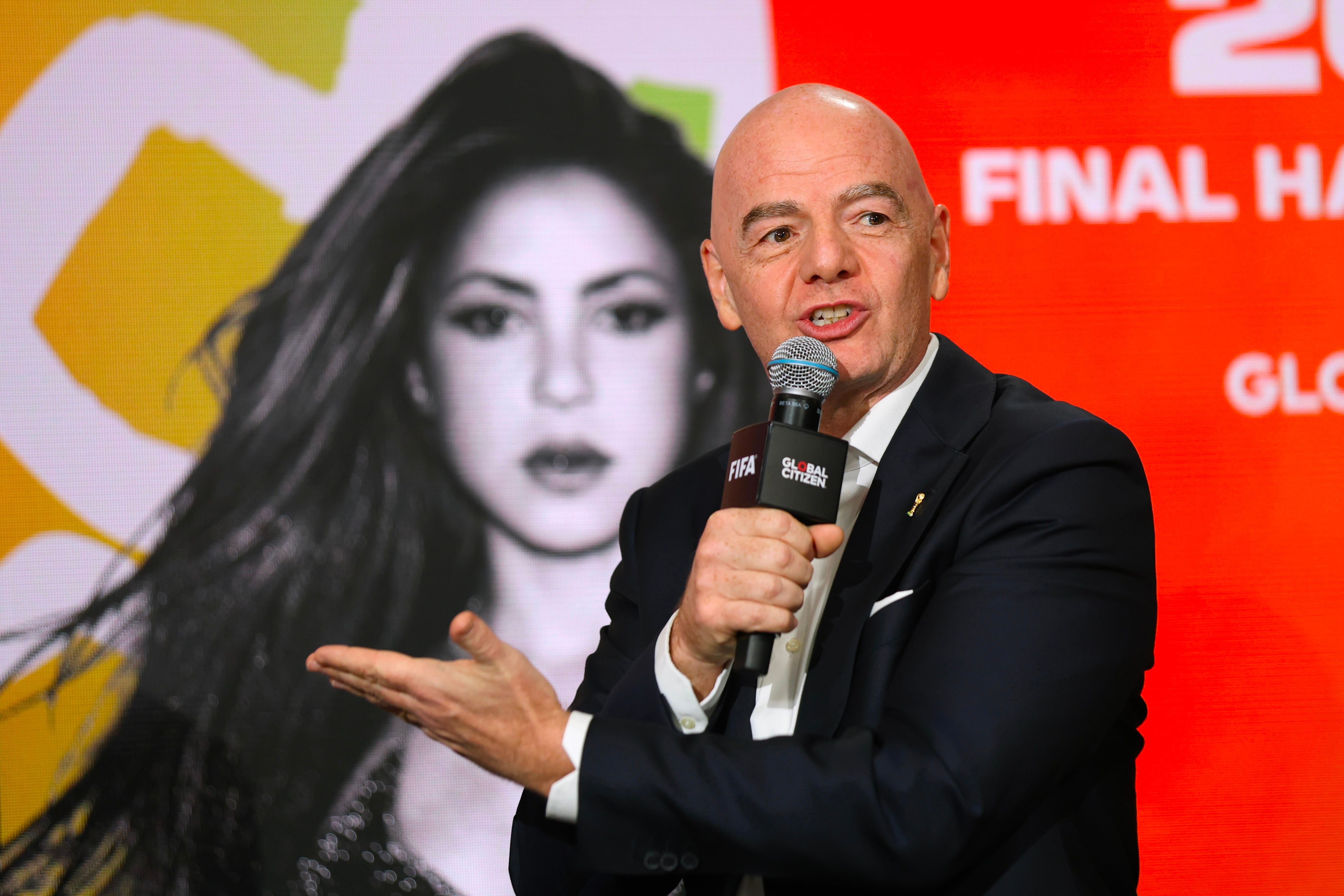
FIFA Partners with Digital Platforms to Engage Younger Audiences
Translated from Spanish, summarized and contextualized by DistantNews.
At a glance
News
Named sources
New plan
- FIFA is partnering with digital platforms like TikTok and YouTube to reach younger audiences.
- This strategy aims to increase viewership and generate supplementary revenue for the 2026 World Cup.
- The move reflects a broader trend of declining traditional TV sports viewership in favor of digital content.
FIFA is forging alliances with digital platforms, including TikTok and YouTube, to capture the attention of younger demographics who increasingly consume sports content online rather than through traditional television channels. This strategic pivot is designed to broaden its audience reach and secure additional revenue streams during the 2026 North American World Cup.
For the upcoming World Cup, commencing June 11 in the United States, Mexico, and Canada, FIFA has established significant partnerships with TikTok and YouTube, designating them as its "preferred platforms." On TikTok, thirty influencers from eleven countries will provide World Cup coverage to their followers, focusing on fan-centric content with behind-the-scenes access and live footage.
This initiative is driven by the well-documented decline in traditional sports viewership, with audiences shifting towards digital platforms. In the United States, streaming services have at times surpassed the combined viewership of broadcast and cable channels. Similarly, in the United Kingdom, the number of viewers aged 18 to 34 has decreased significantly between 2010 and 2024. While young sports fans remain engaged, their viewing habits have evolved, with many preferring short clips and highlights on social media over live, full-event broadcasts.
FIFA views these social media collaborations as complementary to existing broadcasters and rights holders. TikTok's global sports lead, Rollo Goldstaub, stated that the platform aims to attract younger viewers back to full-event broadcasts. YouTube will allow rights holders to offer the first ten minutes of each match for free, while TikTok plans to introduce new advertising revenue streams for broadcasters and sponsors. Despite these digital efforts, traditional television remains the primary financial engine for FIFA, accounting for 45% of its revenue in the 2019-2022 cycle, significantly more than marketing or licensing.
Our application claims to have one billion users worldwide.
DistantNews Editorial
Originally published by La Nación in Spanish. Translated, summarized, and contextualized by our editorial team with added local perspective. Read our editorial standards.
More Stories


From Our Blog

What Gets Lost (and Found) When News Is Translated

The Critical Role of Diaspora Media in Global News

What Travellers Should Know About Countries with Restricted Press

A Digital Nomad's Guide to Following Local News

How the Same Story Looks Different in Different Countries
