


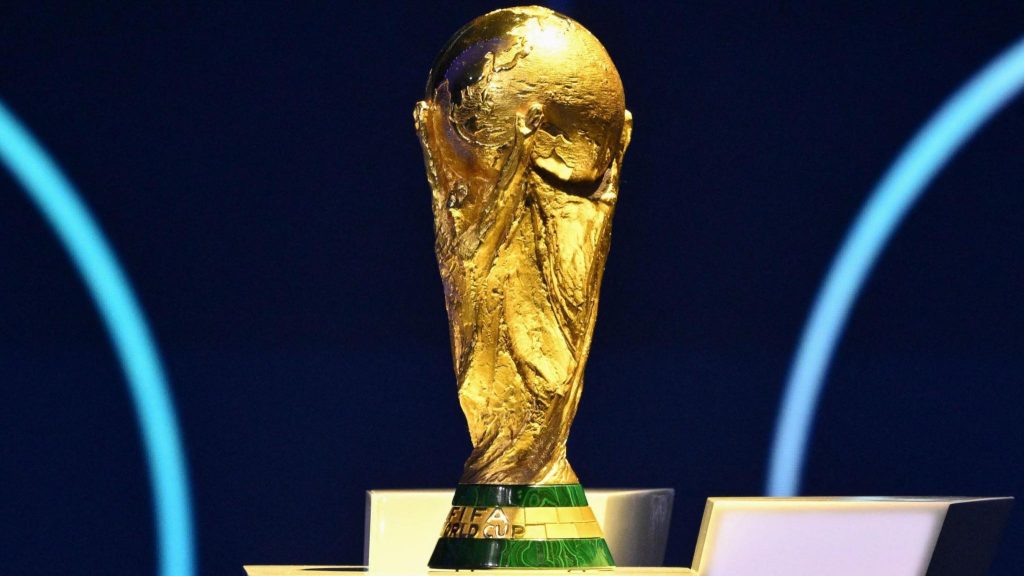
FIFA, UEFA ban 6 countries from facing each other
Summarized and contextualized by DistantNews.
At a glance
News
Sources not specified
New plan
- FIFA and UEFA have banned six countries from playing matches against each other due to political disputes.
- Football's governing bodies aim to prevent fixtures that could become too sensitive because of conflicts.
- This decision highlights how geopolitical tensions can impact international sports.
Football's power to unite nations is being tested as political disputes force FIFA and UEFA to ban six countries from playing each other. The decision reflects a growing trend where international sports fixtures are deemed too sensitive to stage due to ongoing conflicts and geopolitical tensions.
While the specific countries involved were not named, the move by the global and European football governing bodies underscores the complex intersection of sports and politics. These organizations are tasked with maintaining the integrity and neutrality of the game, but are increasingly navigating a landscape where national rivalries and international disputes spill onto the field.
The ban aims to preemptively avoid situations where matches could escalate tensions or become focal points for political expression. It signifies a pragmatic approach by FIFA and UEFA to manage the risks associated with certain international matchups, prioritizing stability over traditional sporting rivalries in these specific cases.
DistantNews Editorial
Originally published by Vanguard. Summarized and contextualized by our editorial team with added local perspective. Read our editorial standards.
More Stories


From Our Blog

How the Same Story Looks Different in Different Countries

What Gets Lost (and Found) When News Is Translated

The Critical Role of Diaspora Media in Global News

What Travellers Should Know About Countries with Restricted Press

A Digital Nomad's Guide to Following Local News
