


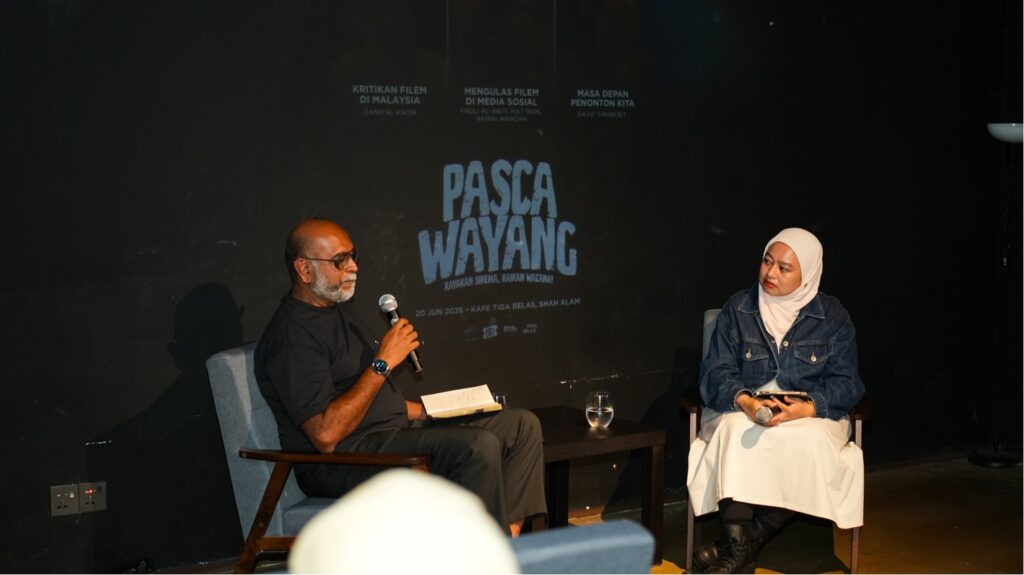
Film criticism in Malaysia: Beyond 'best' or 'not best'
Translated from Malay, summarized and contextualized by DistantNews.
At a glance
Analysis
Named sources
Context piece
- Film criticism in Malaysia has evolved significantly with the digital age, moving beyond traditional media gatekeepers to include widespread audience reviews on social media.
- Critics are now often driven by speed over intellectual depth, with many rushing to publish reviews immediately after a film's release, sometimes even based on short trailers.
- The article discusses how modern film criticism is influenced by algorithms, social experiences, and the trust audiences place in social media influencers over established critics.
- To foster better film criticism, reviewers are urged to reflect on their content and ensure their critiques are constructive rather than merely seeking personal brand building.
Film criticism in Malaysia has entered a new era, marked by the digital revolution. Previously confined to mainstream newspapers subject to editorial filters, criticism now flourishes across social media platforms, empowering anyone to share their views. This shift has led to a rapid-fire environment where speed often trumps intellectual rigor.
Viewers or influencers now compete to be the first to upload reviews. As soon as they leave the cinema, they make a video in front of the movie theater.
Datuk Saniboey Mohd Ismail, a producer and former journalist, observes this phenomenon, which he terms 'speed over intellectuality.' He notes that many viewers and influencers race to be the first to post reviews, sometimes even analyzing 15-second teasers or trailers. Saniboey questions the intellectual value of such rapid-fire critiques, especially when a film takes months to produce, suggesting the primary objective is often to chase views and be first.
Saniboey identifies three key drivers of modern film criticism: algorithms that shape what users see, social experiences where peer opinions heavily influence perception, and personal trust in social media figures over credentialed critics. This dynamic means audiences may form opinions based on what their followers say, regardless of professional reviews.
How can we evaluate an artwork that takes months to complete based on a 15-second clip? Where is the intellectual value in that criticism if the main objective is just to chase views and speed?
To elevate the standard of film criticism in Malaysia, Saniboey calls for reviewers to introspect about the substance of their content. He argues that without genuine depth and constructive intent, criticism risks becoming mere "noise" or a tool for self-promotion rather than a means to genuinely assess and discuss cinematic art. The goal, he implies, should be to build the film's merit, not just the reviewer's personal brand.
Many critics just want to be noise, sometimes not to build the film but only to build the personal brand of the reviewer.
DistantNews Editorial
Originally published by Utusan Malaysia in Malay. Translated, summarized, and contextualized by our editorial team with added local perspective. Read our editorial standards.
More Stories



From Our Blog

What Gets Lost (and Found) When News Is Translated

The Critical Role of Diaspora Media in Global News

What Travellers Should Know About Countries with Restricted Press

A Digital Nomad's Guide to Following Local News

How the Same Story Looks Different in Different Countries
