


Finland raises sports and cultural benefit to 540 euros, expands usage
Translated from Finnish, summarized and contextualized by DistantNews.
At a glance
News
Named sources
Context piece
- Finland is increasing the maximum amount for the tax-exempt sports and cultural benefit to 540 euros from 400 euros.
- The benefit can now be used for a wider range of nature hobbies like fishing and hunting, as well as gym programs and equipment rental.
- This reform aims to better align with changing exercise habits and potentially boost demand for various services in the sports and wellness sector.
Finland is significantly enhancing its employee benefits package by raising the tax-exempt sports and cultural allowance. The maximum amount employees can receive will jump from 400 euros to 540 euros. This increase is accompanied by a notable expansion in what the benefit can cover.
In the future, if you want to buy, for example, a fishing course, you may be able to pay for it with the benefit.
Previously, the interpretation of tax regulations limited the use of this benefit. However, the updated guidelines now permit its application to a broader spectrum of activities. This includes nature-based hobbies such as fishing and hunting, alongside gym programs and the rental of sports equipment. "In the future, if you want to buy, for example, a fishing course, you may be able to pay for it with the benefit," explained Tomi Viitala, lead tax specialist at the Central Chamber of Commerce.
Some people think of strenuous exercise as the only form of physical activity, but there are many types of movement. I consider it consistent that moving in nature is exercise just like any other. It's good that the legislation is keeping pace.
Viitala views this reform as a welcome development that better reflects contemporary lifestyles. "Some people think of strenuous exercise as the only form of physical activity, but there are many types of movement. I consider it consistent that moving in nature is exercise just like any other. It's good that the legislation is keeping pace," he stated. The change is expected to benefit companies in the sports and wellness industry by potentially increasing demand for diverse services and encouraging employees to explore new recreational pursuits.
This is a cat-and-mouse game. Now that these have been achieved, someone might think, why isn't my alpaca safari accepted?
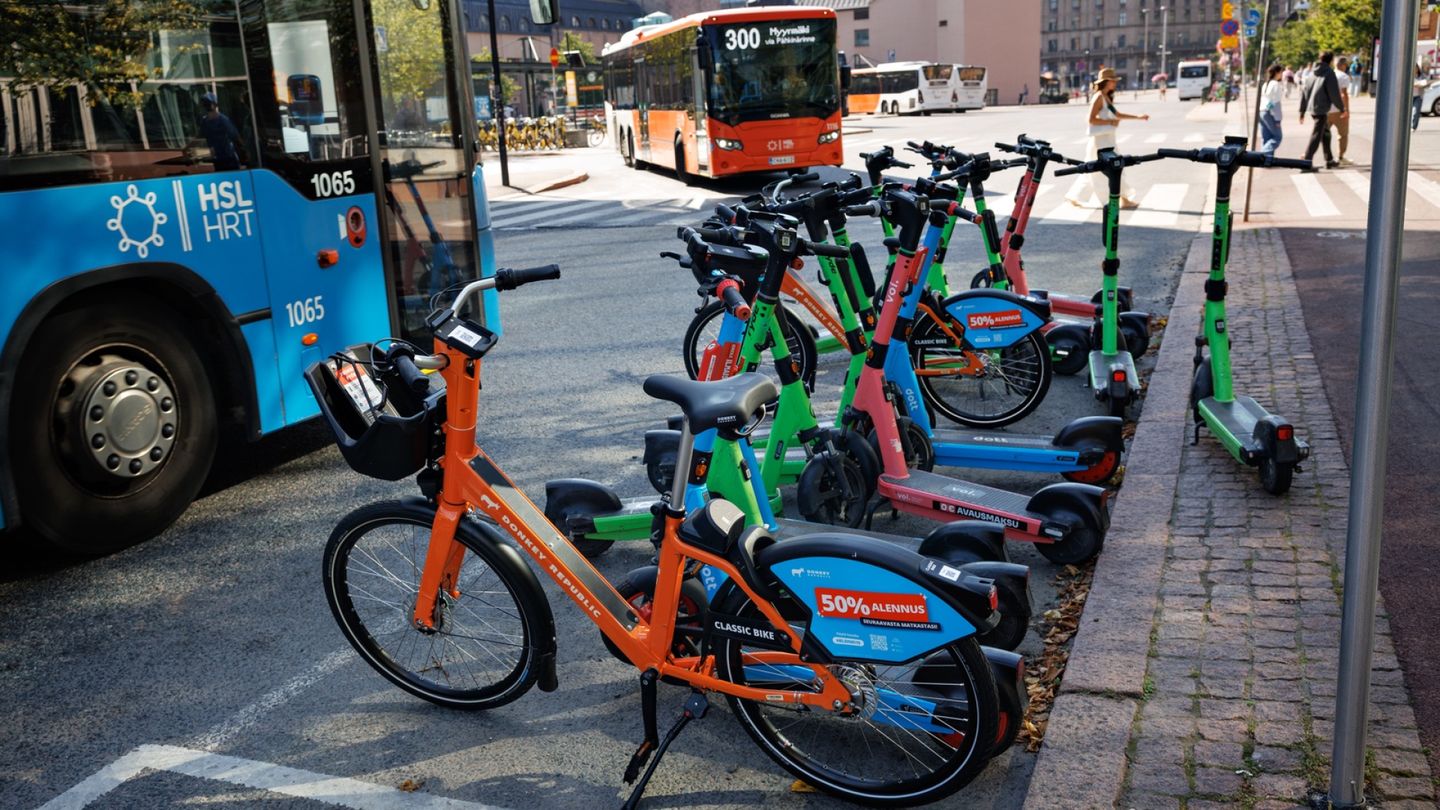
Despite the positive changes, Viitala cautioned that some ambiguities may persist in the tax regulations. "This is a cat-and-mouse game. Now that these have been achieved, someone might think, why isn't my alpaca safari accepted?" he remarked. The benefit primarily targets activities requiring physical exertion to promote fitness, well-being, and health. However, drawing lines between activities like ice swimming and saunas, or differentiating between renting a city bike versus an electric scooter, will likely lead to further interpretation questions. "There will be a lot of interpretation issues, but that's how taxation is!" Viitala added.
There will be a lot of interpretation issues, but that's how taxation is!
DistantNews Editorial
Originally published by Helsingin Sanomat in Finnish. Translated, summarized, and contextualized by our editorial team with added local perspective. Read our editorial standards.
More Stories



From Our Blog

What Gets Lost (and Found) When News Is Translated

The Critical Role of Diaspora Media in Global News

What Travellers Should Know About Countries with Restricted Press

A Digital Nomad's Guide to Following Local News

How the Same Story Looks Different in Different Countries
