

Finland's car scrappage subsidy program sees low uptake amid market slowdown
Translated from Finnish, summarized and contextualized by DistantNews.
At a glance
News
Named sources
Context piece
- Finland's car scrappage subsidy program, launched early this year, has seen lower-than-expected uptake.
- The government allocated 20 million euros, estimating it would support the purchase of 9,100 new cars over two years, but only about 700 subsidies have been granted so far.
- Experts cite a general slowdown in the car market as a likely reason for the low participation, while also noting criticisms regarding the environmental criteria of eligible new cars.
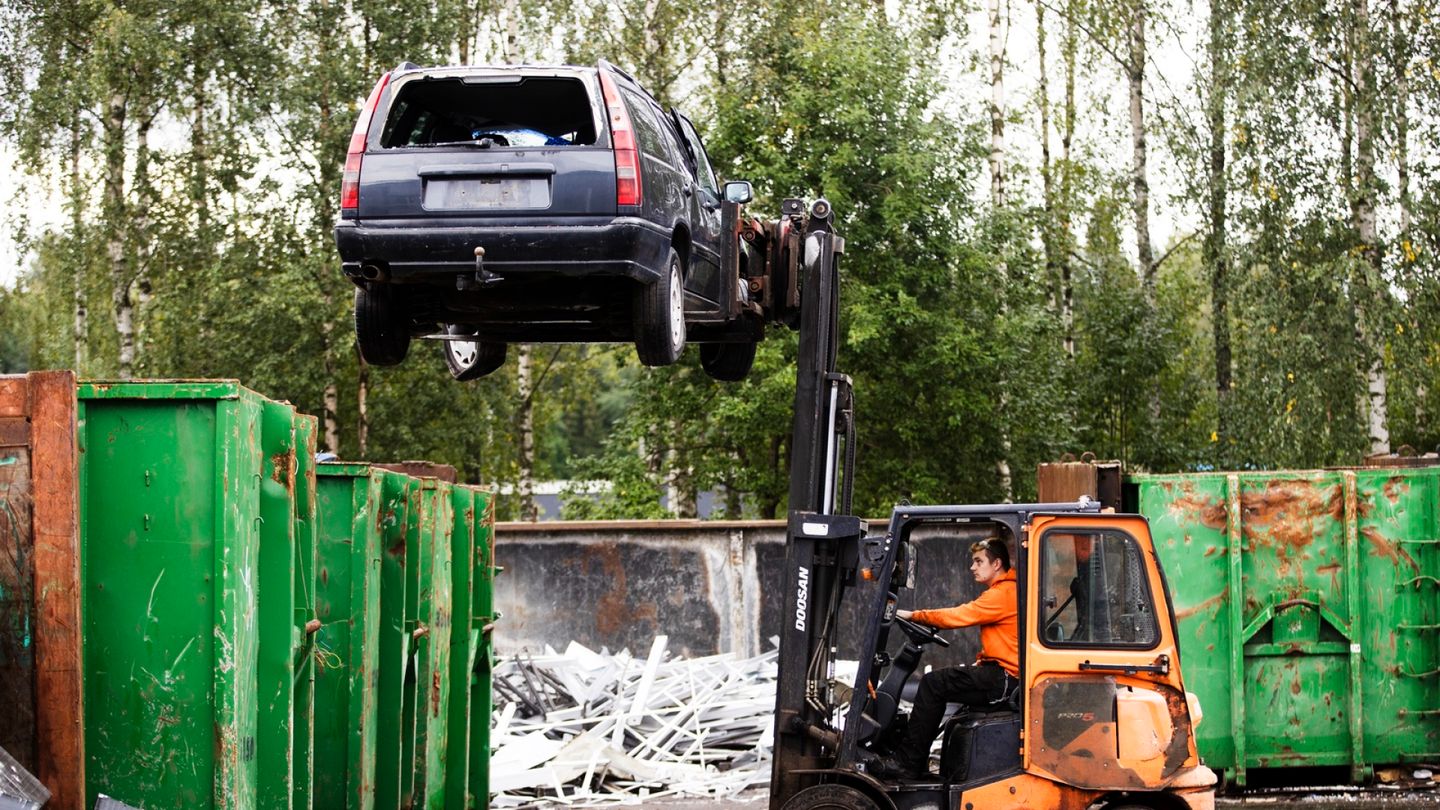
Finland's car scrappage subsidy program, introduced at the beginning of the year, has experienced a significantly slower start than anticipated. The initiative, designed to encourage the purchase of new cars by incentivizing the scrapping of vehicles over ten years old, has seen limited participation.
Antti Mört, a special expert at the Finnish Transport and Communications Agency (Traficom), confirmed the program's sluggishness, stating, "It's been a bit quieter than expected." The government had budgeted 20 million euros for the subsidies, projecting it would fund the purchase of 9,100 new cars over two years. However, only around 700 subsidies have been granted, with the state having disbursed just under 1.6 million euros.
Mört suggests that the overall state of the car market, which has been experiencing a general slowdown, is a probable cause for the low uptake. While the program offers 2,500 euros for the purchase of a zero-emission new car (electric or hydrogen) and 2,000 euros for other new cars with CO2 emissions up to 140 g/km, the broader market conditions appear to be deterring potential applicants.
Critics have pointed out that the environmental criteria for eligible new cars are relatively lenient. Anna Sahari and Marita Laukkanen from the VATT Institute for Economic Research noted that the average emissions of old cars eligible for scrapping are 160 g/km, making the difference with new cars purchased under the 2,000-euro subsidy (max 140 g/km) not substantial. Sahari added that over 90% of new cars already met the emission limit in 2024 without the subsidy. Despite these criticisms, Mört believes the subsidy has had positive environmental effects.
DistantNews Editorial
Originally published by Helsingin Sanomat in Finnish. Translated, summarized, and contextualized by our editorial team with added local perspective. Read our editorial standards.
More Stories



From Our Blog

What Gets Lost (and Found) When News Is Translated

The Critical Role of Diaspora Media in Global News

What Travellers Should Know About Countries with Restricted Press

A Digital Nomad's Guide to Following Local News

How the Same Story Looks Different in Different Countries
