


Finland's Environment Institute Cuts Cyanobacteria Reports Amid Funding Reductions
Translated from Finnish, summarized and contextualized by DistantNews.
At a glance
News
Official statement
Context piece
- The Finnish Environment Institute (Syke) will not issue its traditional weekly cyanobacteria (blue-green algae) reports this summer due to state funding cuts.
- Syke's overall funding will decrease by approximately 17% by 2028, leading to 38 layoffs following recent negotiations.
- Municipalities are responsible for monitoring water quality at public beaches, while Syke warns of a high risk of cyanobacteria blooms in the Baltic Sea and Gulf of Finland.
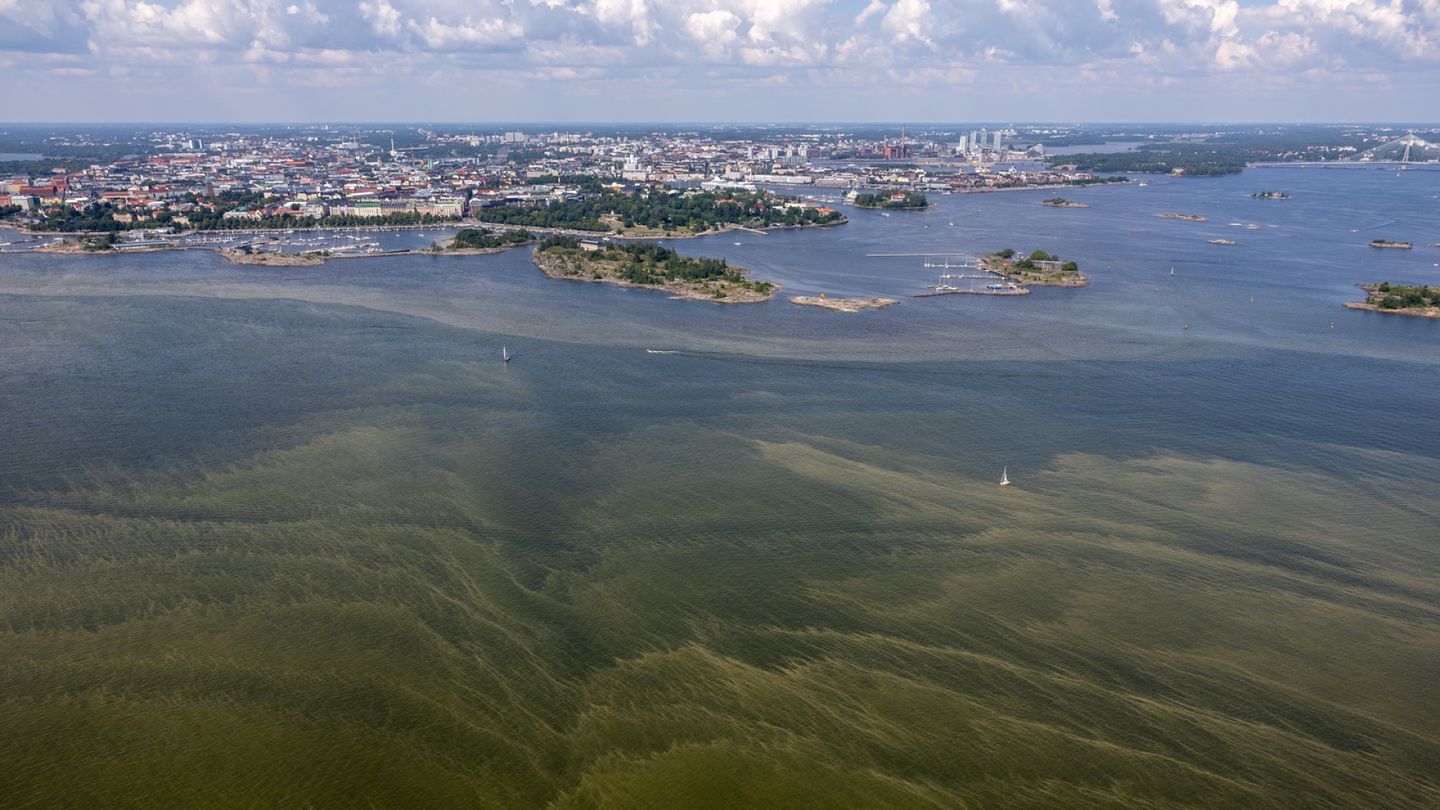
Finland's Environment Institute (Syke) will forgo its customary weekly reports on the general state of cyanobacteria (blue-green algae) this summer. This decision stems directly from state funding cuts impacting the institute.
As part of the government's productivity program, Syke's total funding is projected to decrease by about 17% from its 2025 level of over 81 million euros by the year 2028. These financial reductions have already led to 38 layoffs following joint negotiations that concluded in January.
The responsibility for monitoring water quality and cyanobacteria levels at public swimming beaches now falls to the municipalities. Syke, however, has issued a warning regarding the risk of cyanobacteria blooms. The institute identifies a high risk in the northern parts of the main Baltic Sea basin, south of the Archipelago Sea, and in the central parts of the Bothnian Sea. The risk is considered considerable in the Gulf of Finland.
Some cyanobacteria species are toxic, capable of causing various symptoms in humans and pets, most commonly skin irritation. Swimming in waters contaminated with cyanobacteria is not recommended, nor is using the water for purposes like sauna water or garden irrigation. Cyanobacteria blooms typically appear in July as water temperatures rise, and have become more common and prolonged due to eutrophication and climate change, driven by nutrient runoff from agriculture and forestry.
The risk of cyanobacteria blooms forming is high this summer in the northern parts of the main Baltic Sea basin, south of the Archipelago Sea, and in the central parts of the Bothnian Sea. The risk is considerable in the Gulf of Finland.
DistantNews Editorial
Originally published by Helsingin Sanomat in Finnish. Translated, summarized, and contextualized by our editorial team with added local perspective. Read our editorial standards.
More Stories


From Our Blog

What Gets Lost (and Found) When News Is Translated

The Critical Role of Diaspora Media in Global News

What Travellers Should Know About Countries with Restricted Press

A Digital Nomad's Guide to Following Local News

How the Same Story Looks Different in Different Countries
