

Finland's historians, journalists fear extended secrecy on historical documents
Translated from Finnish, summarized and contextualized by DistantNews.
At a glance
News
Named sources
New plan
- Finnish historians and journalists are concerned about a proposed government bill that would significantly extend the secrecy periods for historical documents.
- The bill suggests extending the secrecy of foreign ministry, presidential office, and intelligence service documents from 25-60 years to 40-60 years, citing a changed security environment.
- Critics argue that longer secrecy periods pose a security risk by hindering research and the creation of historically informed narratives, which are crucial for countering foreign influence.
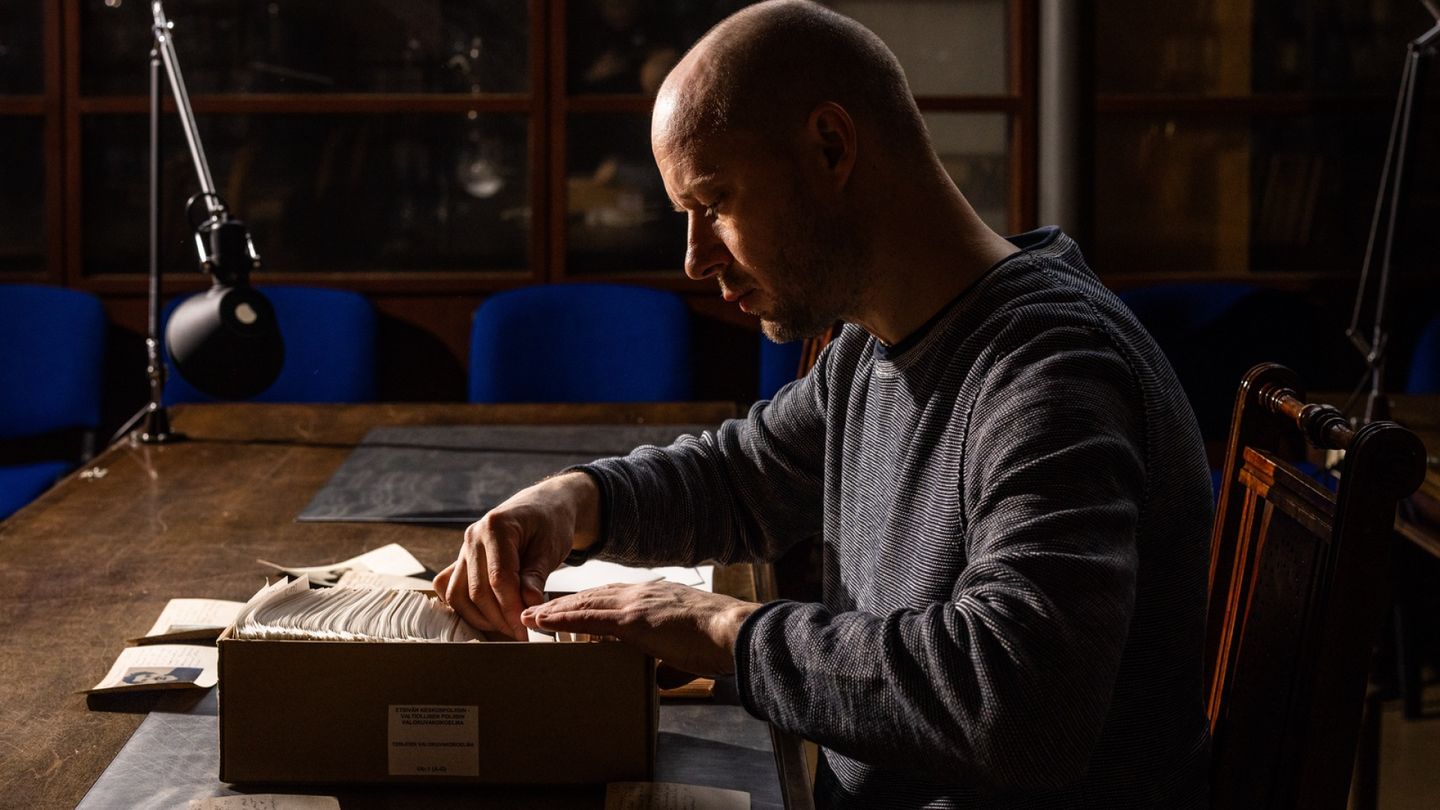
Finnish historians and journalists are raising alarms over a government proposal to extend the secrecy periods for historical documents, potentially keeping crucial foreign and security policy records hidden for up to 15 years longer than current regulations allow.
Extending the secrecy periods itself is a security risk, as it weakens research-based historical knowledge.
The proposed changes to civil intelligence legislation, currently undergoing review, would significantly lengthen the time documents from the Foreign Ministry, the President's Office, and intelligence services remain classified. The Foreign Ministry and presidential documents could be sealed for 40 years, up from 25, while those from the Security Intelligence Service and military intelligence would be extended to 60 years.
The government justifies these extensions by citing a more complex security landscape, including cyber threats and Finland's NATO membership. However, historians argue that extended secrecy itself is a security risk. The Finnish Historical Society and Historians Without Borders in Finland contend that prolonged classification hinders free research, academic freedom, and public discourse, which are vital for understanding national history and countering hybrid influence.
The control of narratives about the past is a key part of security in the era of hybrid influence.
The Finnish Historical Society has proposed a compromise, suggesting a 30-year secrecy period for Foreign Ministry documents, aligning with practices in countries like France and Britain. They emphasize that access to and critical examination of foreign and security policy documents are fundamental democratic principles. The society argues that well-researched historical knowledge is essential for national security, particularly in an era of hybrid warfare where controlling historical narratives is a key component of security.
The research-based historical knowledge produced by professionals is a way to counter foreign hybrid influence.
DistantNews Editorial
Originally published by Helsingin Sanomat in Finnish. Translated, summarized, and contextualized by our editorial team with added local perspective. Read our editorial standards.
More Stories



From Our Blog

What Gets Lost (and Found) When News Is Translated

The Critical Role of Diaspora Media in Global News

What Travellers Should Know About Countries with Restricted Press

A Digital Nomad's Guide to Following Local News

How the Same Story Looks Different in Different Countries
