


🇫🇮
Finland
Finnish government divided over social funding criteria
Translated from Finnish, summarized and contextualized by DistantNews.
At a glance
News
Named sources
New plan
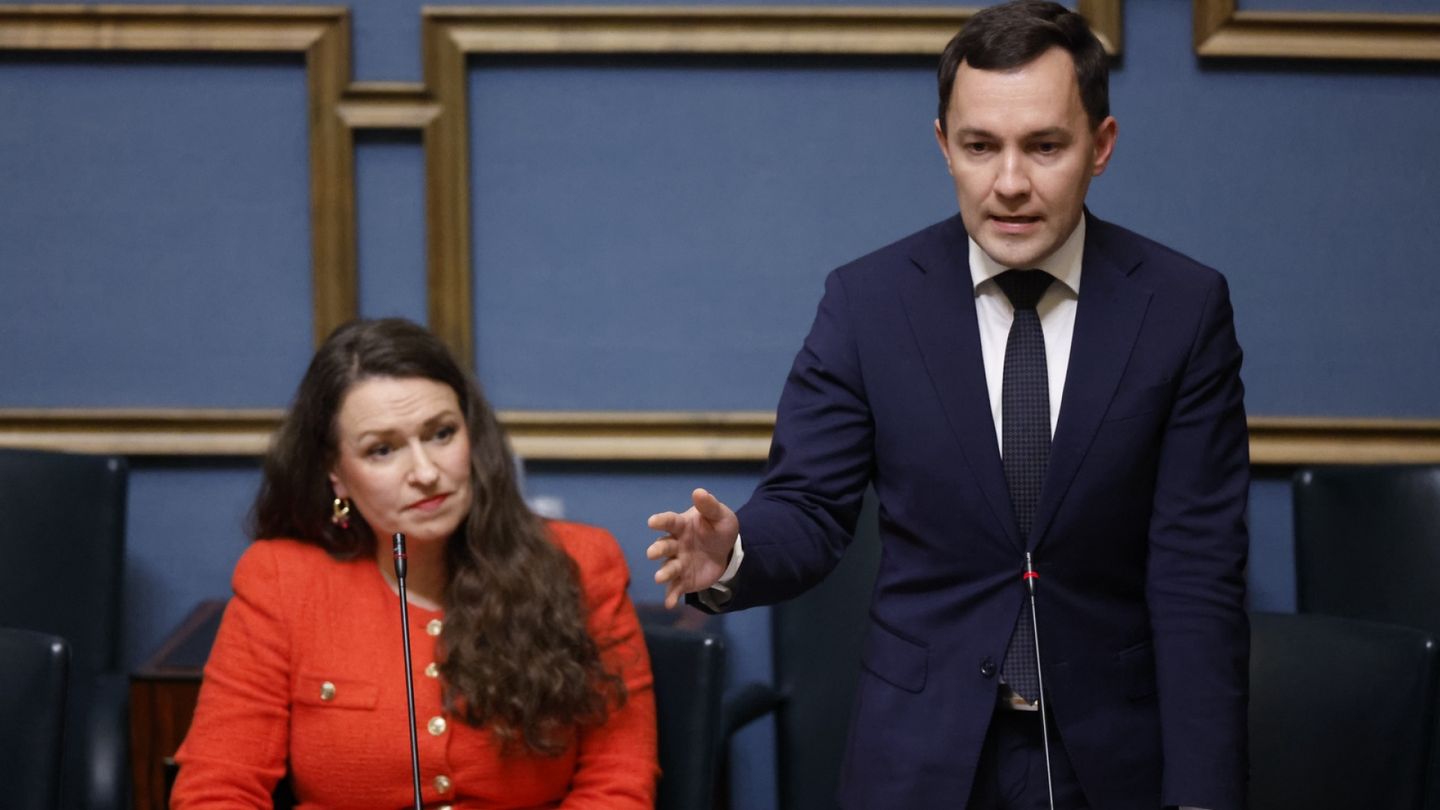
- Finnish Social Affairs and Health Minister Wille Rydman's proposed stricter criteria for state funding (Stea) to social and health organizations have caused friction within the government.
- Rydman's criteria prioritize "genuine face-to-face work" and exclude organizations focused on societal influence or specific identity groups.
- Minister Anna-Kaisa Ikonen and MP Fatim Diarra have criticized the decision, with Diarra arguing it silences minority groups.
Stricter criteria for state funding to social and health organizations in Finland, proposed by Minister of Social Affairs and Health Wille Rydman, have sparked disagreement within the government coalition. The new guidelines aim to reshape how significant cuts to these organizations' funding will be implemented for the upcoming year.
Minister Rydman's STEA grant criteria decision has not been processed together. I demand that the guidelines be discussed together. They cannot be accepted as they are.
Rydman announced on the social media platform X that the criteria for next year's grants would emphasize "genuine face-to-face work." However, Minister of Local Government and Regional Development Anna-Kaisa Ikonen quickly responded on X, stating her dissatisfaction and demanding that the guidelines be discussed collectively. "Minister Rydman's STEA grant criteria decision has not been processed together. I demand that the guidelines be discussed together. They cannot be accepted as they are," Ikonen wrote.
Rydman dismissed Ikonen's concerns, suggesting she was entitled to her opinion and might be singling out specific criteria she disliked. He indicated that the process could move forward even without full government consensus, stating that setting such grant criteria is not a matter for collective government decision-making. The government plans to cut Stea grants to social and health organizations by approximately one-third, from 274 million euros this year to around 190 million euros next year.
When grants are restricted for organizations working with ethnic minorities and sexual and gender minorities, it is not a budgetary decision. It is about who has the opportunity to be heard and who does not.
The proposed criteria explicitly state that funding will not be granted to organizations whose activities are "focused on societal influence or advisory work." Additionally, organizations primarily serving "one specific non-health-related background or identity group" would also be ineligible. Green Party MP Fatim Diarra criticized the move on Instagram, interpreting it as an attempt to silence minority groups. "When grants are restricted for organizations working with ethnic minorities and sexual and gender minorities, it is not a budgetary decision. It is about who has the opportunity to be heard and who does not," Diarra stated. Rydman declined to speculate on which specific organizations might be affected, emphasizing that the final funding decisions rest with the Ministry of Social Affairs and Health based on recommendations from Stea officials later in the year.
It is necessary to evaluate from time to time, across the entire organization field, whether taxpayers' money is going to activities that are socially justified.
DistantNews Editorial
Originally published by Helsingin Sanomat in Finnish. Translated, summarized, and contextualized by our editorial team with added local perspective. Read our editorial standards.
More Stories


From Our Blog

What Gets Lost (and Found) When News Is Translated

The Critical Role of Diaspora Media in Global News

What Travellers Should Know About Countries with Restricted Press

A Digital Nomad's Guide to Following Local News

How the Same Story Looks Different in Different Countries
