

Finnish government nears deal on state aid criteria for social organizations
Translated from Finnish, summarized and contextualized by DistantNews.
At a glance
News
Named sources
New plan
- Finland's government is nearing a resolution on criteria for social and health organizations seeking state aid.
- Minister Wille Rydman will present a proposed decree amendment, ensuring minority organizations can apply for funding.
- The agreement aims to prevent overly restrictive criteria from excluding certain groups, with final decisions on aid expected in December.
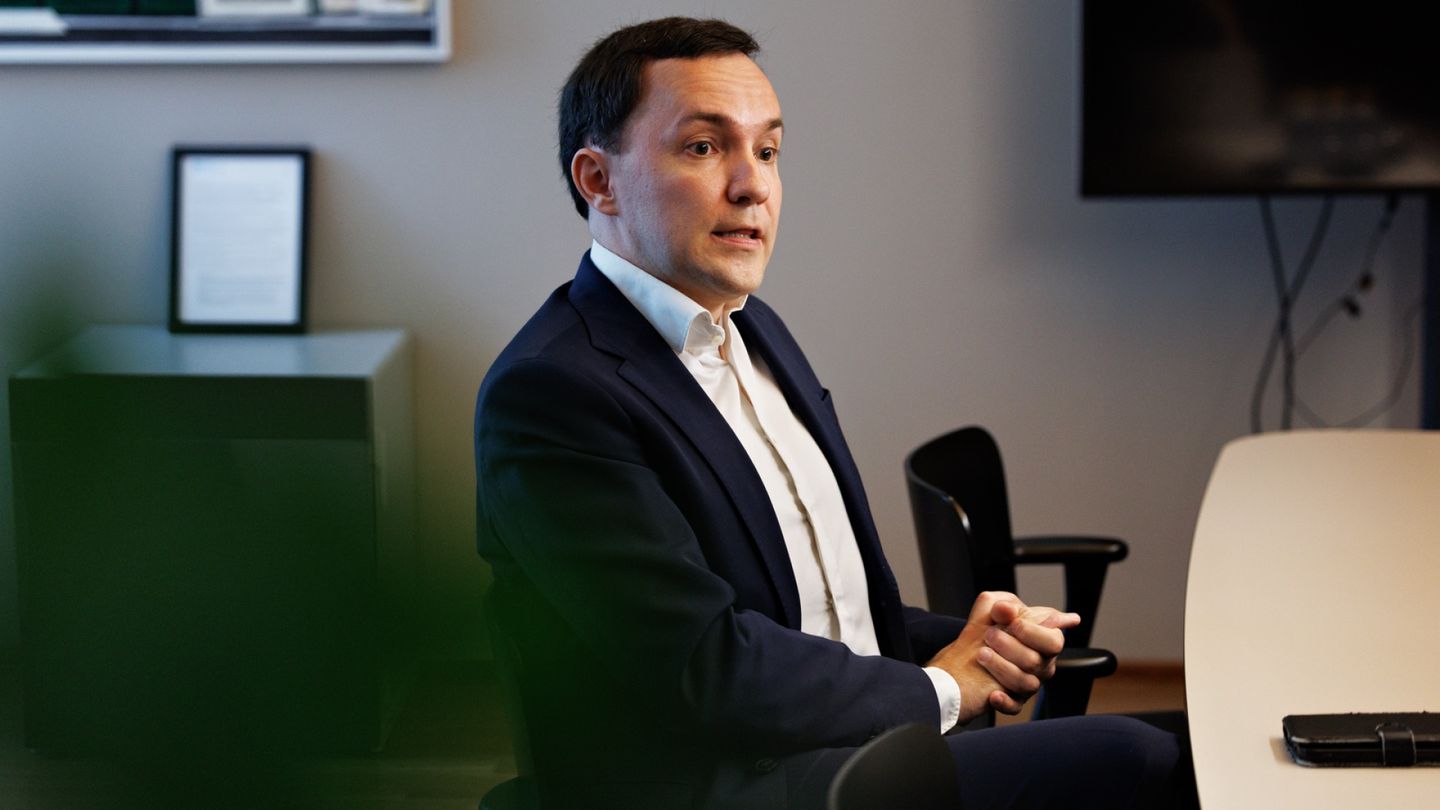
The Finnish government is reportedly close to resolving a dispute over the criteria for social and health organizations applying for state funding. Social Affairs and Health Minister Wille Rydman is set to present a proposed amendment to the decree on Thursday, which aims to ensure that all organizations, including those representing minorities, can apply for STEA grants.
Sources indicate that the final details of the decree are being ironed out before Thursday's government session. The key outcome is that the so-called "Rydman criteria" will not prevent minority organizations from applying for STEA funding during the application phase. This development is seen as a compromise, preventing either side from having to fully back down at this stage.
While Rydman's criteria, initially published in June, emphasized face-to-face client work and were interpreted as potentially excluding minority groups, the proposed amendment aims to ensure they are not overly restrictive. The government partners, particularly the National Coalition Party and the Swedish People's Party, appear to have secured that Rydman's criteria cannot be used to exclude specific organizations outright during the application process. However, the ultimate validity of these criteria may still be subject to review by ministry officials or the Chancellor of Justice.
The government will make the final decisions on the aid allocations in December. Even if the STEA grant proposal, guided by Rydman's criteria, were to exclude certain organizations, there remains a possibility for them to receive funding through other avenues. Recent adjustments to the decree amendment, according to Rydman, are "technical in nature" and largely align with the proposals from a working group led by Prime Minister Petteri Orpo. These adjustments include considering linguistic rights in the evaluation criteria and reordering factors, though they are considered of equal importance.
There is no obstacle apparent why I could not present the decree amendment on Thursday.
DistantNews Editorial
Originally published by Helsingin Sanomat in Finnish. Translated, summarized, and contextualized by our editorial team with added local perspective. Read our editorial standards.
More Stories

From Our Blog

What Gets Lost (and Found) When News Is Translated

The Critical Role of Diaspora Media in Global News

What Travellers Should Know About Countries with Restricted Press

A Digital Nomad's Guide to Following Local News

How the Same Story Looks Different in Different Countries
