


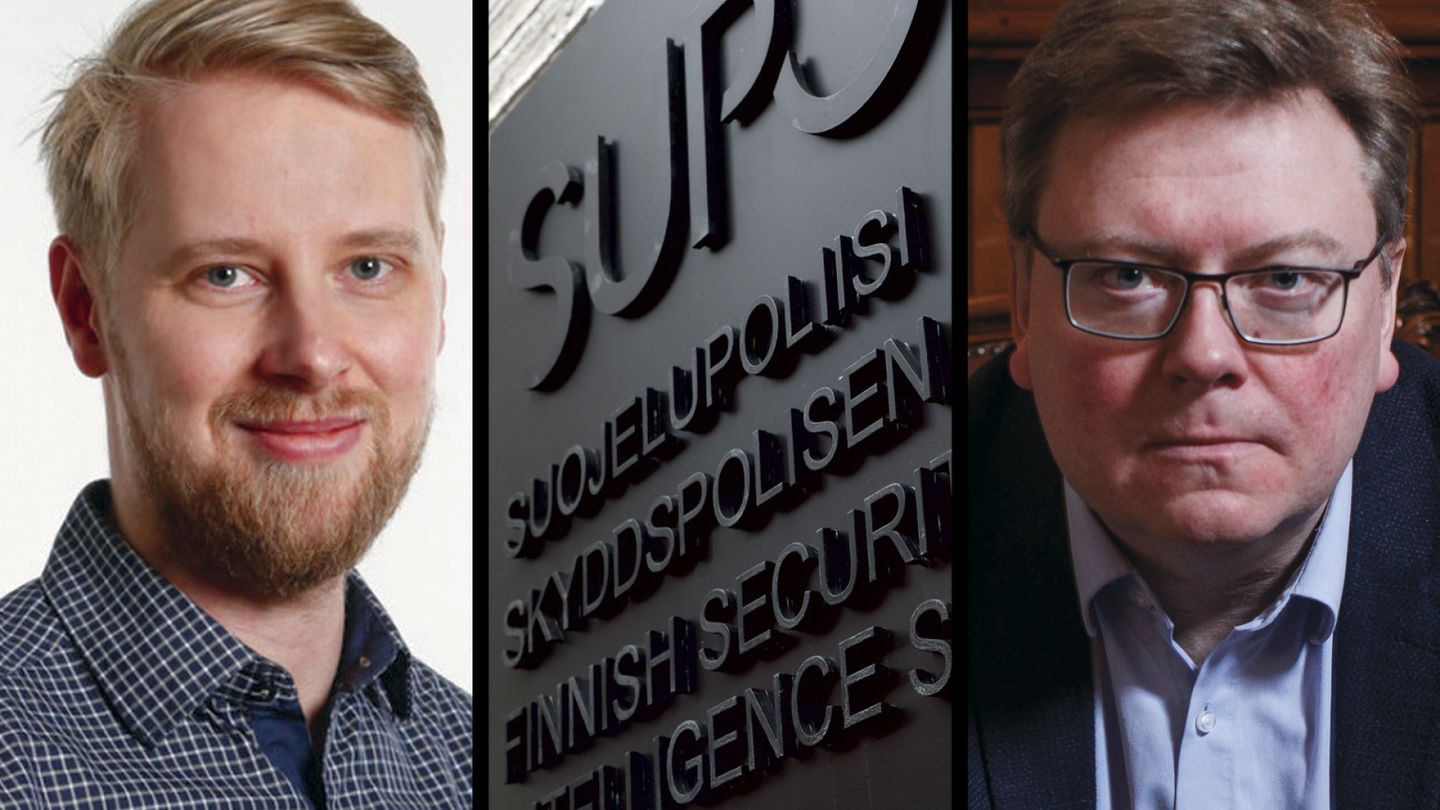
Finnish minister clashes over intelligence agency's oversight
Translated from Finnish and summarized by DistantNews. Read the original for the full story.
At a glance
News
Named sources
Context piece
- A dispute has erupted in Finland over the oversight of the Security Intelligence Service (Supo), with ministers proposing different ministries to control the agency.
- The core of the conflict lies in Supo's evolving role since 2019, when new intelligence laws transformed it into a foreign intelligence service while its administrative structure remained under the Ministry of the Interior.
- Experts argue that since Supo's primary clients are now at the highest levels of government for foreign policy decisions, its oversight should align with these users, not the Ministry of the Interior.
A recent clash between Finnish ministers over the oversight of the Security Intelligence Service (Supo) may seem like a mere political squabble, but experts say it highlights a fundamental question about the agency's current role and its proper place within the government structure.
It is quite an important thing to argue about.
At the heart of the dispute is a disagreement over which ministry should officially guide Supo. Foreign Minister Elina Valtonen has proposed placing Supo under the Foreign Ministry's purview. Prime Minister Petteri Orpo suggested the Prime Minister's Office, while Interior Minister Mari Rantanen insists Supo should remain under the Ministry of the Interior, where it is currently situated.
This debate is not new. Jukka Pesu, a researcher specializing in political history at the University of Turku, notes that Supo's position has been a point of contention for decades. The current conflict intensified when Prime Minister Orpo initiated a review of Supo's oversight within the Prime Minister's Office without informing the Interior Minister, leading to sharp criticism from Minister Rantanen.
I consider this very strange behavior and outright dirty play.
Legal expert Mikko Porvali explains that the issue stems from a significant transformation Supo underwent following the 2019 intelligence legislation. Previously a domestic security service, Supo was fundamentally altered, gaining new civilian intelligence duties and authorities, effectively becoming a foreign intelligence service. However, its administrative placement under the Ministry of the Interior did not change, creating a disconnect between its operational focus and its governmental supervision.
It is clear what the task of the Security Police is. The question is how the Security Police should be guided so that it is as nationally useful as possible.
Porvali points out the central contradiction: Supo now produces crucial intelligence to support Finland's foreign and security policy decisions, yet its guidance originates from the Ministry of the Interior. Since Supo's main consumers of information are at the highest levels of state leadership, not within the Interior Ministry, Porvali argues that aligning oversight with these primary users would be a logical step. This would ensure the information provided is timely, relevant, and sufficient for national decision-making.
The security service transformed from a security service into a foreign intelligence service.
About this summary
Originally published by Helsingin Sanomat in Finnish. Translated, summarized, and contextualized automatically by DistantNews, with a note on how the source frames the story. Not individually reviewed before publishing. How this works.
More Stories
From Our Blog

What Gets Lost (and Found) When News Is Translated

The Critical Role of Diaspora Media in Global News

What Travellers Should Know About Countries with Restricted Press

A Digital Nomad's Guide to Following Local News

How the Same Story Looks Different in Different Countries
