


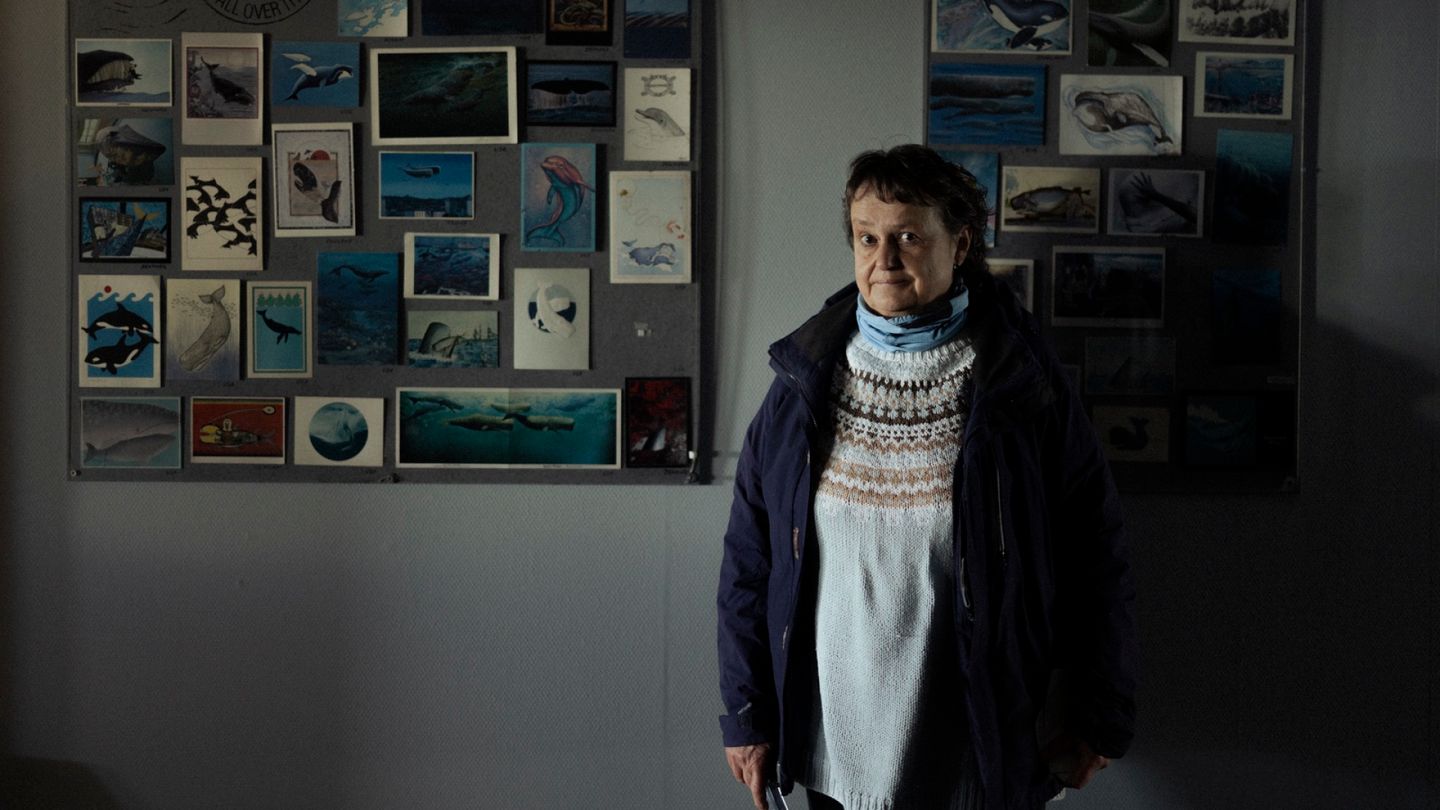
Finnish scientist becomes queen of Norway's whale capital
Translated from Finnish, summarized and contextualized by DistantNews.
At a glance
In-depth
Sources not specified
Context piece
- Tiu Similä, a Finnish scientist, has become a leading figure in whale research in Andenes, Norway, a village known as a global whale capital.
- Andenes, located north of the Lofoten Islands, attracts tourists and researchers year-round due to its rich marine life in a deep ocean canyon near the coast.
- Similä's research, particularly on how orcas hunt herring, revolutionized the understanding of animal behavior and established her as a pioneer in whale science.
In the small Norwegian village of Andenes, Tiu Similä, a Finnish scientist, has carved out a unique niche as a leading figure in whale research. Despite initial disinterest in marine mammals during her studies, Similä's career took a decisive turn in the late 1980s when she began studying orcas in Norway.
Tourists love orcas and humpback whales. If a whale tour only sees porpoises or minke whales, many are disappointed. Porpoises are apparently too small, and too little of a minke whale is visible.
Andenes, situated on the northern tip of Andøya island, is a rare location where whales are present year-round. The nearby deep ocean canyon provides a nutrient-rich environment that attracts a vast array of marine life, making the village a global whale capital. This abundance draws both tourists eager to see whales and scientists like Similä.
Similä's groundbreaking work, especially her research on orca hunting techniques, fundamentally changed scientific understanding. Her team was the first to document underwater how orcas herd herring into a tight ball, stun them with their tails, and then consume them individually. This discovery, which she recognized the immediate need to publish, cemented her status as a pioneer in whale science.
It's quite strange. I don't understand. It's some kind of whale racism.
Now a prominent figure in Andenes, Similä curates a whale exhibition at the local research center, which also houses a "whale morgue" for studying deceased specimens. Her journey from a plankton-focused student to a renowned whale scientist highlights a deep, enduring curiosity about all life in the sea.
I realized that it must be published immediately.
DistantNews Editorial
Originally published by Helsingin Sanomat in Finnish. Translated, summarized, and contextualized by our editorial team with added local perspective. Read our editorial standards.
More Stories
From Our Blog

What Gets Lost (and Found) When News Is Translated

The Critical Role of Diaspora Media in Global News

What Travellers Should Know About Countries with Restricted Press

A Digital Nomad's Guide to Following Local News

How the Same Story Looks Different in Different Countries
