


First 'Extreme Heat Danger Alert' Issued in First Year of System; Prepare for Normalized Extreme Heat
Translated from Korean, summarized and contextualized by DistantNews.
At a glance
Opinion
Sources not specified
Context piece
- South Korea issued its first "Extreme Heat Danger Alert" in Gyeongsan and Pohang due to temperatures nearing 40 degrees Celsius.
- The alert system, introduced recently, warns of potential severe heat-related health impacts.
- The article stresses the need to prepare for increasingly frequent and intense heatwaves, which are becoming a social disaster rather than just a natural one.
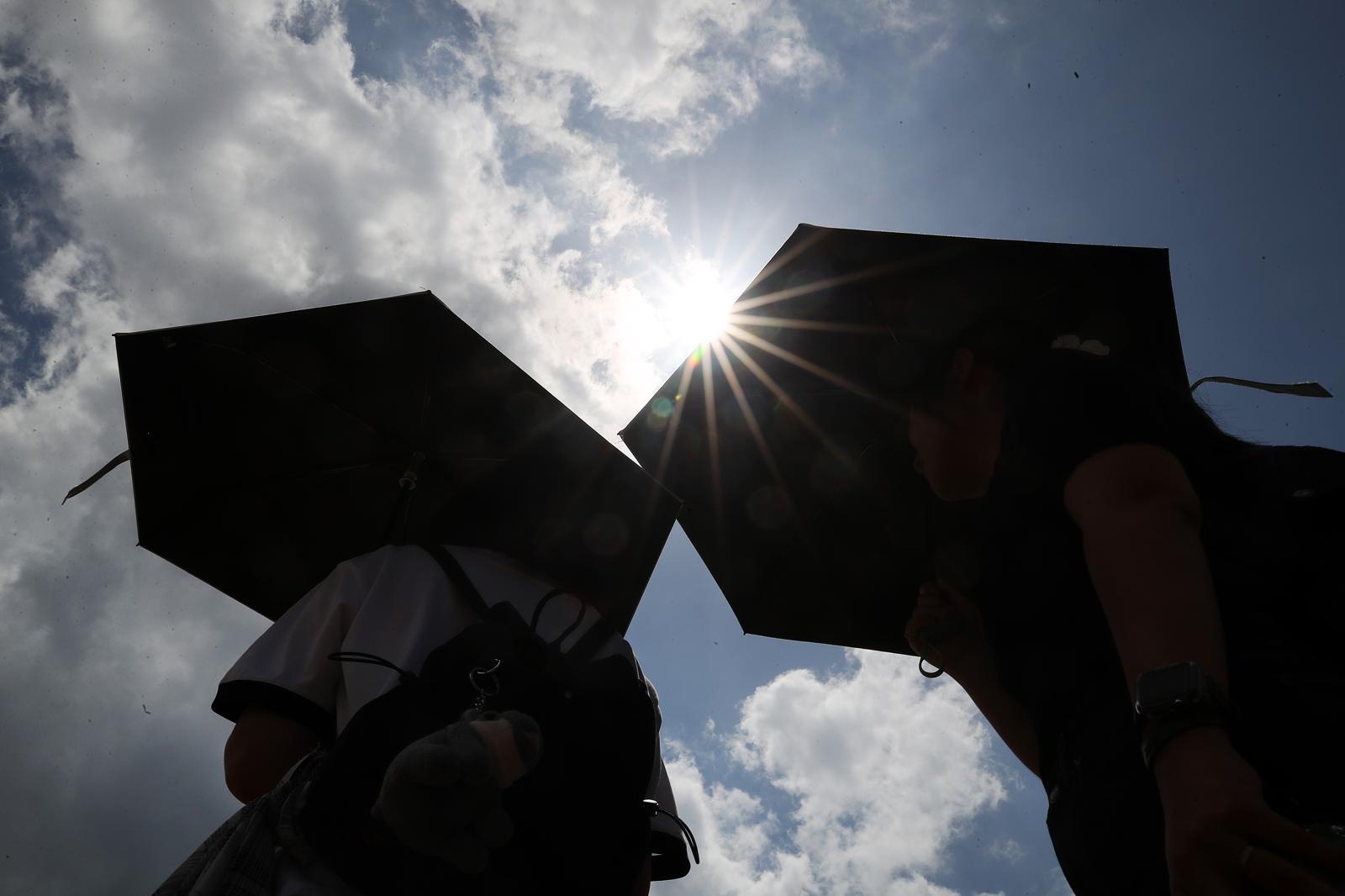
South Korea has issued its first-ever "Extreme Heat Danger Alert" in the cities of Gyeongsan and Pohang, as temperatures approached 40 degrees Celsius (104 degrees Fahrenheit). The alert, a new addition to the weather warning system, was activated on July 12, 2026, signaling the potential for severe heat-related health consequences.
The Korea Meteorological Administration introduced the extreme heat warning system last month to specifically address dangerously high temperatures that could lead to significant harm, including fatalities from heatstroke. The criteria for this highest level of alert are met when the apparent temperature exceeds 38 degrees Celsius or the maximum temperature reaches 39 degrees Celsius for more than one day in an area already under a heatwave advisory.
While the meteorological agency initially estimated that an extreme heat alert would be issued only about once a decade, it has already been deployed in the current year. This rapid deployment is attributed to a combination of weather systems, including the Tibetan High and the North Pacific High, trapping hot and humid southwesterly winds over the Korean Peninsula, creating a "steaming pot" effect.
The article emphasizes that these heatwaves are not isolated incidents but are becoming more frequent, intense, and prolonged. The "super El Niño" phenomenon is cited as a contributing factor to record-breaking heat globally. Europe is experiencing an "Omega block" heat dome, leading to shortened operating hours at attractions like the Eiffel Tower and numerous heatstroke deaths. The United States is also facing severe heat, with two-thirds of the country under heat advisories, experiencing the most extreme high temperatures since the 1950s.
This escalating heat crisis is transforming heatwaves from mere natural disasters into social threats that endanger daily life. The article points out that heatwaves are the deadliest form of natural disaster, claiming more lives than floods, typhoons, or heavy snow. It highlights that in the previous year, one in three heatstroke victims were outdoor workers in agriculture, forestry, and manual labor. While the extreme heat alert recommends suspending outdoor work, its advisory nature limits its effectiveness. The piece suggests that more rigorous on-site supervision to ensure compliance with safety measures, such as air-conditioned rest areas, would be more impactful. Additionally, it calls for attention to vulnerable populations living in poorly ventilated or uncooled housing.
DistantNews Editorial
Originally published by Dong-A Ilbo in Korean. Translated, summarized, and contextualized by our editorial team with added local perspective. Read our editorial standards.
More Stories

From Our Blog

What Gets Lost (and Found) When News Is Translated

The Critical Role of Diaspora Media in Global News

What Travellers Should Know About Countries with Restricted Press

A Digital Nomad's Guide to Following Local News

How the Same Story Looks Different in Different Countries
