


Fish cracker 'heads' become a hit snack in Malaysia
Translated from Malay, summarized and contextualized by DistantNews.
At a glance
In-depth
Sources not specified
Context piece
- A Malaysian snack business found unexpected success by selling "keropok badak," the head portion of fish crackers.
- Customers' demand for this specific part of the fish cracker led the family business to commercialize it as a standalone product.
- The "keropok badak," made from fresh mackerel, is boiled and sold in three-kilogram logs, proving highly popular.
A family-run fish cracker business in Marang, Malaysia, has discovered a unique niche market by selling the "head" of the fish cracker, known locally as "keropok badak."
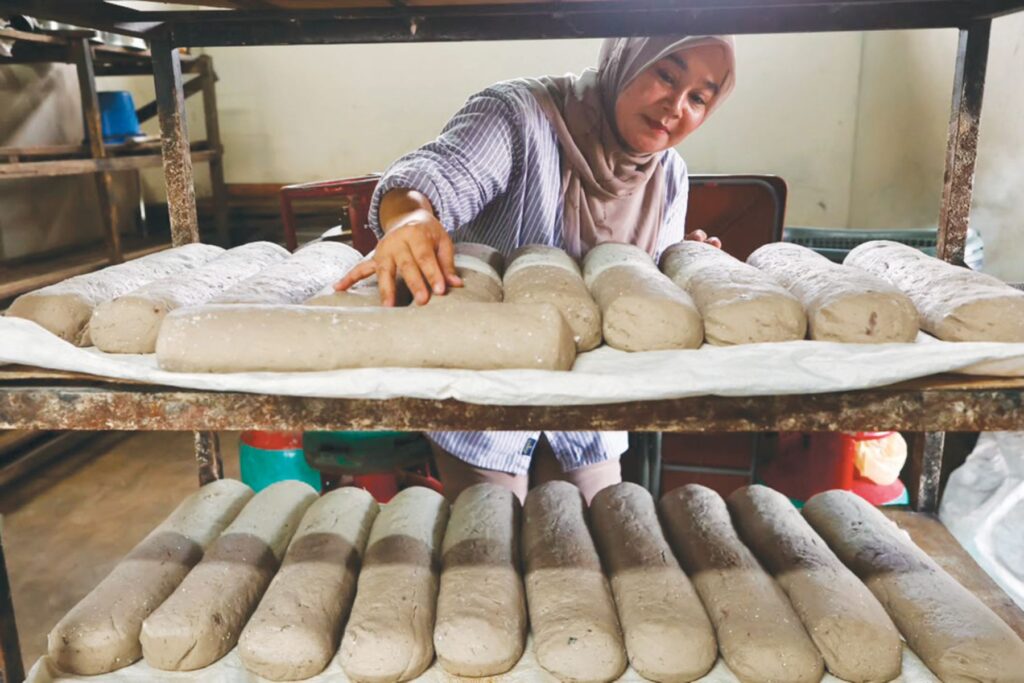
What was once considered a raw material or byproduct of the main fish cracker production process has become a sought-after product. Norizan Mohd. Nor, 39, who runs the business with her mother, Rosnani Mat Amin, 59, explained that customers frequently inquired about the "head" portion that results from cutting the crackers. Recognizing this demand, they decided to market "keropok badak" directly to consumers.
Keropok badak is actually the original dough used to produce fish crackers. When cut into pieces, there are leftovers at the end called the head of the cracker. Apparently, this cracker head has its own fans. Almost every day, customers ask about it. From there, we decided to sell the cracker head or keropok badak directly to customers.
The "keropok badak" is essentially the original dough mixture used for making fish crackers, with the "head" referring to the end piece. Each log weighs three kilograms and sells for RM35. The response has been overwhelmingly positive, with consistent demand. The business produces about 100 logs daily, not only for processing into crackers but also for direct sale.
Made primarily from fresh mackerel, the "keropok badak" is boiled for approximately two hours daily, requiring over 200 kilograms of fish meat. The business, established in 2012, supplies fish crackers both retail and wholesale in the district. Customers are advised to store the product in a freezer to maintain its quality for longer periods. The unexpected popularity of "keropok badak" highlights how consumer preferences can drive innovation and success in traditional food businesses.
Keropok badak uses fresh mackerel as the main ingredient, making its taste more delicious and of higher quality. For longer storage, customers only need to keep it in the freezer.
DistantNews Editorial
Originally published by Utusan Malaysia in Malay. Translated, summarized, and contextualized by our editorial team with added local perspective. Read our editorial standards.
More Stories


From Our Blog

What Gets Lost (and Found) When News Is Translated

The Critical Role of Diaspora Media in Global News

What Travellers Should Know About Countries with Restricted Press

A Digital Nomad's Guide to Following Local News

How the Same Story Looks Different in Different Countries
