

/nginx/o/2026/04/23/17587750t1he10f.jpg)
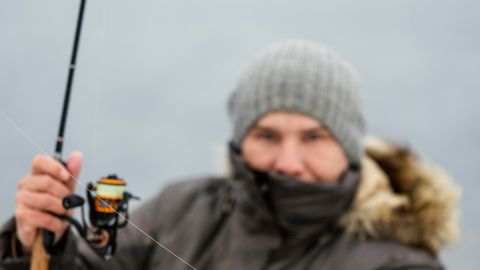
Fish Suffers for Half an Hour Before Death After Being Taken From Water
Translated from Estonian, summarized and contextualized by DistantNews.
TLDR
- Scientists are measuring the pain experienced by fish when taken out of water, a process previously considered difficult to quantify.
- Even a short period out of water triggers a chain of events with significant impacts on the fish's physiology.
- These findings challenge current practices and raise questions about our food choices and the methods used in aquaculture.
A recent study published in Postimees delves into the distressing reality of fish suffering after being removed from water, a topic that has long been overlooked or considered immeasurable. Researchers have embarked on the complex task of quantifying animal pain, focusing on one of the world's most farmed fish species. The findings reveal a startling physiological response even to brief exposure to air, prompting a critical re-evaluation of standard fishing and aquaculture practices.
The study meticulously details the sequence of reactions a fish undergoes, highlighting the profound impact on its system. This scientific endeavor moves beyond mere observation, directly questioning the adequacy and ethics of current methods employed in the industry. It suggests that the 'struggle' of a fish out of water, often dismissed as a natural reflex, is in fact a significant indicator of distress and suffering.
From an Estonian perspective, this research is particularly relevant given our nation's connection to the Baltic Sea and our reliance on fishing and aquaculture. Postimees, as a leading Estonian publication, brings this issue to the forefront, encouraging readers to consider the welfare of the animals that end up on their plates. The implications extend beyond simple empathy; they touch upon sustainability, ethical consumption, and the responsibility we hold towards the natural resources we utilize. This investigation serves as a crucial reminder that even in the pursuit of sustenance, the well-being of the creature should not be disregarded, urging a more humane approach in our interactions with the aquatic world.
DistantNews Editorial
Originally published by Postimees in Estonian. Translated, summarized, and contextualized by our editorial team with added local perspective. Read our editorial standards.
More Stories
/nginx/o/2026/04/21/17581743t1hca99.jpg)
/nginx/o/2026/04/20/17574189t1hadb8.jpg)
From Our Blog

What Gets Lost (and Found) When News Is Translated

The Critical Role of Diaspora Media in Global News

What Travellers Should Know About Countries with Restricted Press

A Digital Nomad's Guide to Following Local News

How the Same Story Looks Different in Different Countries
