


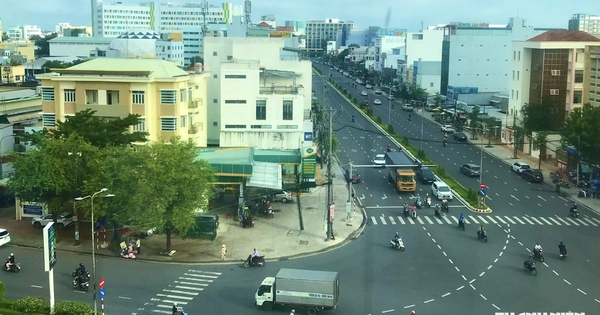

Five Da Lat wards to become central urban district under plan through 2050
Translated from Vietnamese and summarized by DistantNews. Read the original for the full story.
At a glance
News
Official statement
Approved/passed
- Lâm Đồng province approved a master-planning task for five adjoining Da Lat wards through 2050, covering about 68,089 hectares.
- The plan aims to create a central urban area and a Class II city for Lâm Đồng and Vietnam’s Central Highlands, with international-quality tourism, regional services and innovation sectors.
- By 2050, the area is projected to have about 756,800 people and receive roughly 17.47 million tourist visits annually, while addressing congestion, flooding and urban density.
Five adjoining wards of Da Lat are set to be planned as a central urban area and an internationally recognized resort destination by 2050, under a task approved by Lâm Đồng province.
The plan covers about 68,089 hectares across Xuân Hương-Da Lat, Lâm Viên-Da Lat, Cam Ly-Da Lat, Xuân Trường-Da Lat and Lang Biang-Da Lat. It divides development into a short-term phase through 2030 and a long-term phase through 2050.
The five-ward area is intended to serve as a mixed-use center for Lâm Đồng, the Central Highlands and the South Central Coast. Authorities envision high-quality international tourism, including MICE events, a nighttime economy and cultural industries linked to Da Lat’s UNESCO-recognized “City of Music” brand.
The plan also calls for a regional services and trade center, scientific and educational facilities, innovation activity and a flower-trading center. Medicinal plant cultivation, ecological farming and high-tech agriculture would develop alongside biodiversity protection in Bidoup-Núi Bà National Park.
Infrastructure is a central concern. The province wants to reduce pressure from dense development in the existing core, improve urban areas with greener and more modern infrastructure, and tackle traffic jams and localized flooding. Green and organic farming would gradually replace concentrated greenhouse agriculture. New residential areas must avoid strictly protected zones, utility and irrigation corridors, landslide and flood-risk areas, and land designated for defense, security or forestry.
The area will also be linked with Tuyền Lâm National Tourist Area and the Đankia-Suối Vàng project, while respecting the boundaries of the Lang Biang World Biosphere Reserve. Projections put the population at about 756,800 by 2050, including around 485,343 urban residents and the remainder converted from tourist numbers. Annual visitors could reach 17,474,715.
About this summary
Originally published by Tuổi Trẻ in Vietnamese. Translated, summarized, and contextualized automatically by DistantNews, with a note on how the source frames the story. Not individually reviewed before publishing. How this works.
More Stories
From Our Blog

News in Translation: What Gets Lost, and How We Keep the Framing

Diaspora Media: How Communities Follow News From Home

Traveling Where the Press Is Not Free: How to Read the News There

The Digital Nomad's Guide to Local News

The Same Story, Different Countries: How Coverage Changes at the Border
