

 Image: especial
Five more Mexico City schools join pilot program serving hot meals
Translated from Spanish and summarized by DistantNews. Read the original for the full story.
At a glance
News
Official statement
Ongoing story
- Mexico City’s DIF added five schools to the “En la Escuela, Sazón para el Bienestar” pilot program, extending hot breakfasts and lunches to their students.
- The program serves meals designed by nutritionists and aims to address child malnutrition, anemia and obesity.
- Officials plan to expand the program to 429 schools and more than 62,000 students across the city’s 16 boroughs by 2026.
Five more schools in Mexico City will begin serving hot breakfasts and lunches under the city’s “En la Escuela, Sazón para el Bienestar” pilot program. The new participants include four preschools, Xochiquetzal, Héroes de 1810, Salvador M. Lima and Ninomaxtia, as well as the Niños Héroes primary school.
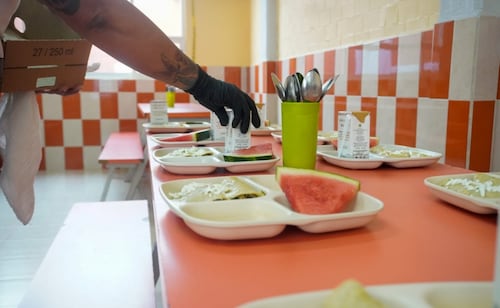
The schools join 284 basic education campuses and special education centers already covered by the program. The DIF says the meals provide 25% of children’s recommended daily nutrients and target malnutrition, anemia and childhood obesity.
Nutritionists have prepared 20 menus based on the children’s ages. The rotating meals include skim milk, water, a main dish such as chicken or beef with vegetables, and seasonal fruit.
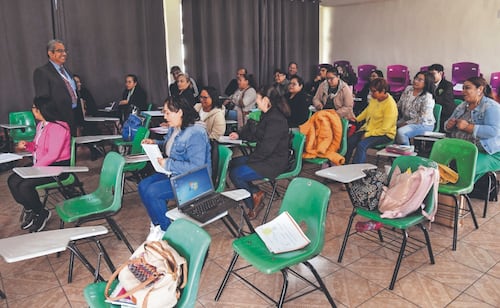
Parents and guardians take part directly in preparing the food. Each participating school forms a committee of at least eight parents or guardians, with roles including president, secretary, treasurer, monitor and group representatives. Schools must also have a suitable food-preparation area with lighting, ventilation, electricity, water, drainage and an equipped kitchen. The program can provide utensils when needed.
The pilot primarily targets neighborhoods with low levels of development. Its 2026 goal is to reach 429 schools and more than 62,000 preschool, primary and special-education students across all 16 Mexico City boroughs.
About this summary
Originally published by El Universal in Spanish. Translated, summarized, and contextualized automatically by DistantNews, with a note on how the source frames the story. Not individually reviewed before publishing. How this works.
More Stories



From Our Blog

What Press Freedom Means for the News You Read

What Gets Lost (and Found) When News Is Translated

The Critical Role of Diaspora Media in Global News

What Travellers Should Know About Countries with Restricted Press

A Digital Nomad's Guide to Following Local News
