


Five Nations Revamp Currencies Amid Economic Reforms
Translated from English, summarized and contextualized by DistantNews.
At a glance
News
Sources not specified
Context piece
- Five countries have recently changed, replaced, or redenominated their currencies to simplify transactions, address economic challenges, or align with broader economic reforms.
- Syria, Bulgaria, Zimbabwe, Venezuela, and Sierra Leone have all implemented currency reforms, including removing zeros, adopting new currencies, or joining the euro area.
- These changes aim to modernize monetary systems, improve stability, restore confidence, and facilitate trade and travel.
Several nations have recently undertaken significant currency reforms, driven by a desire to streamline economic activities and bolster financial stability. These changes, ranging from redenomination to outright adoption of new currencies or international monetary units, carry substantial implications for businesses, consumers, and investors.
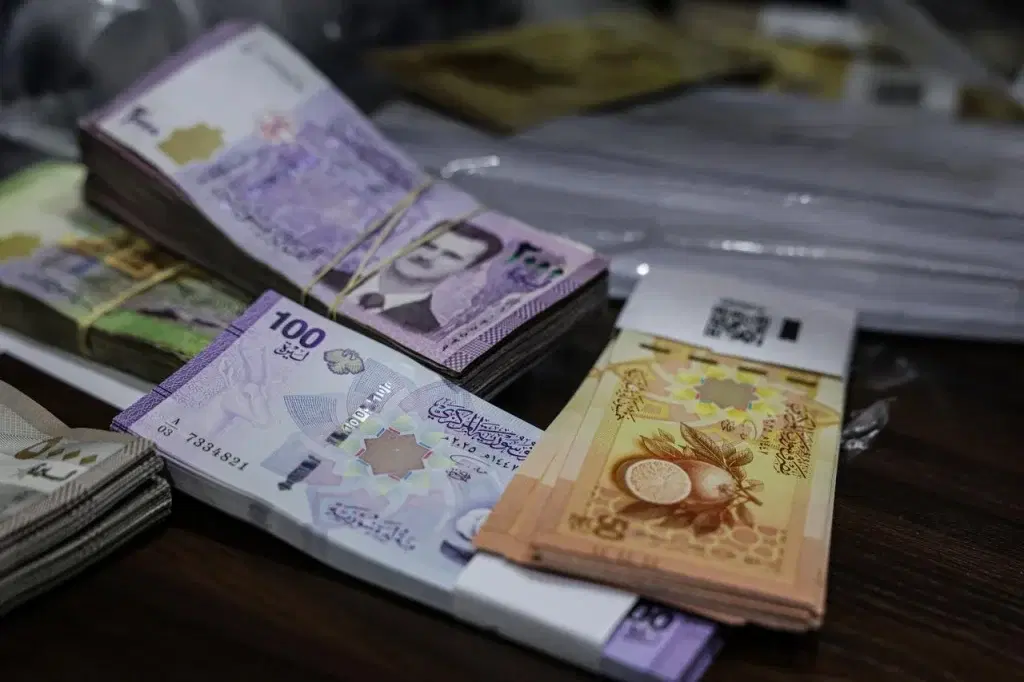
Syria introduced a new version of its national currency on January 1, 2026, removing two zeros from the Syrian pound to simplify transactions and modernize its monetary system. The redesigned banknotes highlight Syria’s cultural heritage, moving away from symbols of the former government.
Bulgaria transitioned to the euro in January 2026, becoming the 21st member of the euro area. This move fixed the conversion rate at €1 to 1.95583 Bulgarian lev, eliminating currency conversion needs for trade and travel within the eurozone.
Zimbabwe launched a new currency, the Zimbabwe Gold (ZiG), in April 2024, backed by a reserve of foreign currency and precious metals. This reform aims to combat economic instability and restore confidence after years of currency weakness.
Venezuela introduced a digital bolívar in October 2021, removing six zeros to combat severe inflation that had complicated everyday transactions. Similarly, Sierra Leone redenominated its leone in 2022, removing three zeros to simplify accounting and pricing, though not altering the underlying value of money.
These diverse currency adjustments underscore a global trend toward monetary modernization and economic stabilization, with each country tailoring its approach to specific national challenges and goals.
DistantNews Editorial
Originally published by Vanguard in English. Translated, summarized, and contextualized by our editorial team with added local perspective. Read our editorial standards.
More Stories


From Our Blog

How the Same Story Looks Different in Different Countries

What Gets Lost (and Found) When News Is Translated

The Critical Role of Diaspora Media in Global News

What Travellers Should Know About Countries with Restricted Press

A Digital Nomad's Guide to Following Local News
