


Food producers report sales plunging 30% to 50% as Romanian consumers cut spending
Translated from Romanian and summarized by DistantNews. Read the original for the full story.
At a glance
In-depth
Named sources
Context piece
- Romanian food producers selling directly to consumers report selling 30% to 50% less merchandise than last year.
- Producers attribute the decline mainly to falling purchasing power and more cautious buying behavior, with some small businesses nearing the limits of profitability.
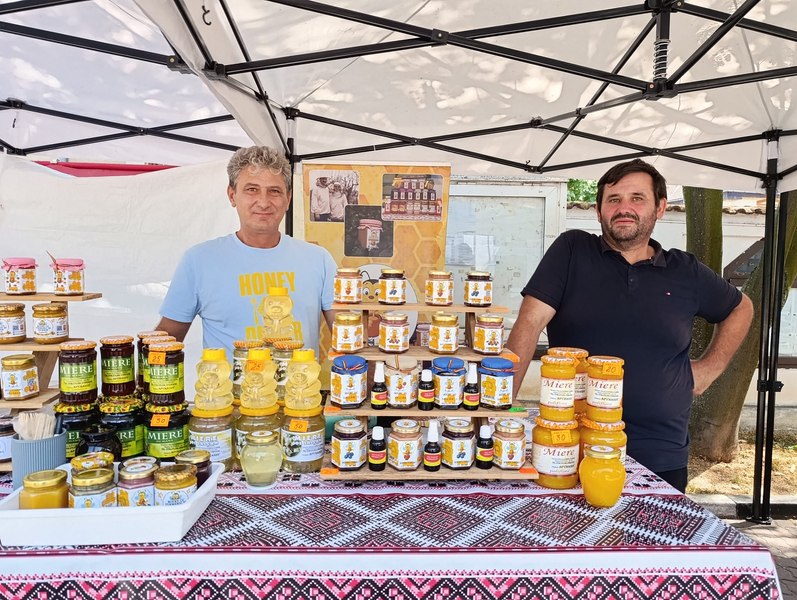
- Beekeeper Cosmin Măndică said honey sales have weakened even though his prices have remained unchanged for three years.
Food producers in Romania say customers are buying sharply less, even though many sellers have kept prices at last year’s levels or at prices from three years ago.
Producers who sell directly to consumers report a 30% to 50% decline in sales compared with last year. They blame the drop mainly on collapsing purchasing power and changes in buying habits. At the Sunday market in central Slatina, held throughout the warm season, customers have almost disappeared.
In the market, as in society and everywhere else, you can see tension, uncertainty and caution.
The late-August heat and holiday season account for part of the absence, but producers say the problem goes deeper. Beekeeper Cosmin Măndică described a mood of tension, uncertainty and caution. Customers who once left with full bags now buy only one, two or three jars of honey.
Măndică said honey sales typically weaken in July and August, when consumers think less about vitamins and more about them during winter. He now also supplies a supermarket chain, with his honey and other bee products reaching stores across the country, but continues attending markets and fairs to promote the products himself.
A fall in purchasing power automatically means a fall in consumption.
He estimated his sales had fallen 20% to 30%, despite keeping prices unchanged for three years while inflation over the period had reached 50% to 60%. A strong 2026 production season has also left a large supply of honey on the market, pushing prices down through the normal interaction of supply and demand.
Because honey is not perishable, Măndică said he can still avoid selling below production cost. Even so, the slump is putting pressure on small food businesses. He said sales over the Saint Mary weekend reached only a quarter of last year’s level.
There is a great deal of honey on the market. It has also led to lower prices, which is a normal economic phenomenon of supply and demand.
About this summary
Originally published by Adevărul in Romanian. Translated, summarized, and contextualized automatically by DistantNews, with a note on how the source frames the story. Not individually reviewed before publishing. How this works.
More Stories



From Our Blog

What Gets Lost (and Found) When News Is Translated

The Critical Role of Diaspora Media in Global News

What Travellers Should Know About Countries with Restricted Press

A Digital Nomad's Guide to Following Local News

How the Same Story Looks Different in Different Countries
