


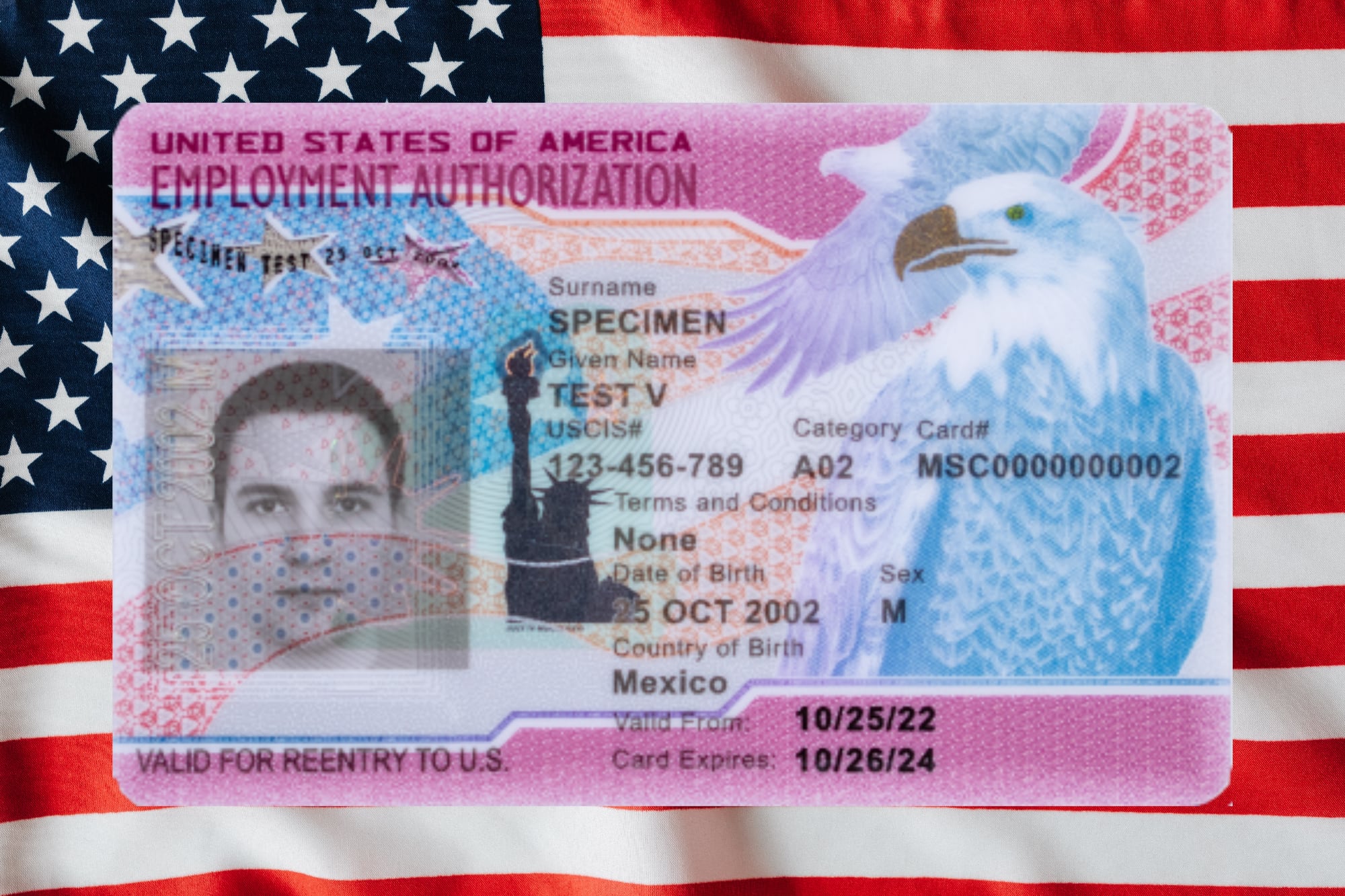
For Thousands of Migrants: What Will Happen to USCIS Work Permits This April 24 in the U.S.?
Translated from Spanish, summarized and contextualized by DistantNews.
TLDR
- The U.S. Department of Homeland Security (DHS) and USCIS are proposing reforms to work permits (EADs) for asylum seekers, with public comments closing April 24, 2026.
- The proposed changes include extending the waiting period for asylum seekers to apply for work permits from 150 days to 365 days after filing their asylum claim.
- If finalized, the new rules would also extend initial processing times for employment authorization from 30 to 180 days, potentially delaying the total time to obtain a work permit to 545 days.
La Nación reports on a significant proposed change by the U.S. Department of Homeland Security (DHS) and U.S. Citizenship and Immigration Services (USCIS) that could drastically affect thousands of migrants seeking asylum in the United States. The public comment period for these proposed reforms to work permits (Employment Authorization Documents - EADs) is set to close on April 24, 2026. This is a critical juncture for individuals whose lives and ability to work in the U.S. hang in the balance.
The core of the proposal involves a substantial increase in the waiting period before asylum seekers can even apply for a work permit. Currently, applicants can request an EAD after 150 days and receive it starting at 180 days. The DHS, however, wants to replace this with a single, fixed period, suggesting that applicants should only be able to apply after 365 days from the initial filing of their asylum claim. This shift from a dual-deadline system to a linear count aims, according to the DHS, to simplify a process they deem 'complicated and excessively burdensome.'
Furthermore, the proposed rule extends the initial processing time for employment authorization applications from 30 days to 180 days. When combined with the extended waiting period to apply, the total time from filing an asylum claim to potentially obtaining work authorization could stretch to 545 days. This represents a significant increase in the period of uncertainty and financial strain for asylum seekers, who often rely on work permits to support themselves and their families while their cases are processed.
From our perspective at La Nación, these proposed changes raise serious concerns about the accessibility of work permits for vulnerable populations. While the DHS cites simplification as a goal, the practical effect appears to be a prolonged period of dependency and potential hardship for asylum seekers. It is crucial for affected individuals and advocacy groups to make their voices heard during this public comment period to ensure that the final regulations consider the real-world impact on migrants.
DistantNews Editorial
Originally published by La Nación in Spanish. Translated, summarized, and contextualized by our editorial team with added local perspective. Read our editorial standards.
More Stories



From Our Blog

What Gets Lost (and Found) When News Is Translated

The Critical Role of Diaspora Media in Global News

What Travellers Should Know About Countries with Restricted Press

A Digital Nomad's Guide to Following Local News

How the Same Story Looks Different in Different Countries
