

Forbes Analysis: Putin Faces Instability, Potential 'Ceaușescu Model' Exit Within Three Years
Translated from Greek, summarized and contextualized by DistantNews.
At a glance
Analysis
Named sources
Context piece
- Forbes analysis suggests Vladimir Putin faces political instability within three years, potentially adopting a "Ceaușescu model."
- The war in Ukraine has shifted from a quick operation to a protracted conflict, eroding the Kremlin's image of control.
- Scenarios include a sudden overthrow or a controlled, "show trial"-like political end, with Putin possibly becoming a scapegoat.
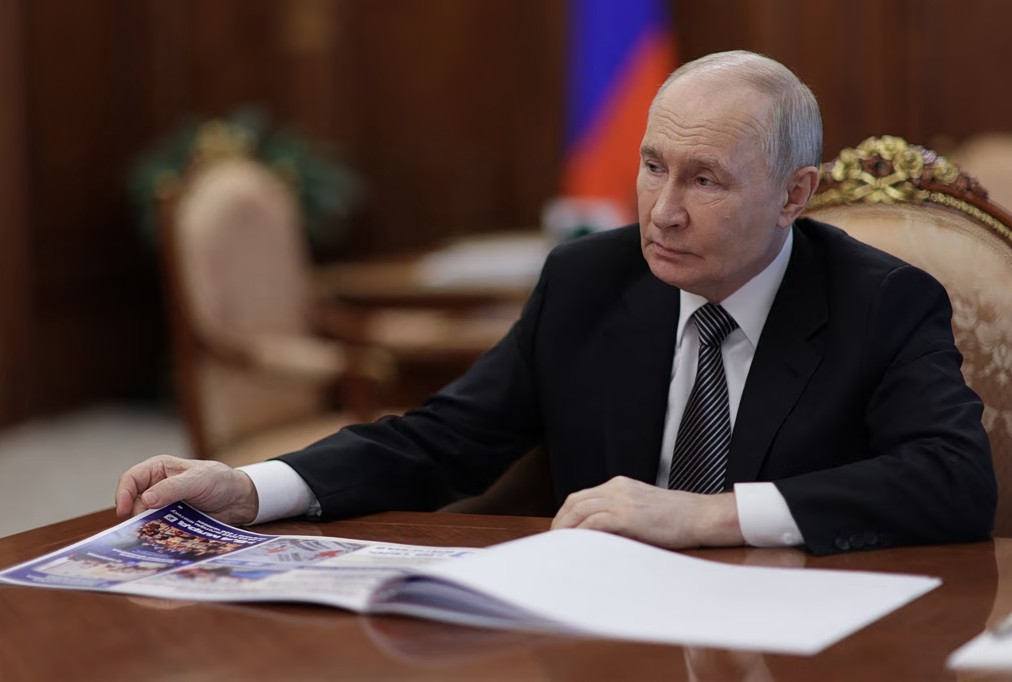
An analysis by Forbes suggests Vladimir Putin could face significant political instability within the next three years, potentially leading to his removal from power through scenarios reminiscent of the "Ceaușescu model."
The article, authored by Melik Kaylan, examines the war in Ukraine, internal power dynamics within Russia, and international pressures. It posits that the conflict has evolved from a swift operation into a prolonged war of attrition, imposing considerable costs on Moscow and undermining the Kremlin's carefully crafted image of stability. In authoritarian regimes, this erosion of control can rapidly diminish a leader's legitimacy.
Forbes outlines two primary scenarios for Putin's political future. The first involves a sudden overthrow, possibly stemming from internal conflict or even assassination, which would likely trigger a period of intense competition among various power centers. The second scenario is more institutional, envisioning a controlled political exit through a process akin to a "show trial." In this version, Putin could serve as a scapegoat, allowing Russian elites to distance themselves from the war's responsibilities while preserving the state apparatus.
The "Ceaușescu model" refers to the abrupt and violent overthrow of Romanian dictator Nicolae Ceaușescu in 1989. This scenario suggests that if Putin's regime faces a combination of internal pressure, military failures, and fractures among the ruling elites, security forces might choose to "sacrifice" the leader to prevent widespread destabilization and ensure the continuation of the state.
The analysis highlights the critical role of internal power balances, referencing security services like the FSB and Rosgvardiya. It suggests that these mechanisms, along with the broader elite, could play a decisive role in shaping Putin's ultimate fate, whether through a dramatic downfall or a more orchestrated political conclusion.
DistantNews Editorial
Originally published by Ta Nea in Greek. Translated, summarized, and contextualized by our editorial team with added local perspective. Read our editorial standards.
More Stories

From Our Blog

What Gets Lost (and Found) When News Is Translated

The Critical Role of Diaspora Media in Global News

What Travellers Should Know About Countries with Restricted Press

A Digital Nomad's Guide to Following Local News

How the Same Story Looks Different in Different Countries
