

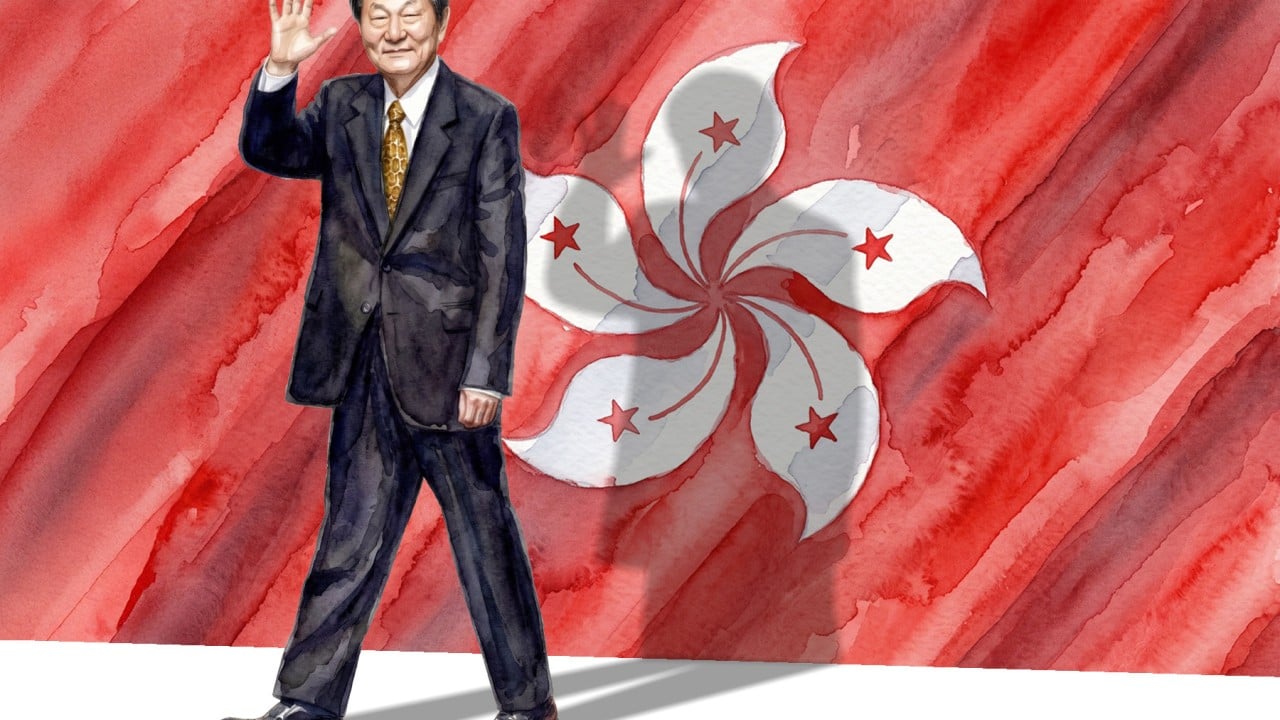

Forcing women to drink at business dinners has no place in modern China
Summarized and contextualized by DistantNews.
At a glance
In-depth
Sources not specified
Context piece
- A female employee in Hangzhou allegedly faced assault at a business drinking party.
- The incident brought back memories for the author, who experienced similar pressures a decade ago.
- The author reflects on the expectation for women to be proficient drinkers in business settings.
A recent report of a female employee allegedly being assaulted at a drinking party in Hangzhou has resurfaced painful memories for many, including the author, who experienced similar pressures in business settings over a decade ago. In those times, young women were often expected to fulfill a specific role at business dinners, adhering to an unwritten rule where the most powerful guests were seated with two young women as companions.
Everyone else is drinking. Why aren't you?
The primary duty for these women was to maintain lively conversation, entertain guests, and, crucially, ensure glasses were constantly refilled. The author admits to being a poor drinker but felt compelled to comply under pressure, often hearing, "Everyone else is drinking. Why aren't you?" This led to developing coping mechanisms, such as discreetly spitting baijiu into napkins, though this was not always successful.
I drank it, blacked out later, vomited three or four times and spent the next day with a splitting headache.
One particularly vivid memory involves being ordered to drink a full glass of red wine, a "red apple." With no way to avoid it, the author drank the wine, subsequently blacking out, vomiting multiple times, and suffering a severe headache the next day. Beyond the physical discomfort, the author recalls a profound sense of shame, questioning why she couldn't match the drinking capacity of others.
Why could everyone else drink but I couldn’t?
The ability to drink heavily was perceived as a vital professional skill. Women who could drink without apparent difficulty seemed admirable, possessing an understanding of social cues, appropriate toasts, and, most importantly, how to manage the mood at the table. The author felt her own physical limitations and personality traits were hindering her professional advancement, highlighting a deeply ingrained cultural expectation that placed women in a subordinate and often uncomfortable position within certain business environments.
The ability to drink was seen as an important professional skill.
DistantNews Editorial
Originally published by South China Morning Post. Summarized and contextualized by our editorial team with added local perspective. Read our editorial standards.
More Stories

From Our Blog

Countries Without a Free Press: What You Need to Know

What Press Freedom Means for the News You Read

What Gets Lost (and Found) When News Is Translated

The Critical Role of Diaspora Media in Global News

What Travellers Should Know About Countries with Restricted Press
