


Forensic expert's testimony unravelled in gold coin theft trial
Translated from German, summarized and contextualized by DistantNews.
At a glance
In-depth
Sources not specified
Outcome reported
- A forensic professor, Dirk Labudde, recounts his challenging experience testifying in a 2019 trial involving the theft of a 100kg gold coin.
- Labudde attempted to identify suspects from surveillance footage by measuring skeletal joint distances, creating virtual skeletons.
- His methodology was criticized as "scientifically half-baked" by defense attorneys, leading to the discrediting of his testimony.
Professor Dirk Labudde, an expert in forensics, vividly recalls the intense pressure of his first major court appearance in 2019. He was called to testify in the trial of individuals linked to the theft of a 100-kilogram gold coin from Berlin's Bode Museum, an audacious heist involving a wheelbarrow.
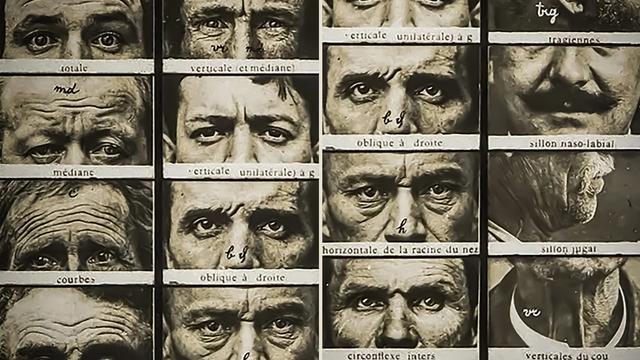
The prosecution's case relied heavily on surveillance footage, but the evidence was thin. The faces of the suspects were largely obscured by caps, scarves, and unfavorable camera angles. Labudde's innovative approach was to measure the distances between the joints of the accused individuals, using this data to construct virtual skeletons. He then intended to overlay these digital models onto the figures in the video footage, believing that shoulder width, arm length, leg axes, and joint positions would serve as definitive identifiers.
However, Labudde's scientific method faced fierce opposition from the defense. The "elite of German criminal defense lawyers," as he described them, systematically dismantled his testimony in court. They attacked every perceived flaw in his expert report, highlighting the critical error of confusing left and right. Labudde felt cornered, describing the experience as being "peeled like an onion" by the attorneys.
The defense attorneys deemed Labudde's findings "scientifically half-baked" and a "gift" for their cross-examination. Ultimately, his credibility, much like the stolen gold coin, vanished without a trace, leaving Labudde eager to escape the courtroom.
DistantNews Editorial
Originally published by Die Zeit in German. Translated, summarized, and contextualized by our editorial team with added local perspective. Read our editorial standards.
More Stories


From Our Blog

What Gets Lost (and Found) When News Is Translated

How the Same Story Looks Different in Different Countries

The Critical Role of Diaspora Media in Global News

What Travellers Should Know About Countries with Restricted Press

A Digital Nomad's Guide to Following Local News
