

Forensic Medicine: Doctors question everything they knew about medicine during autopsies
Translated from Finnish and summarized by DistantNews. Read the original for the full story.
At a glance
In-depth
Named sources
Context piece
- Forensic medicine specialists are trained to determine the cause of death when it is unclear, often involving cases of suspected crime or medical error.
- The autopsy room presents unique risks, including the potential exposure to infectious agents.
- The process requires doctors to critically re-evaluate their understanding of medical science.
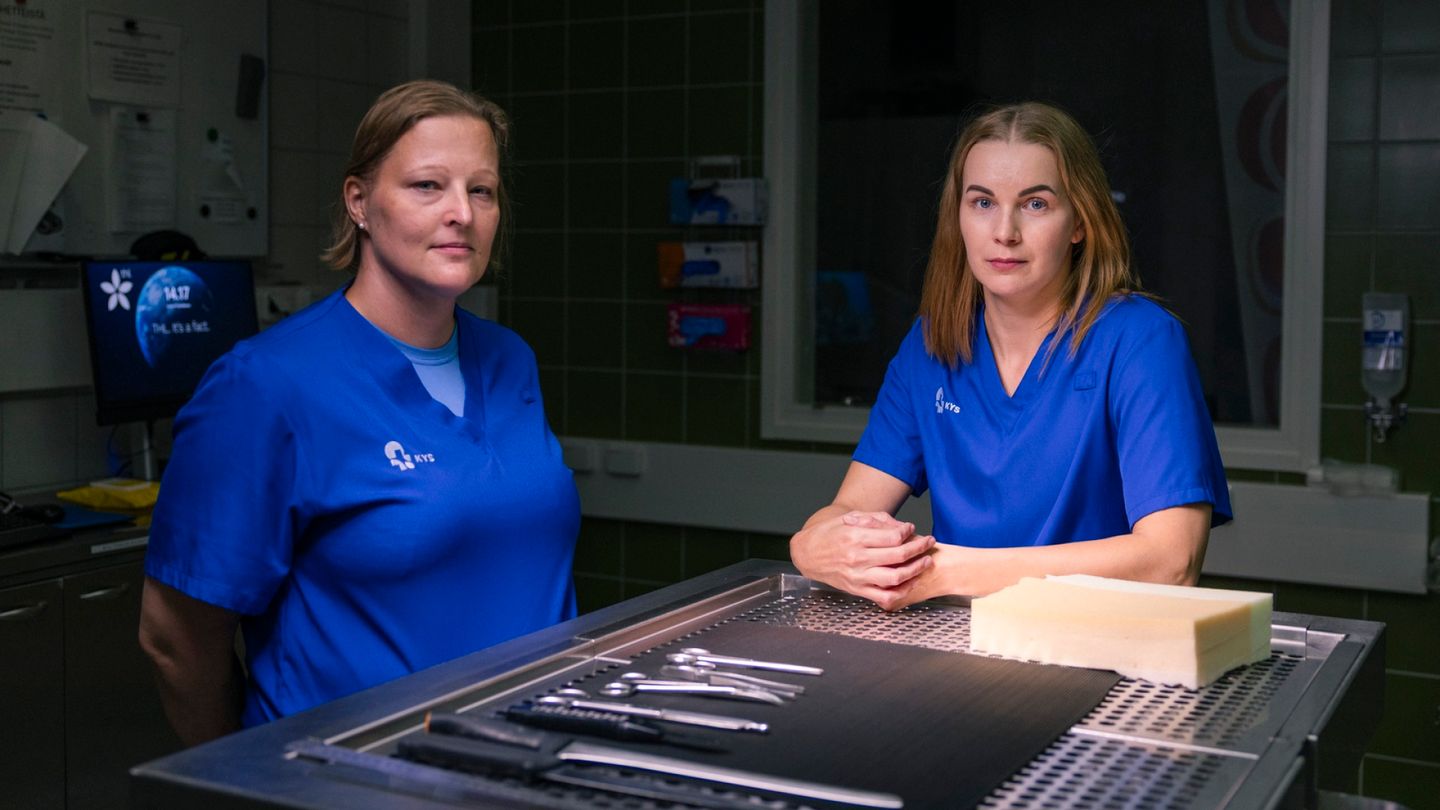
In the sterile, chlorine-scented environment of the autopsy suite at Kuopio University Hospital, a unique form of medical investigation takes place. Specialized doctors, like resident physician Katariina Hattunen, work under the guidance of forensic experts, such as Dr. Sanna Ahola, to unravel the mysteries surrounding a person's death.
This specialized field requires a rigorous and often challenging re-examination of medical knowledge. Hattunen describes how the process forces her to question fundamental assumptions about medicine. The autopsy room itself is a controlled space, maintained under negative pressure, serving as a threshold to a room few people ever witness.
Inside the autopsy room, three steel tables are prepared for the examination of deceased individuals. These examinations are conducted when the cause of death is not immediately apparent, particularly in cases involving potential foul play, accidents, suicide, or suspected medical malpractice. The precise cause of death remains unknown until the investigation is complete.
Beyond the diagnostic challenges, the autopsy room harbors specific risks. Dr. Hattunen notes that a significant danger lies in the potential for contracting infectious agents, referred to colloquially as 'death bacteria.' This underscores the critical need for stringent safety protocols and a deep understanding of biological hazards alongside medical expertise.
The greatest danger in the autopsy room is contracting a 'death bacterium'.
About this summary
Originally published by Helsingin Sanomat in Finnish. Translated, summarized, and contextualized automatically by DistantNews, with a note on how the source frames the story. Not individually reviewed before publishing. How this works.
More Stories



From Our Blog

What Gets Lost (and Found) When News Is Translated

The Critical Role of Diaspora Media in Global News

What Travellers Should Know About Countries with Restricted Press

A Digital Nomad's Guide to Following Local News

How the Same Story Looks Different in Different Countries
