

Forests in Saxony-Anhalt: When the AfD wants asylum seekers to restore the German soul
Translated from German and summarized by DistantNews. Read the original for the full story.
At a glance
Analysis
Named sources
Context piece
- Climate damage, bark beetles, drought and extreme weather have left large areas of the Harz forest in Saxony-Anhalt dead or severely degraded.
- The AfD uses the region’s forests in its election campaign while linking forest policy to migration and asylum seekers.
- New green growth is emerging among the deadwood, even as the party’s campaign presents a more idealized image of the landscape.
The AfD’s leading candidate in Saxony-Anhalt’s accelerating election campaign rode the Harz narrow-gauge railway to the Brocken at the end of July, beneath bright sun and freshly pressed campaign optimism. The party’s video presented a landscape of “freedom and solidarity,” while passengers told Ulrich Siegmund, “This is the ideal world.”
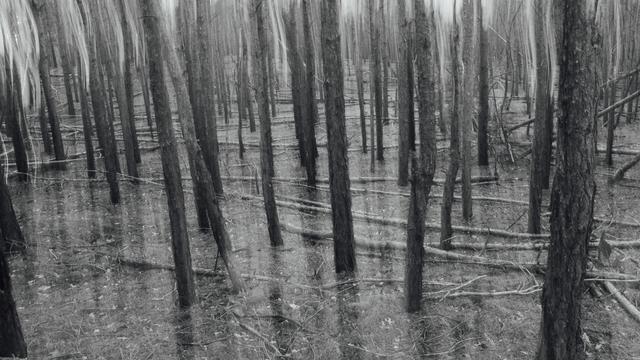
But outside the campaign frame, the view is far less idyllic. The Brocken is one of Germany’s best-known examples of a dying forest. The mountain, immortalized by Goethe and Heine, now bears the marks of a natural spectacle that has unsettled many observers.
Bark beetles, drought and extreme weather have killed much of the conifer population. Local conditions have added to the damage. At the end of August, police said they suspected that sparks from the narrow-gauge railway had caused a forest fire. Hikers heading toward the legendary mountain have encountered slopes covered in deadwood for several years.
This is the ideal world
The collapse of the climate conditions is transforming the landscape. Where the mining history of the ore-rich Harz did not destroy the forest, today’s dying monocultures are turning lush green slopes into a gray-brown wasteland. Yet the dead trees are also making room for something new. The first green pioneer plants are already growing.
The article presents the AfD’s forest agenda as ideological rather than simply practical. Its campaign uses the damaged woodland while connecting forest management with migration and asylum seekers, leaving the climate crisis largely outside the picture.
It could be so beautiful, everywhere in Germany
About this summary
Originally published by Die Zeit in German. Translated, summarized, and contextualized automatically by DistantNews, with a note on how the source frames the story. Not individually reviewed before publishing. How this works.
More Stories

From Our Blog

What Gets Lost (and Found) When News Is Translated

How the Same Story Looks Different in Different Countries

The Critical Role of Diaspora Media in Global News

What Travellers Should Know About Countries with Restricted Press

A Digital Nomad's Guide to Following Local News
