

Forget Weimar, it’s Japan’s Taisho period we need to talk about
Summarized and contextualized by DistantNews.
At a glance
Analysis
Named sources
Context piece
- The article contrasts the common Western focus on Germany's Weimar Republic with Japan's Taisho period as a more relevant historical parallel.
- Both periods were marked by liberal instability followed by authoritarianism, with Taisho preceding Japan's militaristic expansion.
- It warns that Japan's current rearmament and embrace of hawkish policies echo the Taisho era, raising regional concerns.
While Western commentary often invokes Germany's Weimar Republic as a historical metaphor for current crises, the article argues for a closer look at Japan's Taisho period (1912-1926). This era, which partially overlapped with Weimar, is presented as a more pertinent parallel, characterized by liberal democracy alongside significant instability, ultimately paving the way for the fanatical militarism of the subsequent Early Showa period.
The Weimar Republic is frequently cited for its extremes: artistic flourishing, social upheaval, democratic liberalism, and radical political movements, all preceding Germany's descent into Nazism. However, the author suggests that focusing solely on this German experience overlooks a similar, yet often ignored, Japanese historical trajectory. The Taisho period, much like Weimar, was a time of democratic experimentation and social change, but it also contained the seeds of future conflict.
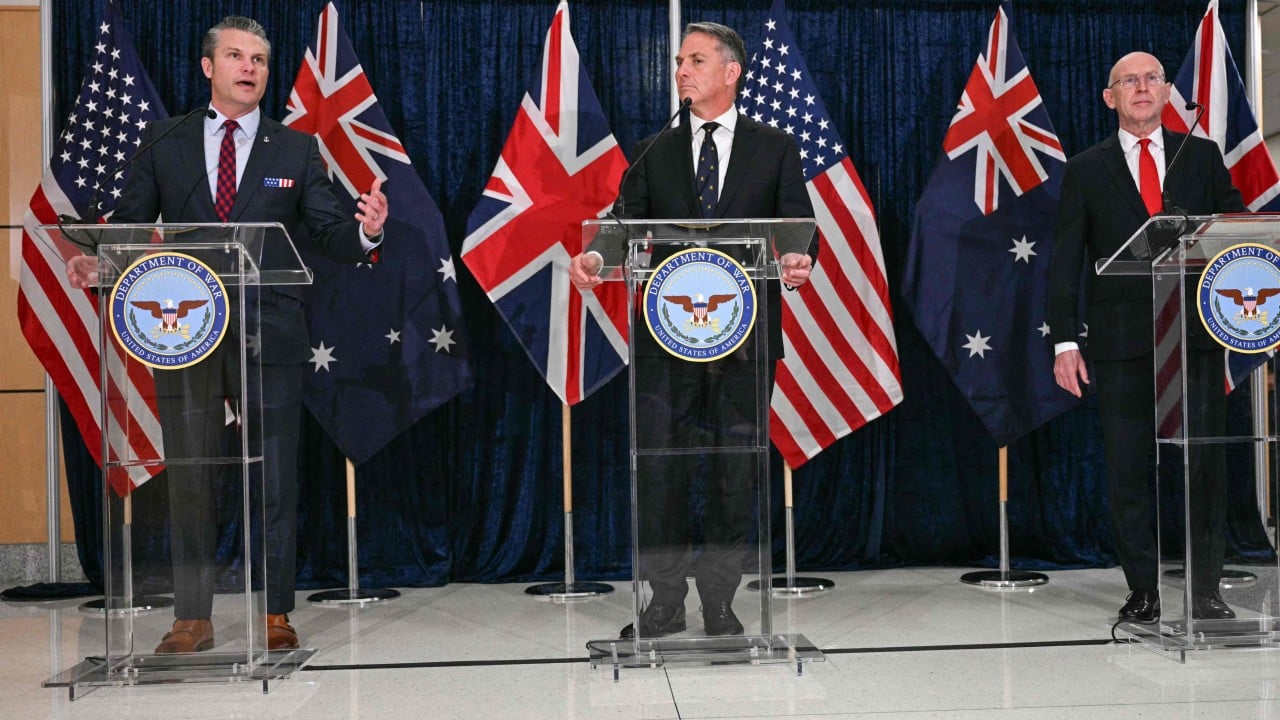
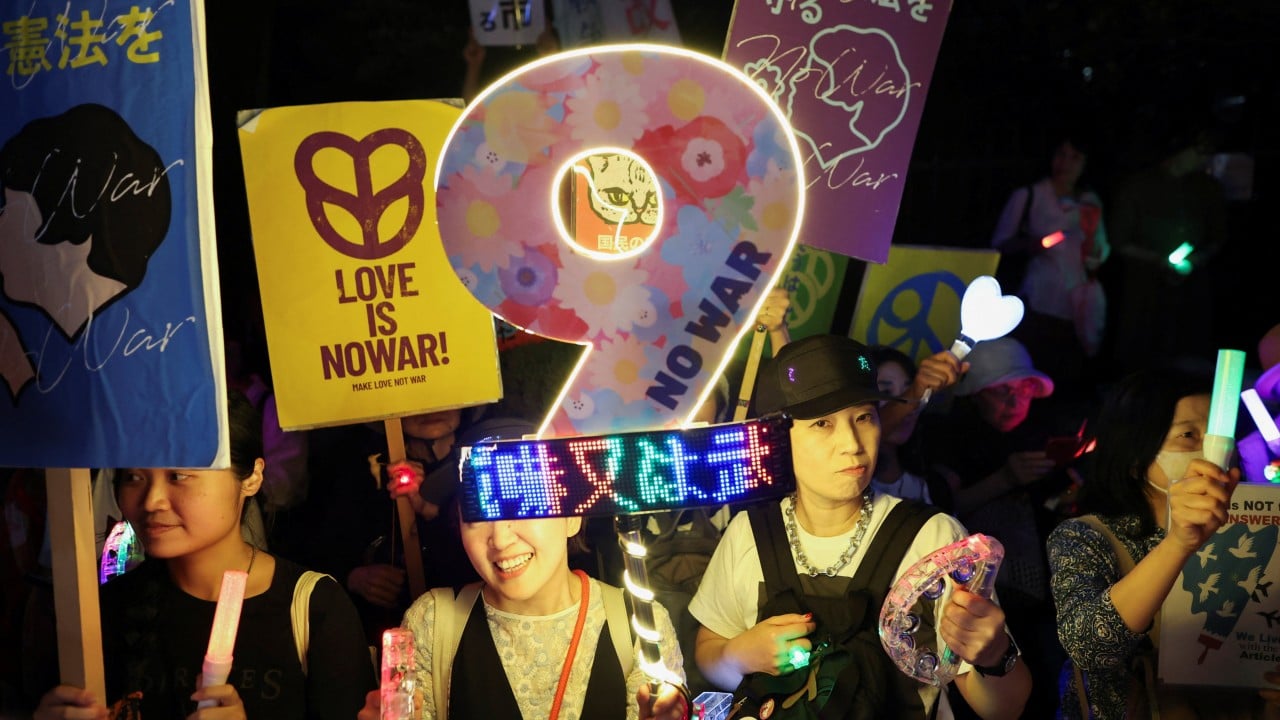
This historical parallel becomes particularly relevant given Japan's contemporary political landscape. Under Prime Minister Sanae Takaichi and her right-wing cabinet, there is an open embrace of rearmament and remilitarization, with discussions of nuclear capabilities potentially re-emerging. This shift, occurring after a long period of pacifism, risks igniting a regional arms race, a scenario seemingly encouraged by the United States and the European Union.
The article posits that this current Japanese trajectory eerily resembles the lead-up to the Taisho period's descent into militarism. The implications are significant, causing unease among Japan's neighbors who see echoes of past aggression. The author implies that understanding the Taisho period offers a more direct warning about the potential consequences of Japan's current political direction than the more commonly discussed Weimar Republic.
The new crisis [in Germany] seems uncomfortably familiar because, in some respects, it resembles the one that engulfed the Weimar Republic a century ago.
DistantNews Editorial
Originally published by South China Morning Post. Summarized and contextualized by our editorial team with added local perspective. Read our editorial standards.
More Stories

From Our Blog

Countries Without a Free Press: What You Need to Know

What Press Freedom Means for the News You Read

What Gets Lost (and Found) When News Is Translated

The Critical Role of Diaspora Media in Global News

What Travellers Should Know About Countries with Restricted Press
