

Fort McMurray wildfire survivor shares evacuation trauma lessons
Translated from English, summarized and contextualized by DistantNews.
At a glance
News
Sources not specified
Context piece
- Terese Greenwood, a survivor of the 2016 Fort McMurray wildfire, shares lessons learned about evacuation and rebuilding.
- She emphasizes the importance of following evacuation orders and prioritizing safety, describing the wildfire as 'apocalyptic'.
- Greenwood also discusses the lasting emotional impact of the disaster and advises current evacuees to lean on their communities for support.
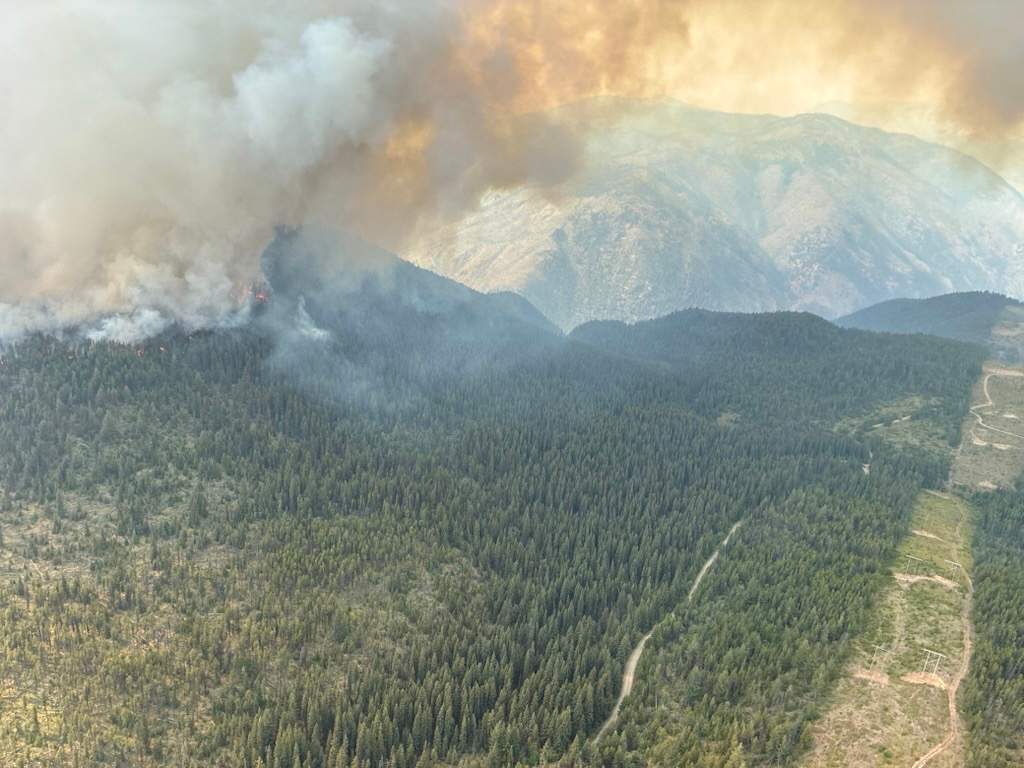
As hundreds of families grapple with displacement due to ongoing wildfires in British Columbia and Ontario, Terese Greenwood, who lost her home in the devastating 2016 Fort McMurray wildfire, is sharing crucial insights from her experience. Greenwood's home was destroyed a decade ago, and she recently spoke with Global News about the challenges of rebuilding and the advice she hopes will help those currently affected.
Your job as the resident, as the citizen, is to make sure you’re safe, your family’s safe. Obey the directions of the fire department and the municipality.
One of the most significant lessons Greenwood learned was the critical importance of adhering to evacuation orders and making safety the top priority. "Your job as the resident, as the citizen, is to make sure you’re safe, your family’s safe," she stated. "Obey the directions of the fire department and the municipality."
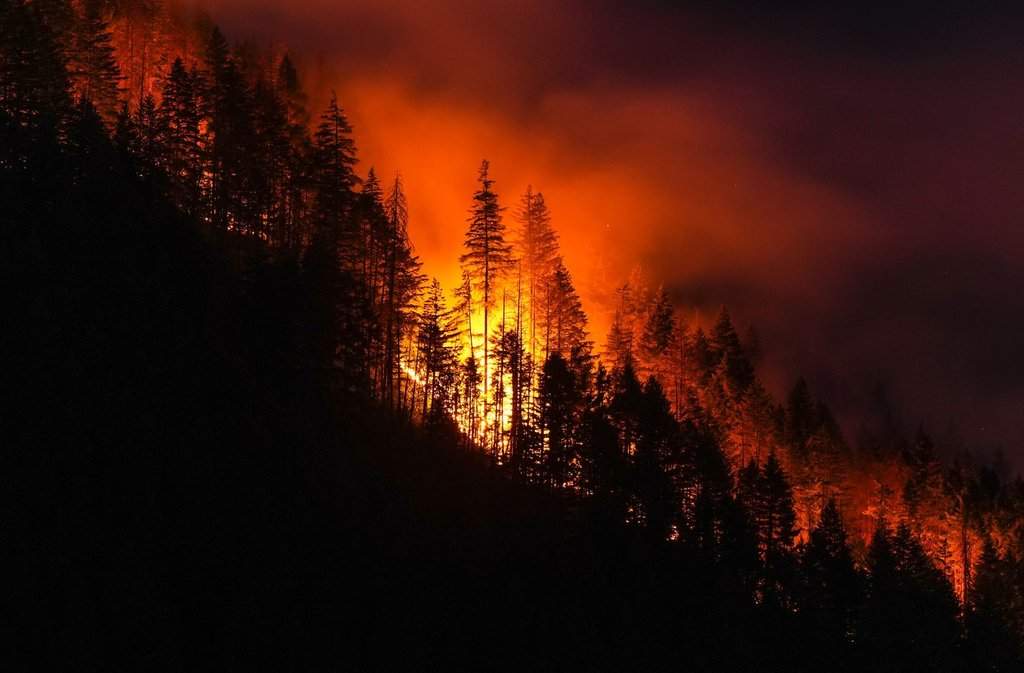
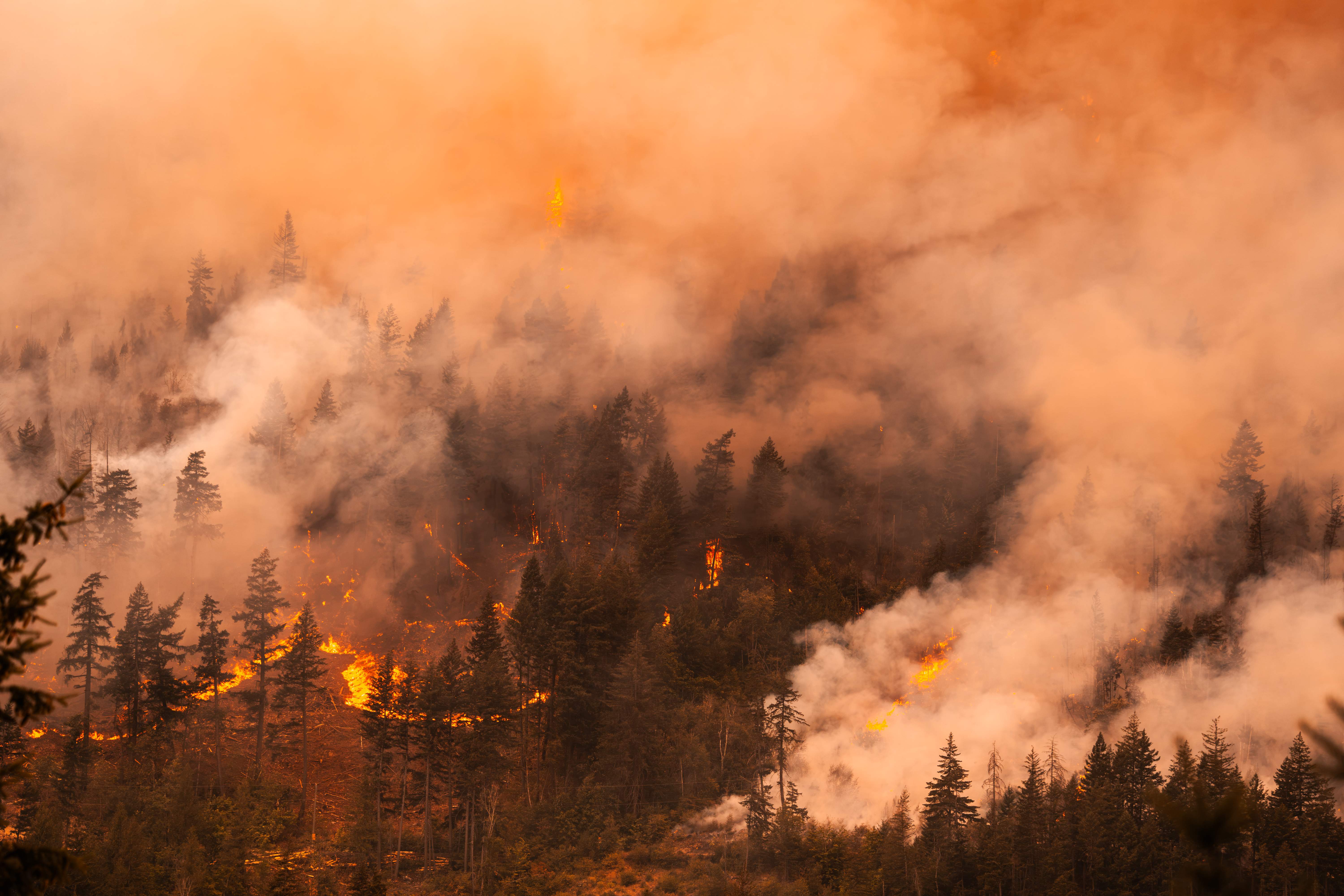
Recalling the chaos of her own evacuation, Greenwood described the wildfire as "apocalyptic." Her family had minimal time to prepare before fleeing as flames approached their home. Despite the terrifying circumstances, she noted that the Fort McMurray community largely remained calm and supported each other during the evacuation, with no reported panic.
The flames were already sort of heading towards my home.
Greenwood highlighted that emergency crews focus on protecting essential infrastructure and maintaining clear evacuation routes, underscoring why residents must leave when instructed. Although her family rebuilt their home, they later downsized, realizing they no longer needed the same amount of space or possessions.
Our whole community was able to evacuate. We did not experience any panic.
The emotional toll of such a disaster can linger long after the fires subside. Greenwood, who wrote a book about her experience, noted that everyday objects can unexpectedly trigger painful memories for survivors. She encourages those currently facing evacuation orders to lean on their communities and allow themselves time to process their emotions, emphasizing that "there’s no right or wrong way to feel about this."
We went from a four-bedroom house with … kids’ curling brooms and things like that … to not even owning a teapot.
DistantNews Editorial
Originally published by Global News in English. Translated, summarized, and contextualized by our editorial team with added local perspective. Read our editorial standards.
More Stories
From Our Blog

What Gets Lost (and Found) When News Is Translated

The Critical Role of Diaspora Media in Global News

What Travellers Should Know About Countries with Restricted Press

A Digital Nomad's Guide to Following Local News

How the Same Story Looks Different in Different Countries
