

Four candidates vie to lead UN amid global turmoil
Summarized and contextualized by DistantNews.
TLDR
- Four candidates are competing to succeed António Guterres as UN Secretary-General, facing a backdrop of global instability and financial crisis.
- The selection process includes public question-and-answer sessions, a format introduced in 2016 for greater transparency.
- The final decision rests with the five permanent members of the UN Security Council, with the US emphasizing alignment with its priorities.
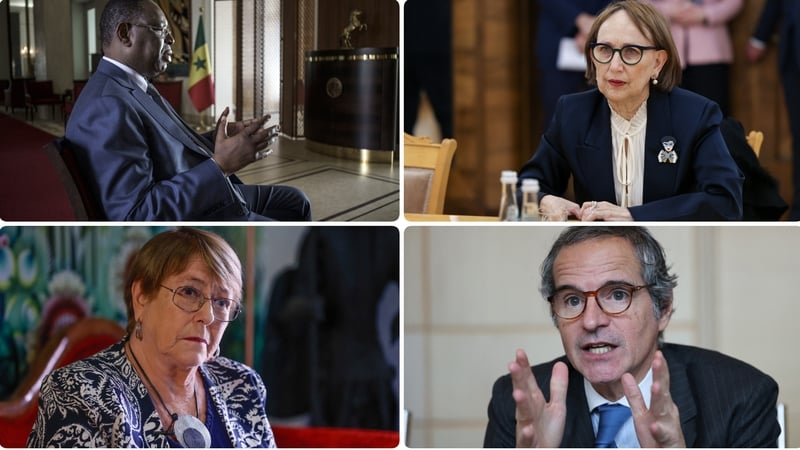
The United Nations is at a critical juncture as four prominent figures vie for the position of Secretary-General, seeking to lead the organization through a period of escalating global turmoil, persistent conflicts, and a significant financial deficit. The upcoming public hearings, where candidates Michelle Bachelet, Rafael Grossi, Rebeca Grynspan, and Macky Sall will face scrutiny from member states and NGOs, represent a continued effort towards transparency in the selection process, a format initiated in 2016.
However, the ultimate authority in choosing the next UN chief lies with the five permanent members of the Security Council: the United States, the United Kingdom, France, Russia, and China. Each holds veto power, a reality that underscores the geopolitical complexities influencing the decision. The United States, in particular, has signaled that its endorsement will be contingent upon the candidates' alignment with American interests and values, as articulated by US envoy to the UN Mike Waltz.
American values and interests
This selection process unfolds against a backdrop of deep-seated criticism regarding the UN's effectiveness and its precarious financial situation, exacerbated by major member states' failure to meet their contribution obligations. The candidates themselves have pledged to rebuild trust in the organization, acknowledging the challenges ahead. Their public sessions are designed to allow member states and civil society a greater voice, yet the shadow of the Security Council's veto power looms large.
From a global perspective, the UN's role in maintaining peace and security is under intense pressure. The candidates' backgrounds—ranging from former heads of state and human rights chiefs to leaders of international atomic energy and trade development agencies—offer diverse approaches to tackling these multifaceted crises. The emphasis on "American values and interests" by the US envoy highlights a potential tension between national agendas and the UN's universal mandate, a dynamic that will undoubtedly shape the future direction of the organization.
return to its founding promise
DistantNews Editorial
Originally published by RTÉ News. Summarized and contextualized by our editorial team with added local perspective. Read our editorial standards.
More Stories

From Our Blog

What Gets Lost (and Found) When News Is Translated

The Critical Role of Diaspora Media in Global News

What Travellers Should Know About Countries with Restricted Press

A Digital Nomad's Guide to Following Local News

How the Same Story Looks Different in Different Countries
