

France again demands Russia withdraw troops from Transnistria, calling them 'illegally stationed'
Translated from Romanian, summarized and contextualized by DistantNews.
At a glance
News
Sources not specified
Context piece
- France reiterated its call for Russia to withdraw its troops from Transnistria, citing their illegal stationing.
- The call marks the 34th anniversary of the ceasefire agreement that ended the 1992 Transnistria War.
- Moldova consistently requests the withdrawal of Russian troops and ammunition, but Moscow has repeatedly rejected these demands.
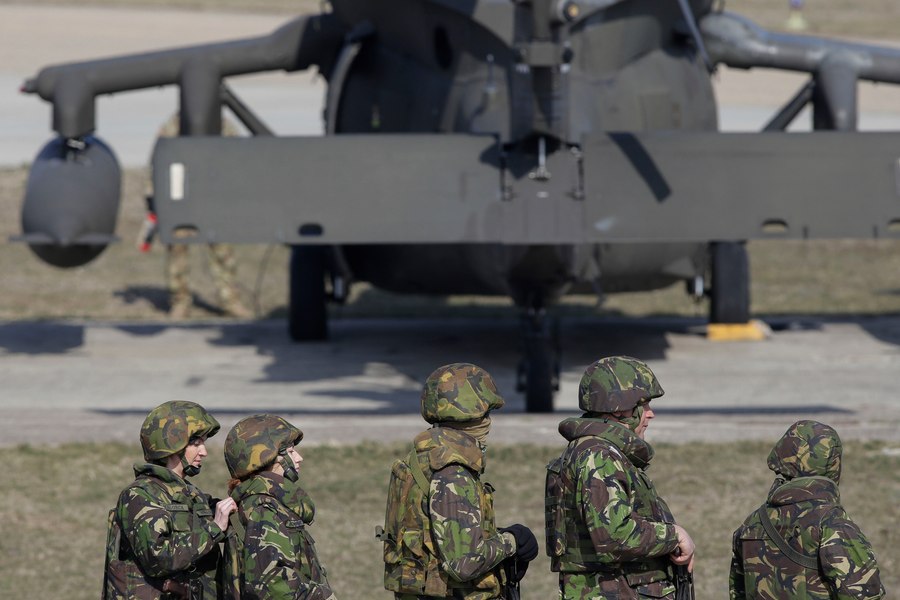
France has once again urged Russia to withdraw its troops from the Transnistrian region of Moldova, asserting that their presence is illegal and violates international law. This renewed call comes on the 34th anniversary of the ceasefire agreement that ended the 1992 war over Transnistria.
Thirty-four years ago, the ceasefire agreement of July 21, 1992, ended the Transnistrian war. Since then, in violation of international law and its own commitments, Russia has maintained a military contingent in the region.
The French Ministry of Foreign Affairs stated that Russia continues to maintain a military contingent in Transnistria despite its commitments and international norms. "Thirty-four years ago, the ceasefire agreement of July 21, 1992, ended the Transnistrian war. Since then, in violation of international law and its own commitments, Russia has maintained a military contingent in the region," the ministry said in a message.
Paris is calling on Moscow to "withdraw its troops illegally stationed on the left bank of the Dniester River and to truly support the process of a peaceful settlement of the Transnistrian conflict." The 1992 war, which erupted after the region declared independence, resulted in hundreds of deaths and thousands injured, leaving Transnistria outside the control of Chisinau. Russia has maintained troops on the left bank of the Dniester ever since.
withdraw its troops illegally stationed on the left bank of the Dniester River and to truly support the process of a peaceful settlement of the Transnistrian conflict.
Moldovan authorities consistently demand the withdrawal of Russian soldiers and the ammunition stored in Cobasna, advocating for a replacement of the current peacekeeping mission with an international civilian mission. However, Moscow has repeatedly rejected these requests. Russia's designated ambassador to Moldova, Oleg Ozerov, recently argued that the 1999 Istanbul Declaration, under which Russia pledged to withdraw troops and ammunition by the end of 2002, was not a legal obligation but merely expressed "intentions." He also stated that troop withdrawal could only occur after a resolution to the Transnistrian conflict within the "5+2" negotiation format, which has been stalled since Russia's invasion of Ukraine.
intentions.
DistantNews Editorial
Originally published by Adevărul in Romanian. Translated, summarized, and contextualized by our editorial team with added local perspective. Read our editorial standards.
More Stories
From Our Blog

What Gets Lost (and Found) When News Is Translated

The Critical Role of Diaspora Media in Global News

What Travellers Should Know About Countries with Restricted Press

A Digital Nomad's Guide to Following Local News

How the Same Story Looks Different in Different Countries
