

France Boosts Defense Role in Europe Amid Global Military Cooperation Surge
Translated from Hungarian, summarized and contextualized by DistantNews.
At a glance
News
Sources not specified
Context piece
- France is actively supporting its defense industry in Europe, particularly towards Finland, and has offered its nuclear deterrent to complement U.S. capabilities in Scandinavia.
- Global defense cooperation has surged, with the U.S. securing deals with Australia and Switzerland, while France was excluded from the Australian agreement.
- Israel's defense industry saw a 30% growth in value in 2025, reaching $19.2 billion, with half of orders coming from the state, amid ongoing regional tensions.
France is reasserting its influence in Europe, leveraging perceived U.S. disengagement, by actively promoting its defense industry. Paris has announced its readiness to bolster European security, especially in Scandinavia, by offering its nuclear forces to complement U.S. capabilities.
This strategic move coincides with a significant increase in global defense industry collaborations. While the U.S. has finalized agreements with Australia and Switzerland, France experienced exclusion from the Australian deal. Meanwhile, Turkey and Japan have also forged defense industry partnerships, highlighting a worldwide surge in military-industrial cooperation.
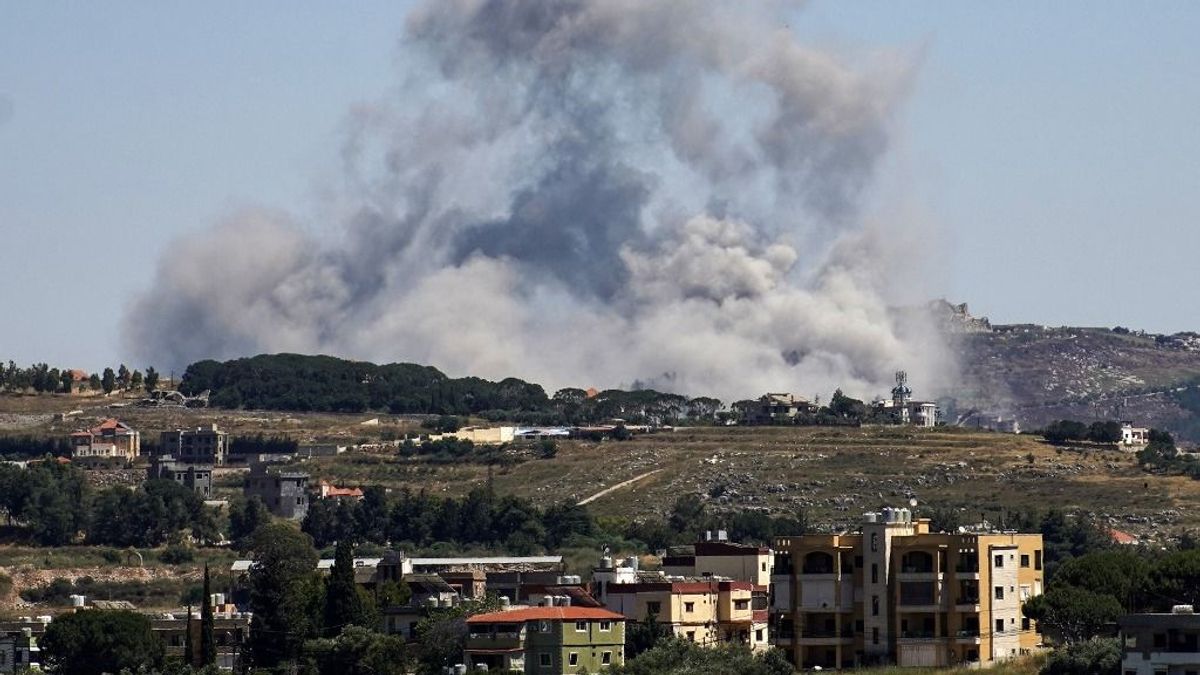
In the Middle East, a U.S.-brokered ceasefire between Israel and Lebanon has been established. However, the agreement sidelines the issue of Hezbollah and other groups ceding control of southern Lebanon to the Lebanese army. Lebanon, once a regional financial hub, now grapples with a million internally displaced people and persistent crises.
Israel's defense sector experienced substantial growth, with the value of its military industry products reaching $19.2 billion in 2025, a 30% increase from the previous year. The Israeli state accounts for half of these orders. Despite immense pressure from the U.S., Israel, and Gulf states, Iran has not capitulated.
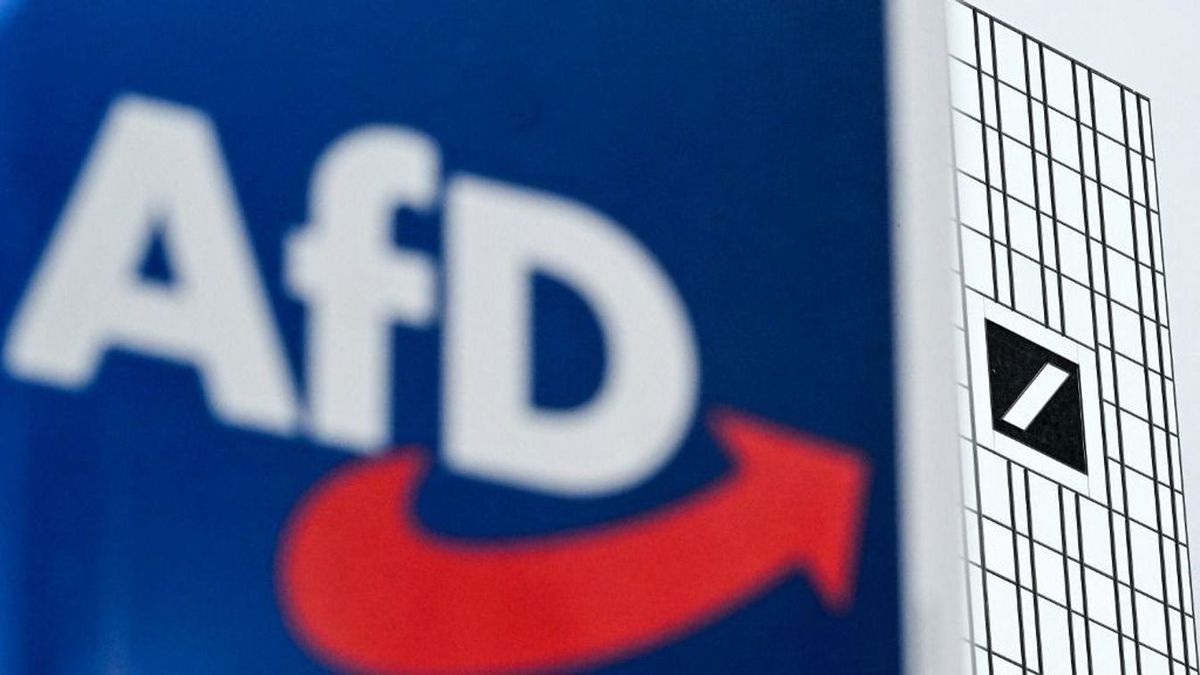
In domestic politics, Germany's Alternative for Germany (AfD) party maintains a lead in polls. The ruling CDU/CSU coalition faces internal disputes regarding the chancellor's standing, with Friedrich Merz at a historical low in popularity. A constructive vote of no confidence, requiring a successor to be chosen before the incumbent is removed, presents a complex path for leadership change.
Germany also suffered a significant reputational loss at the UN General Assembly, failing to secure a non-permanent seat on the Security Council, losing out to Austria and Portugal. Experts attribute this setback to Berlin's pro-Ukraine and pro-Israel policies. Furthermore, the delisting of Porsche from the DAX index signals challenges within the German automotive sector.
DistantNews Editorial
Originally published by Magyar Nemzet in Hungarian. Translated, summarized, and contextualized by our editorial team with added local perspective. Read our editorial standards.
More Stories

From Our Blog

Countries Without a Free Press: What You Need to Know

What Press Freedom Means for the News You Read

What Gets Lost (and Found) When News Is Translated

The Critical Role of Diaspora Media in Global News

What Travellers Should Know About Countries with Restricted Press
