


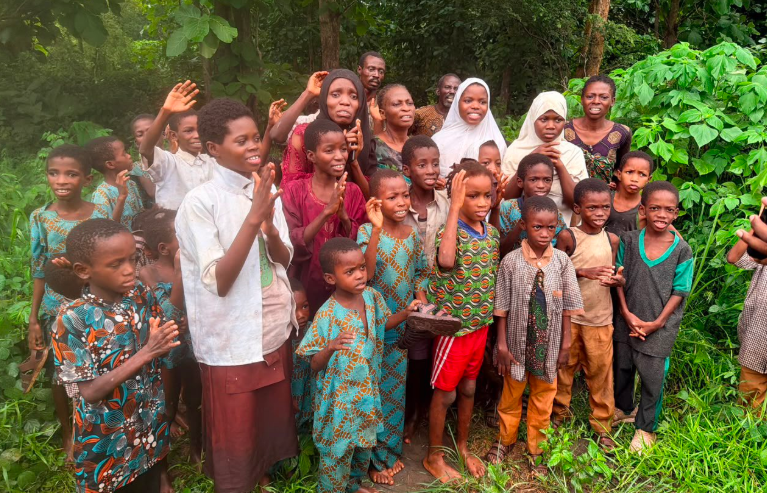
FREED OYO SCHOOL CHILDREN:Medical checks must include mental evaluation, NMA warns
Summarized and contextualized by DistantNews.
At a glance
In-depth
Named sources
Outcome reported
- Medical experts warn that released kidnap victims require both physical and psychological evaluations.
- Survivors may face long-term health issues like PTSD, infections, and malnutrition.
- The Nigerian Medical Association stresses the need for comprehensive care and rehabilitation programs.
The recent release of schoolchildren in Oyo after over 50 days in captivity has highlighted the often-underestimated physical and psychological trauma endured by kidnapping victims. While their return is a cause for celebration, medical professionals caution that freedom from captivity is merely the beginning of a long recovery process.
From a medical perspective, the period immediately after release from captivity is critical. Survivors of kidnapping require comprehensive medical and psychological assessment because many of the effects of captivity are not immediately obvious.
According to Professor Afekhide Ernest Omoti, President of the Nigerian Medical Association (NMA), survivors require immediate and thorough medical attention. This includes trauma-informed psychological care and long-term rehabilitation to address the hidden effects of their ordeal. Omoti warned that untreated injuries, infectious diseases, malnutrition, and post-traumatic stress disorder (PTSD) can persist long after victims regain their freedom.
Even if survivors appear physically well, they should never be assumed to have fully recovered. Psychological symptoms may emerge days or even weeks after release, making continued medical and mental health follow-up an essential part of their recovery.
Omoti emphasized the critical need for comprehensive medical and mental health assessments for all rescued kidnap victims. He noted that psychological symptoms might not surface immediately, making ongoing follow-up essential. Families are urged to watch for warning signs, and the government is called upon to establish coordinated rehabilitation programs. The NMA stresses that conditions during captivity, such as poor hygiene, inadequate food and water, and potential exposure to violence, can lead to a range of health complications, including infections and the exacerbation of chronic conditions if medication is missed.
Depending on the conditions under which they were held, survivors may also suffer dehydration, malnutrition, electrolyte imbalance, weight loss and nutritional deficiencies due to inadequate food and water.
The NMA also highlighted the particular vulnerability of survivors to sexual and gender-based violence, stressing the importance of prompt, confidential, and trauma-informed medical care in such cases. The association advocates for a national approach to victim support, ensuring that survivors receive the holistic care necessary for their full recovery.
There is also an increased risk of infectious diseases. Poor hygiene, overcrowding, insect bites and exposure to contaminated food and water may predispose victims to malaria, respiratory infections, gastrointestinal illnesses and skin infections.
DistantNews Editorial
Originally published by Vanguard. Summarized and contextualized by our editorial team with added local perspective. Read our editorial standards.
More Stories


From Our Blog

How the Same Story Looks Different in Different Countries

What Gets Lost (and Found) When News Is Translated

The Critical Role of Diaspora Media in Global News

What Travellers Should Know About Countries with Restricted Press

A Digital Nomad's Guide to Following Local News
