

From Mao to now: why China’s Communist Party is intent on control over the military
Summarized and contextualized by DistantNews.
At a glance
In-depth
Named sources
Context piece
- China's People's Liberation Army, approaching its centenary, highlights the Communist Party's enduring focus on military control.
- The party relies on Mao-era doctrines and anti-corruption campaigns to ensure absolute command over the armed forces.
- This principle, established by Mao Zedong, asserts that the party must always command the military, not the other way around.
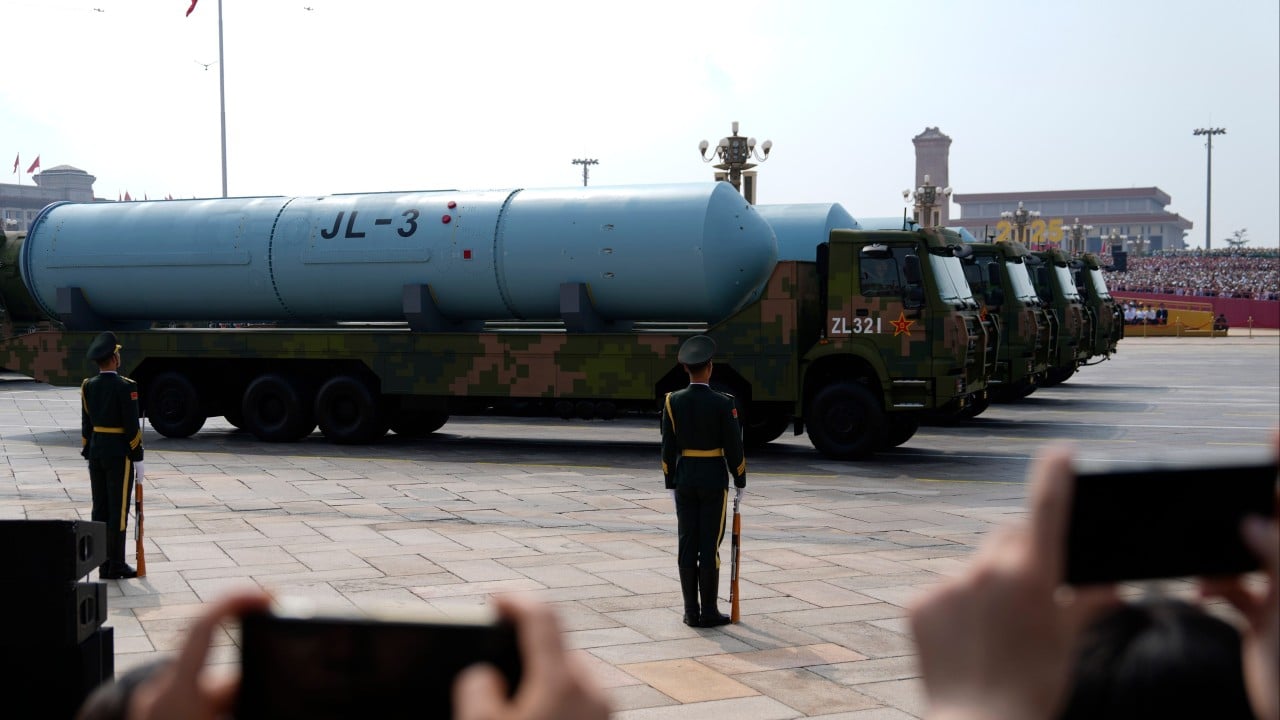
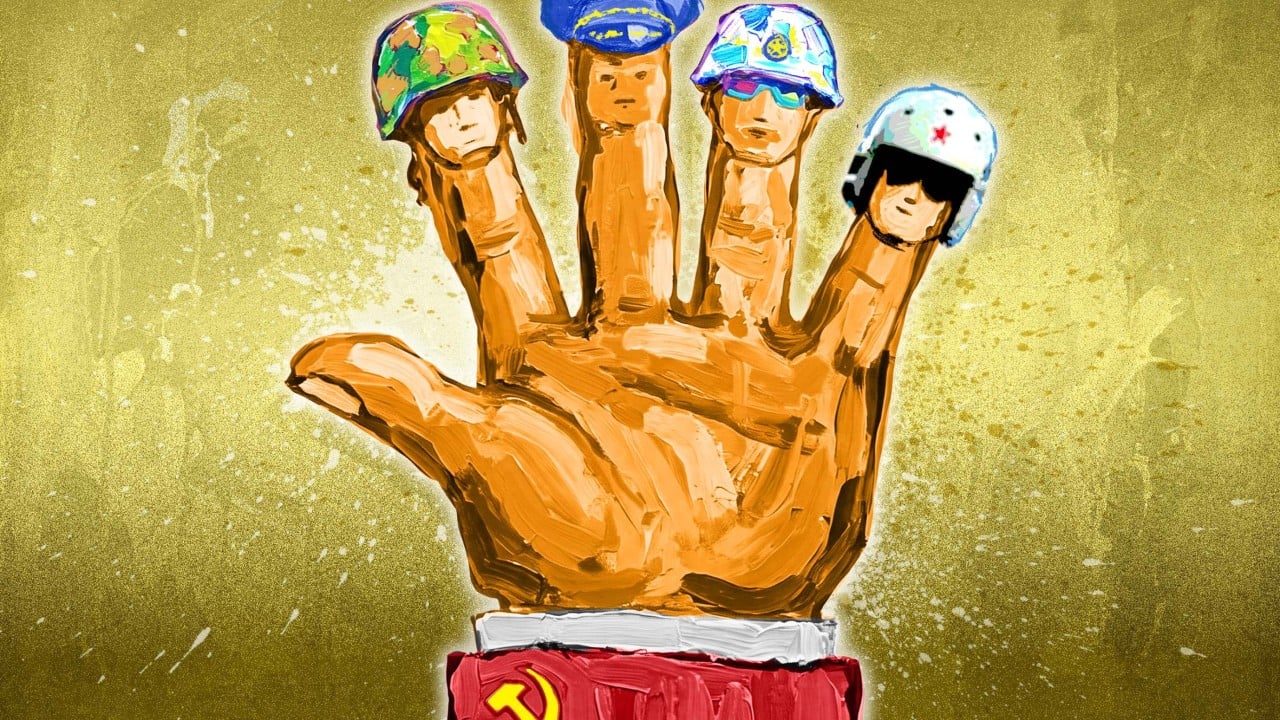
As China's People's Liberation Army (PLA) nears its 100th anniversary on August 1, its evolution underscores the Chinese Communist Party's unwavering commitment to maintaining absolute control over the military. The party employs a combination of historical doctrines and contemporary anti-corruption drives to solidify this command structure.
The foundation of this control was laid in December 1929 during a pivotal meeting in Gutian, Fujian province. Mao Zedong, then a revolutionary leader, defined the Red Army as an "armed body for carrying out the political tasks of the revolution." This meeting established party organizations throughout the military, a structure that proved crucial in the Communist victory of 1949.
Nearly a century later, Mao's principle – "the party commands the gun, and the gun must never be allowed to command the party" – remains the political bedrock of the PLA's relationship with the Communist Party. This doctrine ensures that the military's loyalty and actions are always aligned with the party's political objectives, reflecting a core tenet of Chinese governance.
Our principle is that the party commands the gun, and the gun must never be allowed to command the party.
DistantNews Editorial
Originally published by South China Morning Post. Summarized and contextualized by our editorial team with added local perspective. Read our editorial standards.
More Stories
From Our Blog

Countries Without a Free Press: What You Need to Know

What Press Freedom Means for the News You Read

What Gets Lost (and Found) When News Is Translated

The Critical Role of Diaspora Media in Global News

What Travellers Should Know About Countries with Restricted Press
