


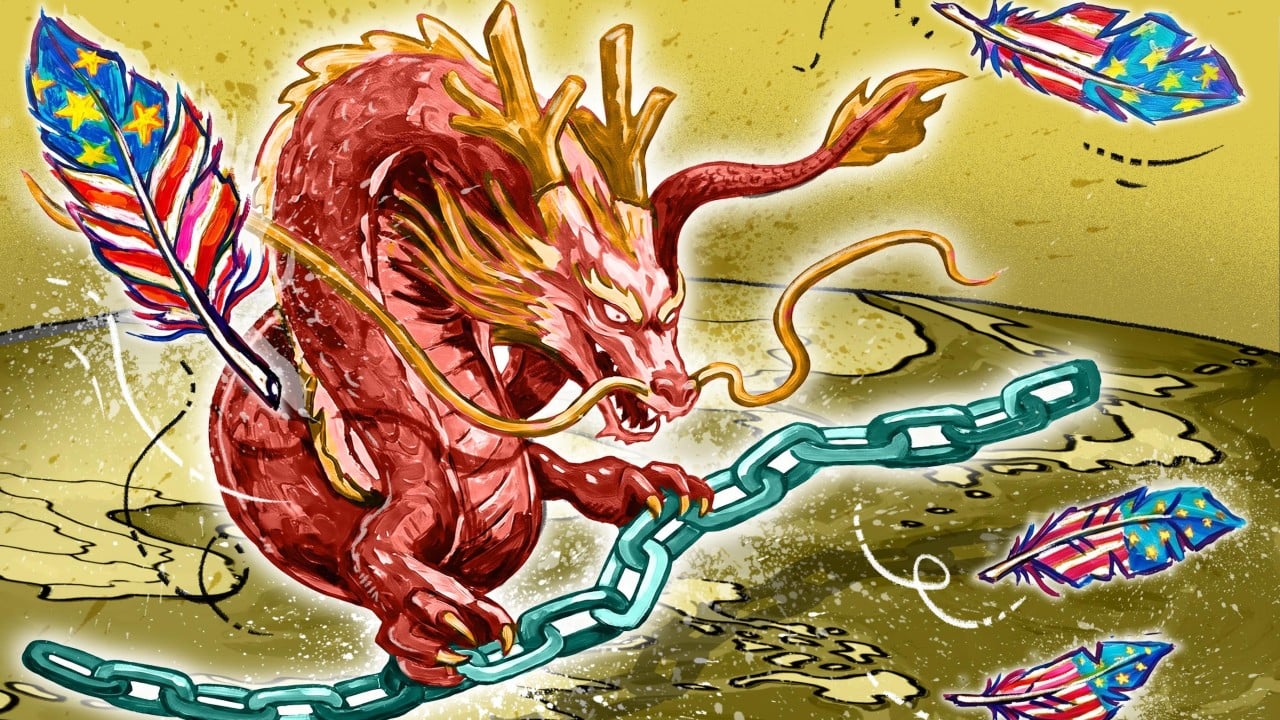
The Numbers Game: Why the US Is Losing Ground to China in the First Island Chain
Translated from English, summarized and contextualized by DistantNews.
At a glance
News
Sources not specified
Context piece
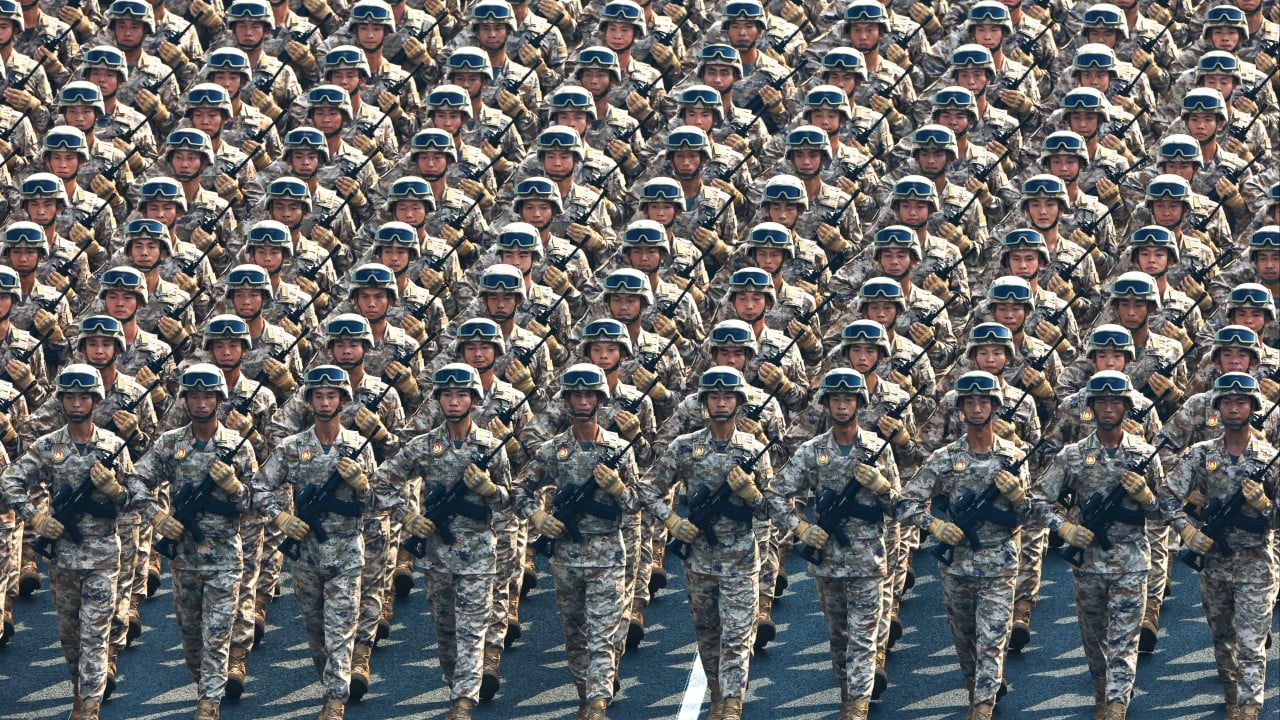
- China's People's Liberation Army is evolving as it approaches its 2027 centenary goals, focusing on military transformation.
- The PLA aims to pierce the US-led security architecture along the first island chain, extending from Japan to the Philippines.
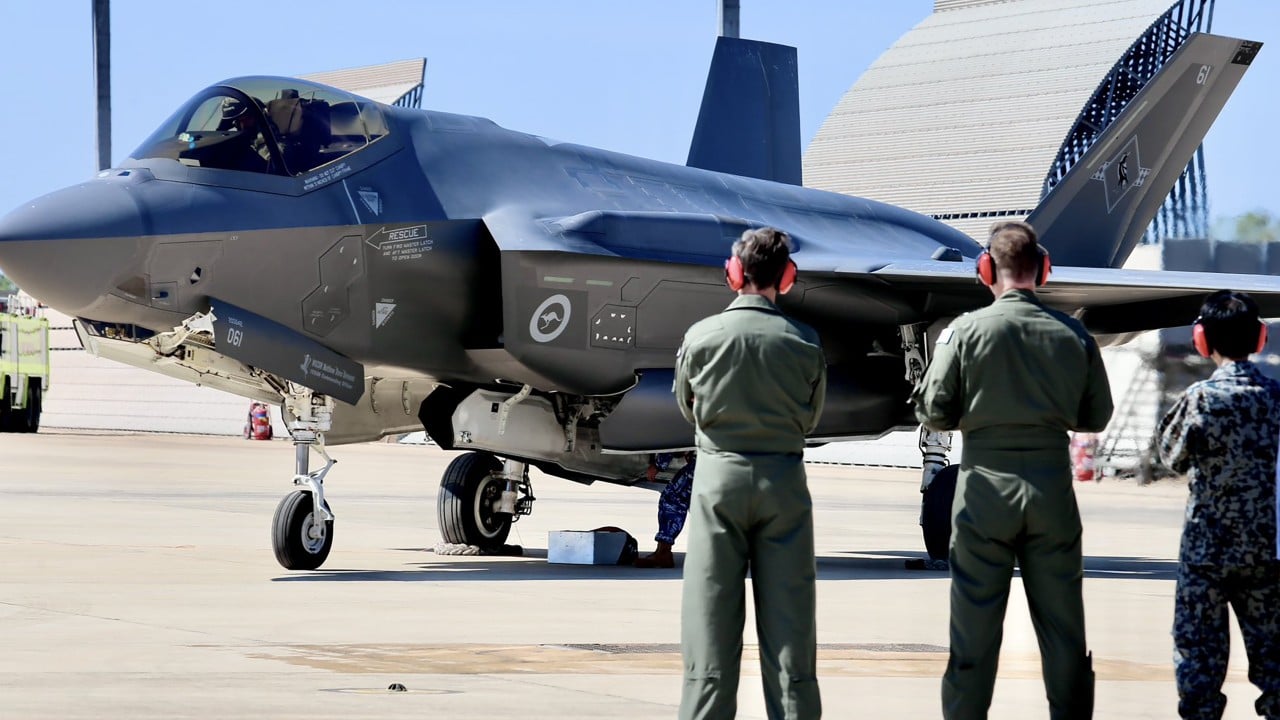
- The US and its allies are increasing their military presence and drills in the region to counter China's growing assertiveness.
As the People's Liberation Army (PLA) approaches its 2027 centenary goals, its ongoing evolution highlights China's military strategy. Beijing is pushing for the PLA to become a "world-class military" by mid-century, with a particular focus on overcoming the constraints of the first island chain. This arc of islands, stretching from Japan through Taiwan to the Philippines, underpins a US-aligned security system that China views as a barrier to its regional ambitions and a potential entry point for adversaries.
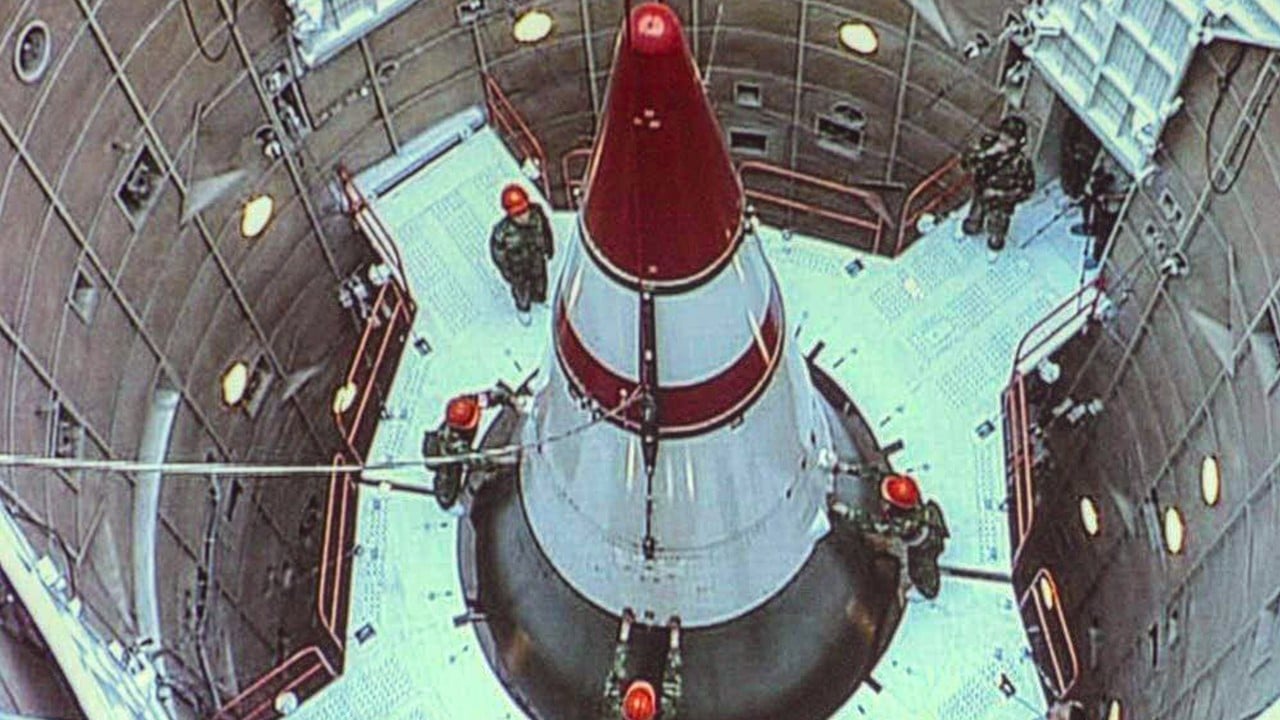
The first island chain has become a critical arena for military competition between China and the United States. The Pentagon's latest reports identify it as central to Beijing's regional strategy. A year before its 2027 deadline, the PLA has demonstrated progress in key areas. These include dual-carrier operations, large-scale arms production, and enhanced nuclear deterrence capabilities extending beyond the island chain.
In response, the US and its allies are bolstering their own defenses. This includes expanding American base access in the Philippines and conducting more sophisticated defense drills with regional partners. The escalating military competition in this strategically vital region underscores the growing tensions and the complex security dynamics at play.
DistantNews Editorial
Originally published by South China Morning Post in English. Translated, summarized, and contextualized by our editorial team with added local perspective. Read our editorial standards.
More Stories
From Our Blog

Countries Without a Free Press: What You Need to Know

What Press Freedom Means for the News You Read

What Gets Lost (and Found) When News Is Translated

The Critical Role of Diaspora Media in Global News

What Travellers Should Know About Countries with Restricted Press
