

From New York to Hobița: Cultural Strategist on Brâncuși and Art in an Algorithm-Dominated World
Translated from Romanian, summarized and contextualized by DistantNews.
At a glance
Interview
Sources not specified
Context piece
- Cultural strategist Timothée Verrecchia visited Brâncuși's birthplace in Romania, finding inspiration in the artist's work.
- Verrecchia discussed the role of art in an algorithm-dominated world at the Impact SEE event in Poznań.
- He emphasized that culture can foster connection and meaning by prioritizing human experience and emotion.
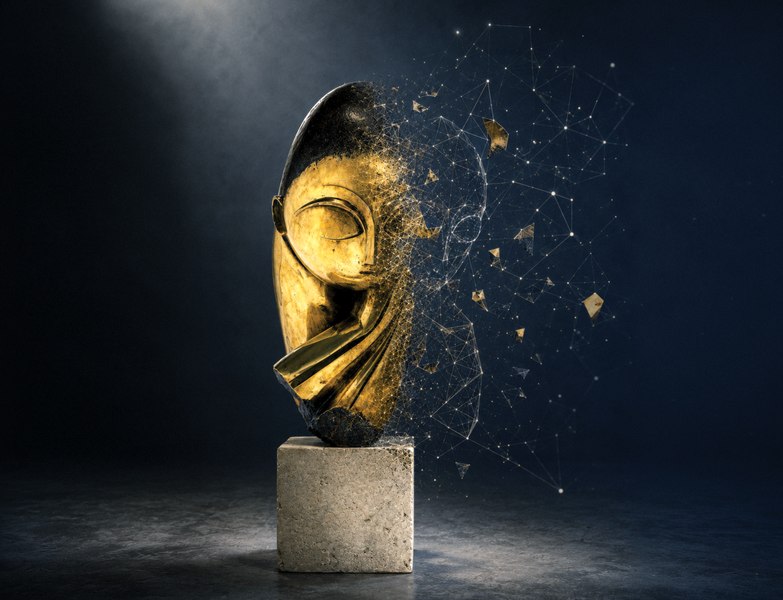
Cultural strategist Timothée Verrecchia found a profound connection to Constantin Brâncuși during a visit to the artist's birthplace in Hobița, Romania. Verrecchia, who has a two-decade career at the intersection of art, culture, and business, collaborating with brands like Apple and LVMH, sought to reinvigorate himself after a disappointing art fair in London. His journey to Hobița was a deliberate act to reconnect with art that deeply moves him.
Brâncuși brings me joy. His art evokes so many emotions in me – it makes us feel human, it makes us cry, laugh, feel alive. And Brâncuși truly makes me feel alive.
"Brâncuși brings me joy. His art evokes so many emotions in me – it makes us feel human, it makes us cry, laugh, feel alive. And Brâncuși truly makes me feel alive," Verrecchia shared in an exclusive interview with "Weekend Adevărul." He described his trip through Romania as a sensory experience, emphasizing the importance of feeling the country and its people while driving through various towns and villages.
Verrecchia's reflections on art's role in the modern world were highlighted at the Impact SEE event in Poznań, Poland. Alongside artist Jeff Koons, he participated in a dialogue titled "Art after the algorithm: surfaces, symbols and the real." Verrecchia addressed the challenges posed by algorithms, technology, and artificial intelligence, suggesting that while images and content can be generated instantly, culture can re-emerge as a vital space for human connection and meaning.
I had to see art that I love, that I am truly in love with. So I flew to Timișoara.
He argued that brands can play a relevant role in culture by centering people and creativity rather than just products. For Verrecchia, authenticity remains rooted in emotion and human experience. He expressed concern about the risk of artists and brands using culture merely as a tool for self-promotion, underscoring that true cultural engagement requires a focus on genuine human connection and artistic expression.
For me it is important to feel. When you travel in different areas, people tell you things.
DistantNews Editorial
Originally published by Adevărul in Romanian. Translated, summarized, and contextualized by our editorial team with added local perspective. Read our editorial standards.
More Stories
From Our Blog

What Gets Lost (and Found) When News Is Translated

The Critical Role of Diaspora Media in Global News

What Travellers Should Know About Countries with Restricted Press

A Digital Nomad's Guide to Following Local News

How the Same Story Looks Different in Different Countries
