


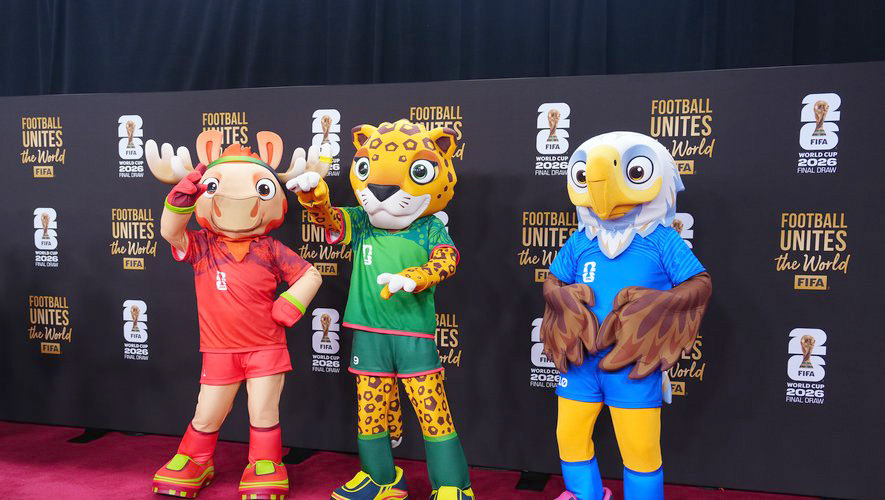
From Plush Toys to Digital Pixels: World Cup Mascots Reflect Globalization
Translated from French, summarized and contextualized by DistantNews.
At a glance
In-depth
Sources not specified
Context piece
- World Cup mascots have evolved from national symbols to purely marketing products, reflecting globalization in football.
- Early mascots like "World Cup Willie" (1966) embodied national stereotypes, while later ones like France's Footix (1998) became highly profitable marketing tools.
- The trend has shifted towards virtual and digital mascots, signaling a move away from tangible representations and towards a hyper-connected, data-driven era.
The history of World Cup mascots offers a fascinating lens through which to view the evolution of global society and the increasing commercialization of football. Over six decades, these official figures have transformed from traditional national symbols into primarily marketing, financial, and virtual products, mirroring the increasingly globalized nature of the sport.
The era of national identity and solidified stereotypes began in 1966 with England's "World Cup Willie," a lion cub sporting the Union Jack. This mascot embodied the prevailing national, patriarchal, and somewhat imperial identity of Great Britain at the time. Mexico followed in 1970 with Juanito, a boy wearing a large sombrero, and West Germany in 1974 with Tip and Tap, two children symbolizing friendship between the German blocs. These early mascots served as naive ambassadors, often relying on reassuring cultural clichés to humanize the host nation.
The financial aspect of mascot merchandise became a significant turning point, particularly with France's Footix in 1998. This blue rooster became the most profitable mascot of the 20th century, generating over 250 million euros in direct revenue through global licensing deals. Footix transcended being a political emblem of France's "Black-Blanc-Beur" slogan; it became a global product featured on millions of items. However, the commercialization also led to notable failures, such as Germany's 2006 mascot Goleo VI, a talking plush lion, which was a commercial fiasco, leading to the bankruptcy of its licensing company.
The 21st century marked a definitive break from the tangible and national with mascots like the Spheriks for the 2002 World Cup co-hosted by South Korea and Japan. These futuristic creatures, seemingly from a science fiction or video game universe, signaled that football was now targeting a hyper-connected generation. This shift reflects the ongoing effacement of borders in the digital age, where mascots are increasingly becoming pixels and virtual entities rather than physical plush toys.
DistantNews Editorial
Originally published by El Watan in French. Translated, summarized, and contextualized by our editorial team with added local perspective. Read our editorial standards.
More Stories



From Our Blog

What Gets Lost (and Found) When News Is Translated

The Critical Role of Diaspora Media in Global News

What Travellers Should Know About Countries with Restricted Press

A Digital Nomad's Guide to Following Local News

How the Same Story Looks Different in Different Countries
