


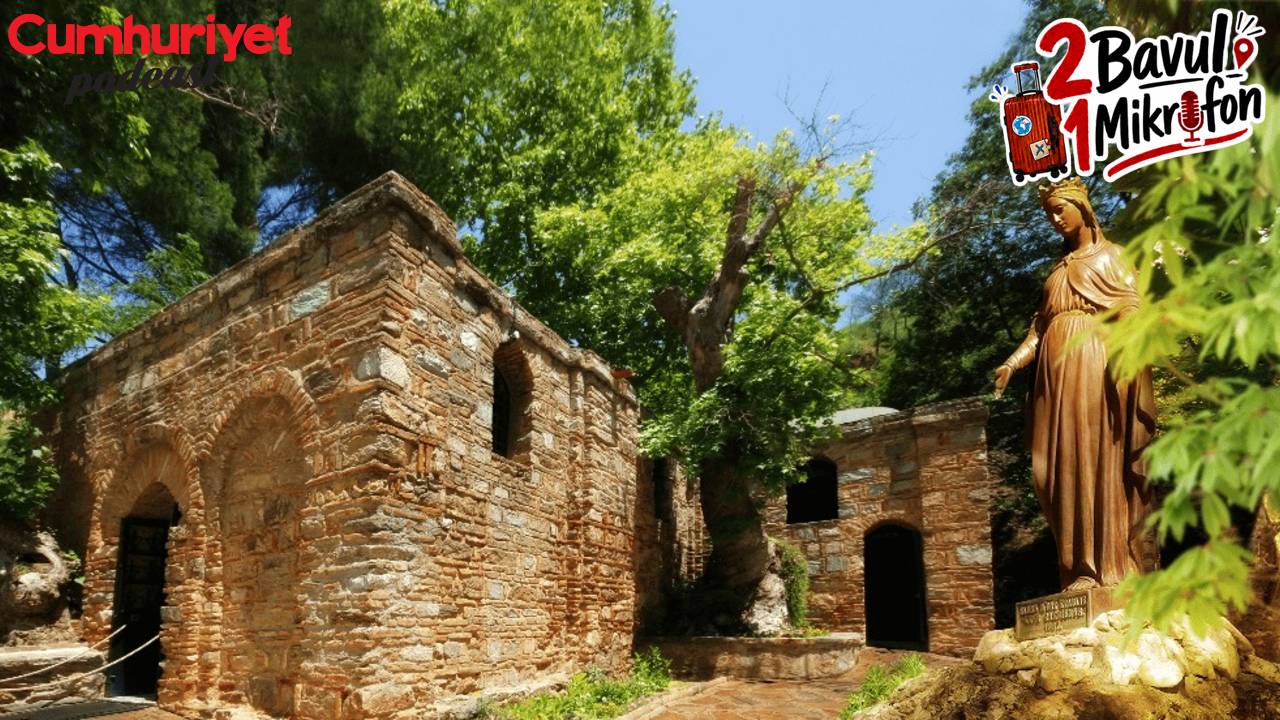
From the Silence of the Virgin Mary's House to the Shadow of Artemis: Selçuk's Hidden Routes Await Discovery
Translated from Turkish, summarized and contextualized by DistantNews.
At a glance
In-depth
Sources not specified
Context piece
- Selçuk, Turkey, offers a tranquil escape from crowded tourist spots, blending thousands of years of history with a multicultural heritage and fertile lands.
- The area boasts significant historical sites, including the remnants of the Temple of Artemis, one of the ancient world's wonders, and Ayasuluk Hill, featuring the St. John Basilica and Ayasuluk Castle.
- Other notable attractions include the 14th-century İsa Bey Mosque with its unique architecture and the ancient Byzantine Aqueducts, famously adorned by storks nesting on them each spring.
For those seeking an alternative to the bustling tourist routes of the Aegean, the district of Selçuk in Turkey presents a compelling case for slow living. It offers a rich tapestry woven from millennia of history, a legacy of multicultural coexistence, and the bounty of its fertile lands. Selçuk unfolds its stories layer by layer, harmonizing the grandeur of its past with the serenity of its present, creating a timeless Aegean character.
The region was once home to the Temple of Artemis, one of the Seven Wonders of the Ancient World. Although only foundational remnants and a single column remain, standing on the site evokes a powerful sense of history. This sacred space, dedicated to the ancient goddess of fertility, stands as a profound testament to Selçuk's historical significance as a spiritual and cultural hub. Visitors often find themselves imagining the splendor of millennia past while gazing at the solitary column amidst the greenery.
Dominating the landscape is Ayasuluk Hill, a site layered with the history of various civilizations. It is more than just a castle; it is a vibrant witness to Anatolia's multicultural fabric. The hill features the impressive ruins of the Basilica of St. John (Hagia Sophia), a structure of great importance to Christianity, standing alongside the Ayasuluk Castle. From its summit, the vast Aegean plain stretches out, carrying the wisdom of the past into the present.
Nestled at the foot of the hill is the İsa Bey Mosque, dating back to the 14th century. Built during the Aydınoğlu Beylik period, this unique structure is a prime example of Anatolian Turkish architecture, noted for its asymmetrical design, imposing columns repurposed from ancient structures, and a tranquil courtyard shaded by centuries-old trees. Nearby, the historic Byzantine Aqueducts, a living symbol of Selçuk, are known for the storks that nest atop them each spring. Further afield, on Bülbül Mountain, lies the House of the Virgin Mary, considered one of Christianity's most sacred pilgrimage sites, offering a cool sanctuary amidst dense forests and ancient olive trees.
DistantNews Editorial
Originally published by Cumhuriyet in Turkish. Translated, summarized, and contextualized by our editorial team with added local perspective. Read our editorial standards.
More Stories


From Our Blog

What Gets Lost (and Found) When News Is Translated

The Critical Role of Diaspora Media in Global News

What Travellers Should Know About Countries with Restricted Press

A Digital Nomad's Guide to Following Local News

How the Same Story Looks Different in Different Countries
