


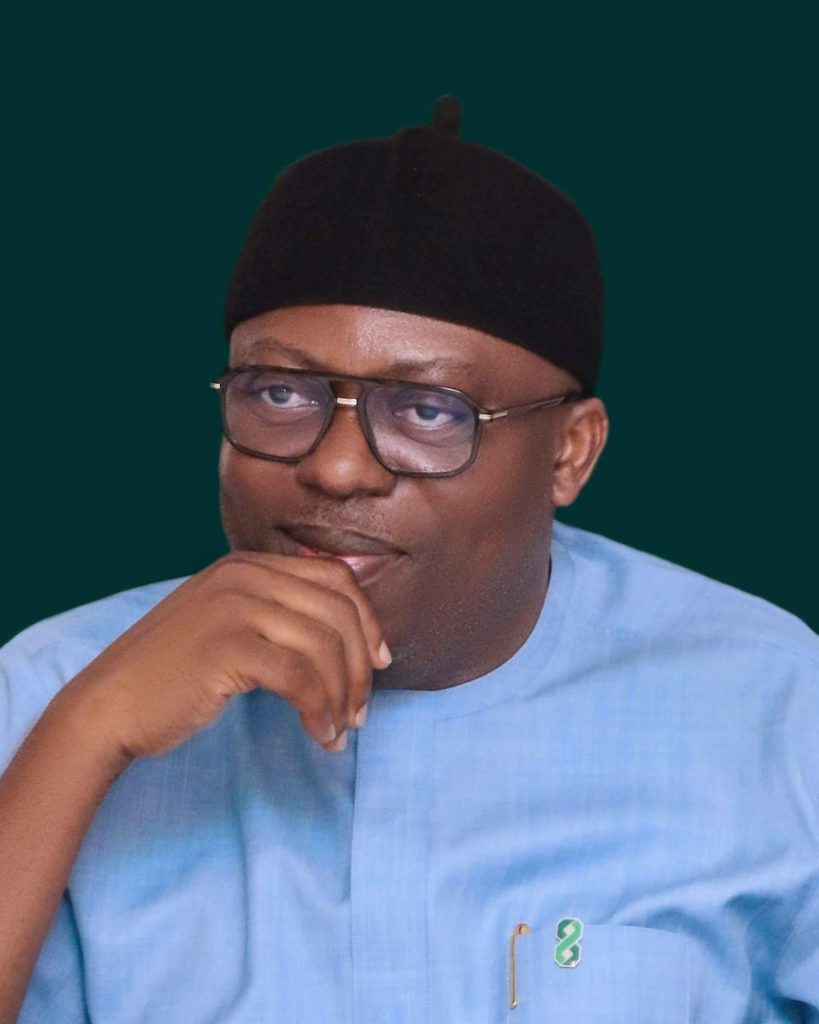
Fubara advocates shift to vocational, technical education
Summarized and contextualized by DistantNews.
At a glance
News
Named sources
Context piece
- Rivers State Governor Siminalayi Fubara advocates for a shift towards vocational and technical education in Nigeria.
- He argues that an overemphasis on paper qualifications contributes to unemployment and economic stagnation.
- Fubara commissioned infrastructure projects at Captain Elechi Amadi Polytechnic, stressing the need for practical skills for the 21st century.
Rivers State Governor Siminalayi Fubara is urging a significant pivot towards vocational and technical education within Nigeria's educational framework. He contends that the current system's excessive focus on academic certificates, at the expense of practical skills and technical expertise, is a primary driver of widespread unemployment and sluggish economic growth.
The Polytechnic system was designed in such a way that if you’re gifted with your hands; if you’re a technical person, you can go there and learn more, build your skills so that you can add value to our society.
Speaking at the commissioning of three major infrastructure projects at the Captain Elechi Amadi Polytechnic in Rumuola, Fubara emphasized that preparing Nigerian youth for the demands of the 21st century requires a deliberate realignment of the curriculum. This shift, he believes, should prioritize vocational and technical training to foster self-employment and create job opportunities.
Fubara recalled Nigeria's 6-3-3-4 education system, introduced in the 1980s, which aimed to equip students with practical skills at the secondary level. He lamented that the nation has since strayed from this vision, leading to a generation more focused on degrees than on acquiring marketable competencies. "The Polytechnic system was designed in such a way that if you’re gifted with your hands; if you’re a technical person, you can go there and learn more, build your skills so that you can add value to our society," he stated.
But you know that somehow, our society doesn’t attach much importance to those level of people. So even when you know that you can’t survive the rigours of academic work, you struggle to complete the six years, go into a university and come out with a degree that is not useful. That is part of the problem we are having in our society.
The governor expressed concern that society often undervalues individuals with technical skills, pushing them towards university degrees that may not be relevant to the labor market. He highlighted the Entrepreneurship Centre at the polytechnic as an initiative designed to equip young people with the necessary skills to become employers, rather than job seekers. Fubara reaffirmed his administration's commitment to developmental projects that create opportunities and address societal challenges, focusing on initiatives that directly impact people's lives and foster advancement.
So for us as a government, what is important to us is not just about embarking on projects but executing projects that will touch the lives of the people; projects that will solve problems and projects that will bring advancement to our lives.
DistantNews Editorial
Originally published by Vanguard. Summarized and contextualized by our editorial team with added local perspective. Read our editorial standards.
More Stories


From Our Blog

How the Same Story Looks Different in Different Countries

What Gets Lost (and Found) When News Is Translated

The Critical Role of Diaspora Media in Global News

What Travellers Should Know About Countries with Restricted Press

A Digital Nomad's Guide to Following Local News
