


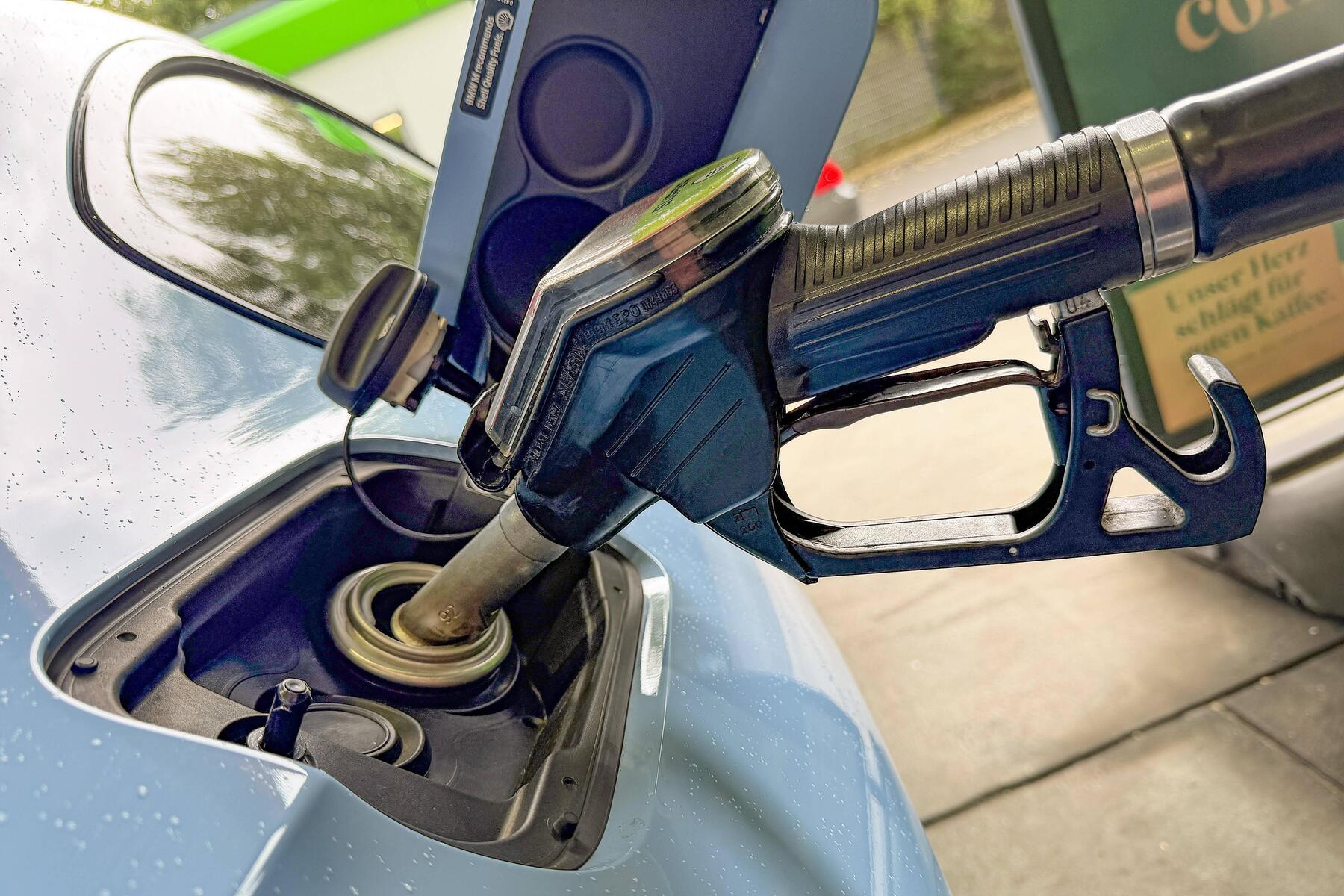
Fuel price brake extended again without margin limit
Translated from German, summarized and contextualized by DistantNews.
At a glance
News
From a news agency
New plan
- Austria will extend its fuel price brake until the end of August, lowering mineral oil tax by 1.9 cents per liter.
- The measure aims to combat inflation, with the government emphasizing its effectiveness.
- While the price brake continues, a margin limit for gas stations remains suspended, though mandatory pass-through of lower international prices is enforced.
Austria's government will continue its fuel price brake through August, reducing the mineral oil tax by 1.9 cents per liter. This measure is part of the ongoing effort to mitigate inflation's impact on consumers.
The fuel price brake remains an important instrument of the federal government in the fight against inflation.
Minister of Economy Wolfgang Hattmannsdorfer (ÖVP) stated that current analyses from E-Control show the price brake is working. He added that international price decreases have been passed on to drivers even more significantly than required. This extension aims to provide continued relief at the pump.
However, a proposed limit on gas station profit margins will remain suspended. Despite this, the government insists that gas stations must continue to pass on any price reductions from international markets to consumers. This ensures that falling global prices translate into lower costs for Austrian drivers.
My principle is always the same: every exception needs an expiry date at some point.
SPÖ State Secretary Michaela Schmidt called the fuel price brake a "vital instrument" in the fight against rising costs. She indicated that further measures, including a potential legal limit on profit margins, could be implemented if the situation worsens. NEOS State Secretary Sepp Schellhorn, while acknowledging the need for crisis tools, emphasized that long-term price stability requires increased competition, faster approvals, and expanded domestic energy production, rather than relying solely on short-term measures.
We will not achieve permanently stable prices through short-term crisis instruments, but through more competition, faster approvals, and the expansion of domestic energy production.
DistantNews Editorial
Originally published by Die Presse in German. Translated, summarized, and contextualized by our editorial team with added local perspective. Read our editorial standards.
More Stories

From Our Blog

What Gets Lost (and Found) When News Is Translated

The Critical Role of Diaspora Media in Global News

What Travellers Should Know About Countries with Restricted Press

A Digital Nomad's Guide to Following Local News

How the Same Story Looks Different in Different Countries
