


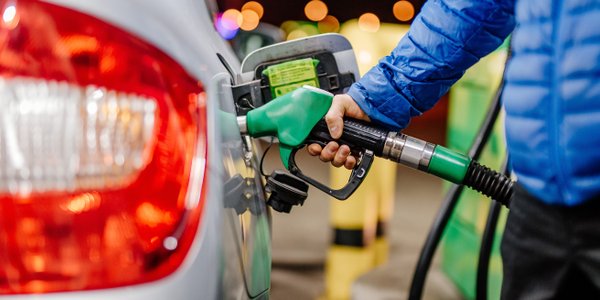
Fuel price relief ends in Poland, but drivers can still cut costs with care
Translated from Polish and summarized by DistantNews. Read the original for the full story.
At a glance
Explainer
Named sources
Outcome reported
- Poland’s Ceny Paliw Niżej fuel-price programme ended on Aug. 31, contributing to higher prices at petrol stations from Sept. 1.
- Economical driving, proper tire pressure, lighter luggage and careful use of air conditioning can reduce fuel consumption.
- Driving at very low engine speeds may save fuel, but it can increase the risk of costly engine damage, especially in older cars with manual transmissions.
With Poland’s Ceny Paliw Niżej fuel-price programme ending on Aug. 31, drivers are looking for ways to reduce fuel costs after prices rose at stations from Sept. 1.
One approach is economical driving. Changing into a higher gear soon after moving off, keeping engine speeds as low as practical, avoiding sudden acceleration and braking, adapting speed to road conditions, and using engine braking can reduce fuel consumption by as much as 25% to 30%, according to the guidance cited by Rzeczpospolita.
Vehicle condition also affects fuel use. Drivers should check tire pressure regularly because underinflated tires increase consumption. Wider-than-standard tires can have the same effect. Removing unnecessary items from the trunk and taking off an unused roof rack can also reduce the load on the car. Sensible use of air conditioning, regular oil, filter and spark-plug changes, and quick attention to faults can help keep consumption down.
Low engine speeds require caution, however. The approach generally suits newer cars with automatic transmissions better than older vehicles. Manual cars give drivers more control over engine speed and may offer greater potential to reduce consumption, but they can also be more vulnerable to breakdowns when driven at very low revs. Drivers should watch for irregularities and respond quickly before they develop into serious faults.
About this summary
Originally published by Rzeczpospolita in Polish. Translated, summarized, and contextualized automatically by DistantNews, with a note on how the source frames the story. Not individually reviewed before publishing. How this works.
More Stories


From Our Blog

What Gets Lost (and Found) When News Is Translated

The Critical Role of Diaspora Media in Global News

What Travellers Should Know About Countries with Restricted Press

A Digital Nomad's Guide to Following Local News

How the Same Story Looks Different in Different Countries
